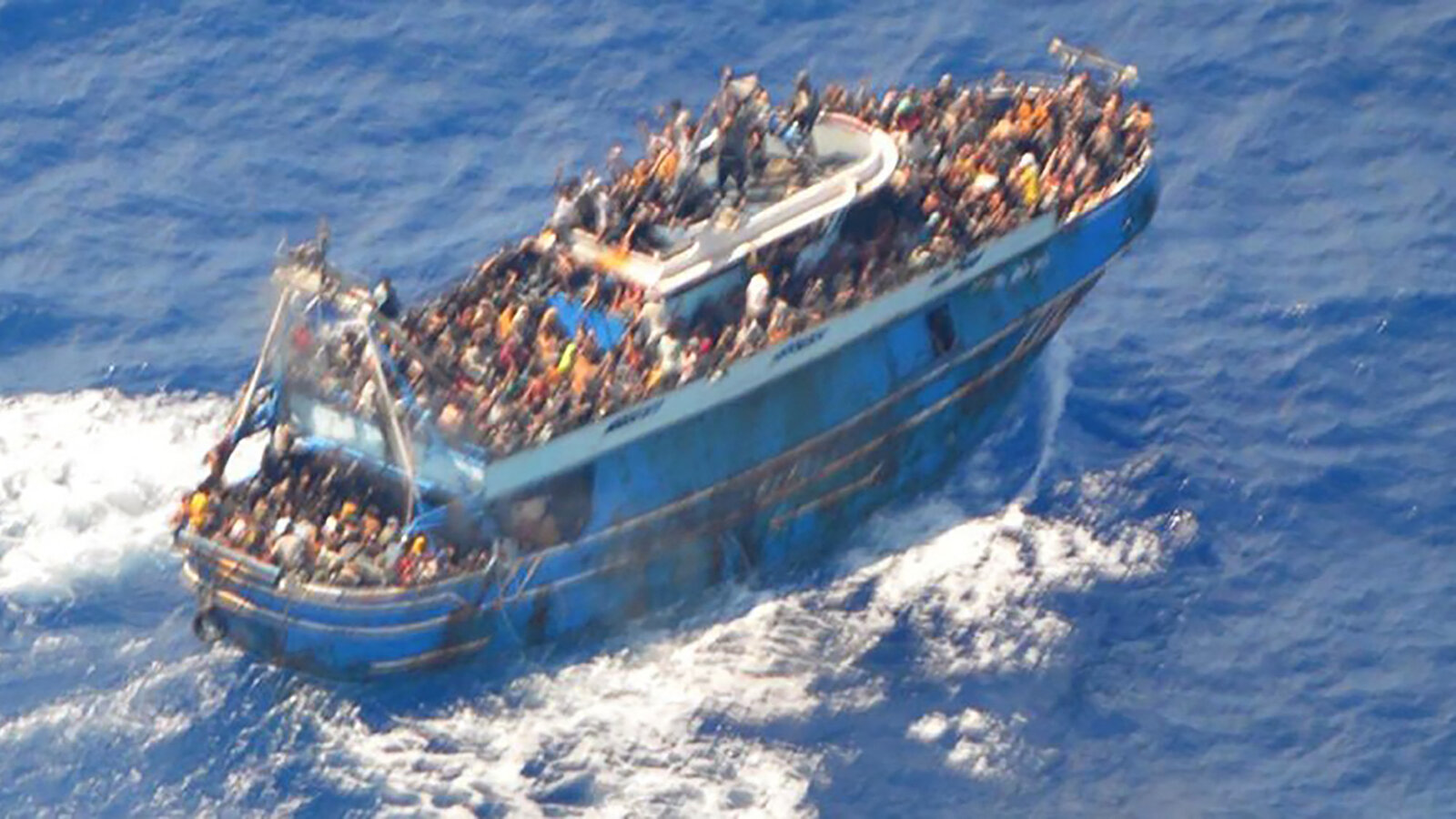
Eighteen migrants drowned while aboard a rubber boat in the Aegean Sea off the coast of Bodrum, Turkey, according to Turkish coast guard reports. The incident occurred as these migrants attempted to reach one of the Greek islands amid a surge in illegal migration attempts across the sea.
This incident is one of many tragic occurrences witnessed in the Aegean Sea, where numerous migrants seek to escape difficult economic and political conditions in their home countries. In recent years, this region has become a major departure point for migrants trying to reach Europe.
Details of the Incident
Reports indicate that the migrants' boat had set off from the Turkish coast but capsized due to harsh maritime conditions. Rescue teams from the Turkish coast guard were dispatched to the scene, where the bodies of the victims were recovered. This incident underscores the dangers faced by migrants on their perilous journey across the sea.
It is worth noting that the Turkish coast guard had previously announced an increase in the number of illegal migration attempts across the Aegean Sea, raising concerns about the safety of migrants. Several similar incidents have been recorded in recent months, reflecting the ongoing challenges faced by authorities in addressing this issue.
Background & Context
Historically, the Aegean Sea region has witnessed a significant influx of migrants, particularly from countries such as Syria, Iraq, and Afghanistan. Many of these migrants flee armed conflicts and persecution, hoping to find a better life in Europe. However, the journey across the sea is fraught with dangers, as migrants risk drowning or exploitation by human traffickers.
In recent years, European governments have implemented stricter measures to curb the flow of migrants, which has increased the risks faced by these individuals. Despite these challenges, many migrants continue their attempts to reach Europe, highlighting the urgent need for humanitarian solutions to this crisis.
Impact & Consequences
This incident serves as a tragic reminder of the risks faced by migrants at sea and may provoke reactions from human rights organizations and the international community. Such incidents are likely to increase pressure on European governments to provide humanitarian solutions for migrants, rather than focusing solely on border control measures.
Additionally, these incidents may exacerbate humanitarian conditions in conflict areas, as more individuals seek to escape dire situations. It is crucial for concerned nations to collaborate in providing support and assistance to migrants, rather than leaving them to face dangers alone.
Regional Significance
Arab countries are directly affected by the migration crisis, as many migrants hail from Arab nations suffering from conflicts and economic crises. These incidents highlight the need to address the root causes of migration, such as conflicts and poverty, to reduce the flow of migrants in the future.
Moreover, these incidents may lead to increased tensions between European and Arab countries, as European governments seek to impose restrictions on migration. It is important for Arab nations to work together to provide sustainable solutions to this issue, rather than leaving migrants to face their fate alone.
In conclusion, the tragedy of migrants drowning in the Aegean Sea remains a painful reminder of the risks many face in their pursuit of a better life. Genuine international cooperation is required to address this ongoing humanitarian crisis.