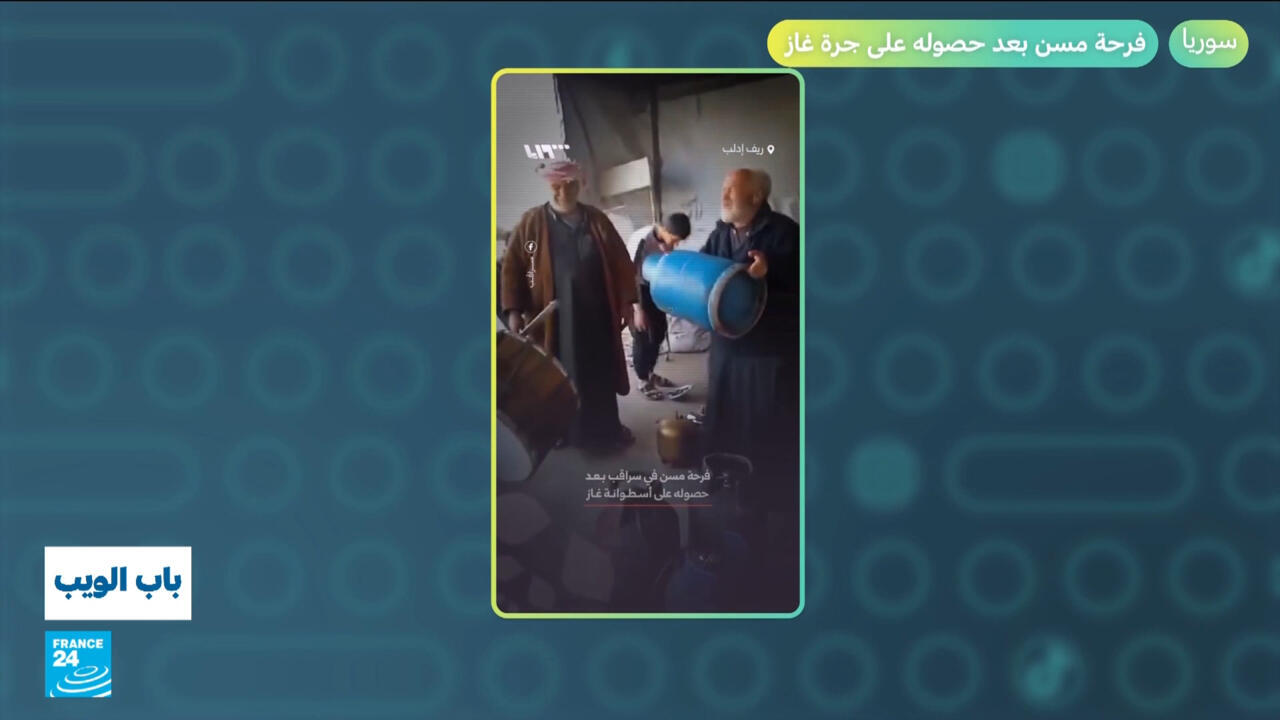
The joy of an elderly Syrian man after receiving a gas cylinder has sparked widespread debate in the country, reflecting the struggles of citizens amid the ongoing energy crisis. This incident highlights the significant difficulties Syrians face in securing their basic needs, shedding light on the harsh living conditions endured by the Syrian people.
In a video that circulated on social media, the elderly man expresses his overwhelming happiness after receiving the gas cylinder, which elicited mixed reactions from internet users. Some viewed this joy as a symbol of hope in harsh circumstances, while others saw it as a painful reflection of the reality faced by citizens in Syria.
Details of the Incident
This incident comes at a time when Syria is experiencing a severe gas shortage, with citizens struggling to obtain this essential commodity. With rising prices and deteriorating economic conditions, the gas cylinder has become a symbol of daily suffering. Reports indicate that many Syrian families are struggling to secure their basic needs, exacerbating their hardships.
Complaints from citizens about the difficulty of obtaining gas are increasing, as they are forced to wait for long periods in lengthy queues, adding to their psychological stress. Under these circumstances, the gas cylinder has come to represent more than just a means of cooking; it symbolizes hope for a better life.
Background & Context
The roots of the gas crisis in Syria can be traced back to the long years of war that have significantly impacted the country's infrastructure. Many vital facilities, including gas stations, have been destroyed, worsening the crisis. Additionally, the economic sanctions imposed on the country have contributed to the deterioration of the economic situation and increased the suffering of citizens.
The gas crisis is part of a larger crisis that includes shortages of food, medicine, and electricity, complicating living conditions further. Syrians are continuously facing rising prices, making the securing of basic necessities a daily challenge.
Impact & Consequences
The gas crisis significantly affects citizens' lives, forcing many to seek unhealthy alternatives for cooking, exposing them to health risks. The gas shortage also impacts education, as students are compelled to study under unsuitable conditions due to power outages and a lack of heating resources.
Calls from civil society organizations and local governments to improve the situation are increasing, but so far, no tangible progress has been made. Many believe that root solutions require international efforts and comprehensive reforms in the country.
Regional Significance
The gas crisis in Syria exemplifies the challenges faced by many Arab countries amid economic and political crises. As crises escalate, it becomes essential to enhance Arab cooperation to find effective solutions to shared challenges.
What is happening in Syria reflects a bitter reality experienced by many Arabs, where humanitarian and economic crises are on the rise. There must be joint efforts to alleviate citizens' suffering and improve living conditions in the region.
In conclusion, the joy of the elderly Syrian man after receiving the gas cylinder remains a symbol of both suffering and hope. This moment reminds us of the importance of working to improve the living conditions of citizens in Syria and other Arab countries, where the hope for a better tomorrow unites everyone.