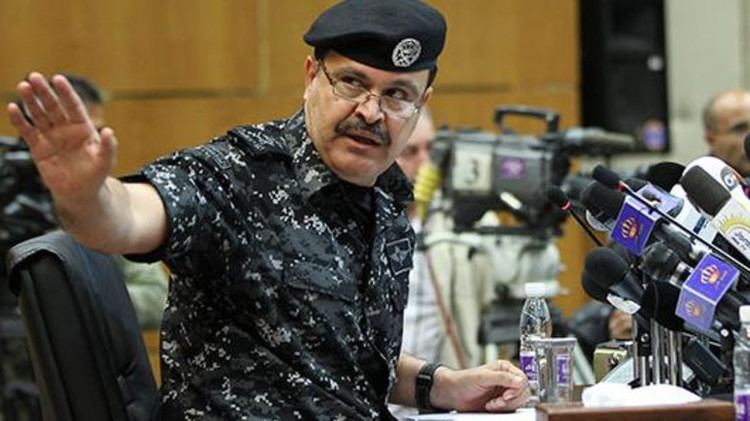
Hazem Al-Majali has been elected as the head of the Integrity and Anti-Corruption Council in Jordan, which reflects the Jordanian government's commitment to combat corruption and enhance transparency in its institutions. This decision comes at a time when there is rising public pressure on the government to improve levels of integrity and accountability.
Al-Majali is considered a prominent figure in the fight against corruption, possessing extensive experience in this field, making him well-qualified to lead the council in the upcoming phase. He was elected during a council meeting, where he was unanimously voted into the position.
Event Details
Hazem Al-Majali, who has held several positions in the Jordanian government, was chosen to be the head of the Integrity and Anti-Corruption Council following a democratic election process. In his statements after his election, Al-Majali emphasized the importance of enhancing transparency and accountability, noting that the council will work on implementing new strategies to combat corruption.
He also mentioned that the council will rely on cooperation with international and local institutions to strengthen its capabilities in combating corruption. Al-Majali affirmed that the upcoming phase will witness intensified efforts to fight corruption across all sectors.
Background & Context
The Integrity and Anti-Corruption Council was established in Jordan in 2006 as part of the government's efforts to promote integrity and transparency. The council has faced numerous challenges in recent years, including complex corruption cases that have affected citizens' trust in government institutions.
This election comes amid difficult political and economic conditions, as citizens seek to improve public services and combat corruption, which negatively impacts development. There have been increasing public calls for genuine reforms in this area.
Impact & Consequences
Al-Majali's election could have positive implications for anti-corruption efforts in Jordan, as he is expected to enhance trust between citizens and government bodies. Additionally, having an experienced figure in this position may contribute to improving the council's image and increasing its effectiveness.
The council is expected to focus in the upcoming period on major corruption cases and provide regular reports to citizens about its progress in this area. Furthermore, enhancing transparency may lead to an improved business environment in Jordan, attracting foreign investments.
Regional Significance
Al-Majali's success in his role is seen as a model for other Arab countries facing similar challenges in the fight against corruption. Numerous studies have shown that corruption negatively impacts economic and social development in the region, necessitating effective measures.
If Al-Majali can achieve tangible results, it may encourage other countries to take similar steps to promote integrity and transparency in their institutions. Additionally, regional cooperation in this area could contribute to achieving better outcomes.
In conclusion, Hazem Al-Majali's election as head of the Integrity and Anti-Corruption Council represents a positive step towards enhancing anti-corruption efforts in Jordan and reflects the government's commitment to achieving transparency and accountability.