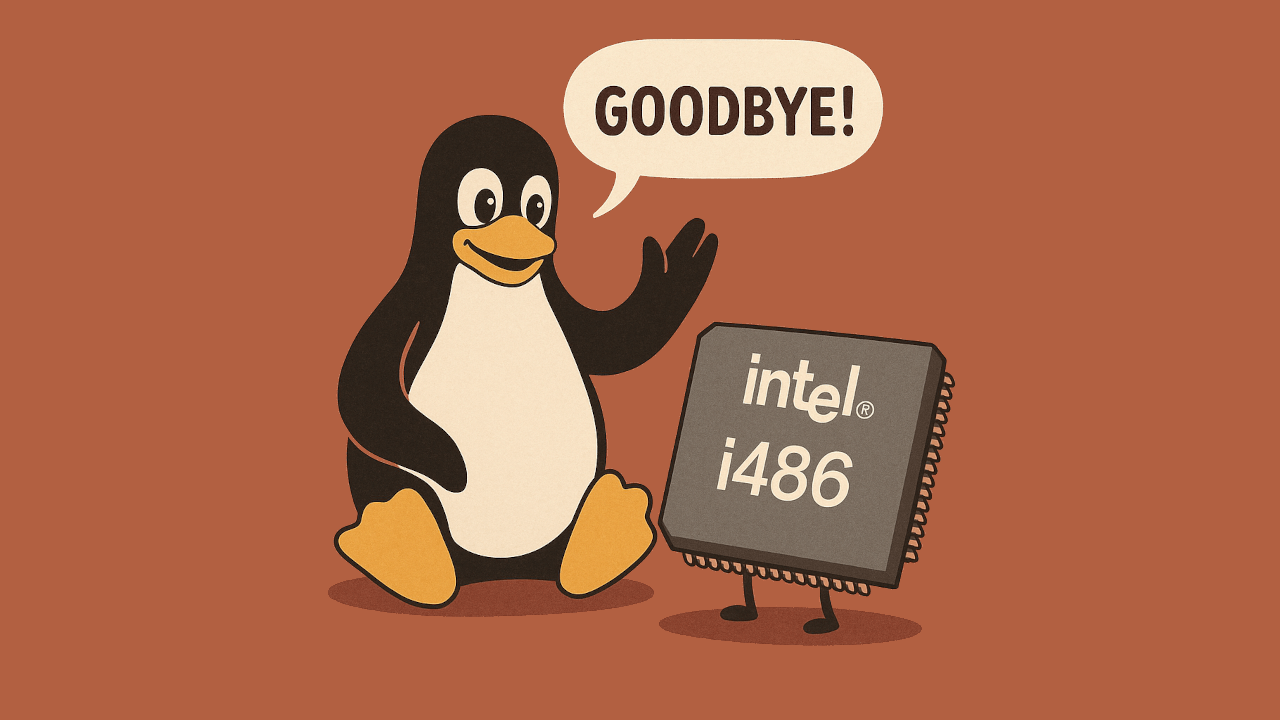
Linux operating system developers have made the decision to discontinue support for the Intel 486 processor, considering any time invested in this support as wasted. This decision is part of their continuous efforts to improve the system's performance and develop it in line with modern requirements.
The Intel 486 processors are from an older generation that was launched in the late 1980s and played a significant role in the history of computing. However, rapid technological advancements have rendered these processors unsuitable for the demands of modern software.
Details of the Decision
Linux developers reported that support for the 486 processor has become a burden on system development, as most current users rely on much newer processors. They noted that the time spent maintaining this support could be better utilized in enhancing new features and developing more effective tools.
This move comes after years of discussions among developers regarding the importance of maintaining support for older hardware, with statistics showing that the usage rate of 486 processors has significantly declined, making continued support impractical.
Background & Context
The Linux system was established in the early 1990s and has since become one of the most widely used systems globally, particularly in internet servers. The system has undergone significant developments over the years, with new features and continuous improvements added to meet user needs.
In recent years, the focus on enhancing performance and efficiency has become essential, especially with the increasing use of cloud computing and artificial intelligence technologies. Therefore, the removal of support for older processors like the Intel 486 is considered a natural step in this direction.
Impact & Consequences
This decision is expected to improve the overall performance of the Linux system, as it will allow developers to focus on enhancing new features and developing more effective tools. Additionally, this decision may encourage more users to upgrade to newer devices, thereby promoting the use of modern technologies.
Furthermore, removing support for older processors may reduce complexities in system development, making it easier for developers to work on new improvements without worrying about system compatibility with outdated hardware.
Regional Significance
This step is significant as it reflects the trend towards improving performance and efficiency in the Linux system, contributing to meeting modern user needs. It also highlights the importance of keeping pace with technological advancements in the Arab tech sector.
In conclusion, the discontinuation of support for the Intel 486 processor signifies a commitment to innovation and progress within the Linux community, ensuring that the system remains relevant and effective in today's rapidly evolving technological landscape.