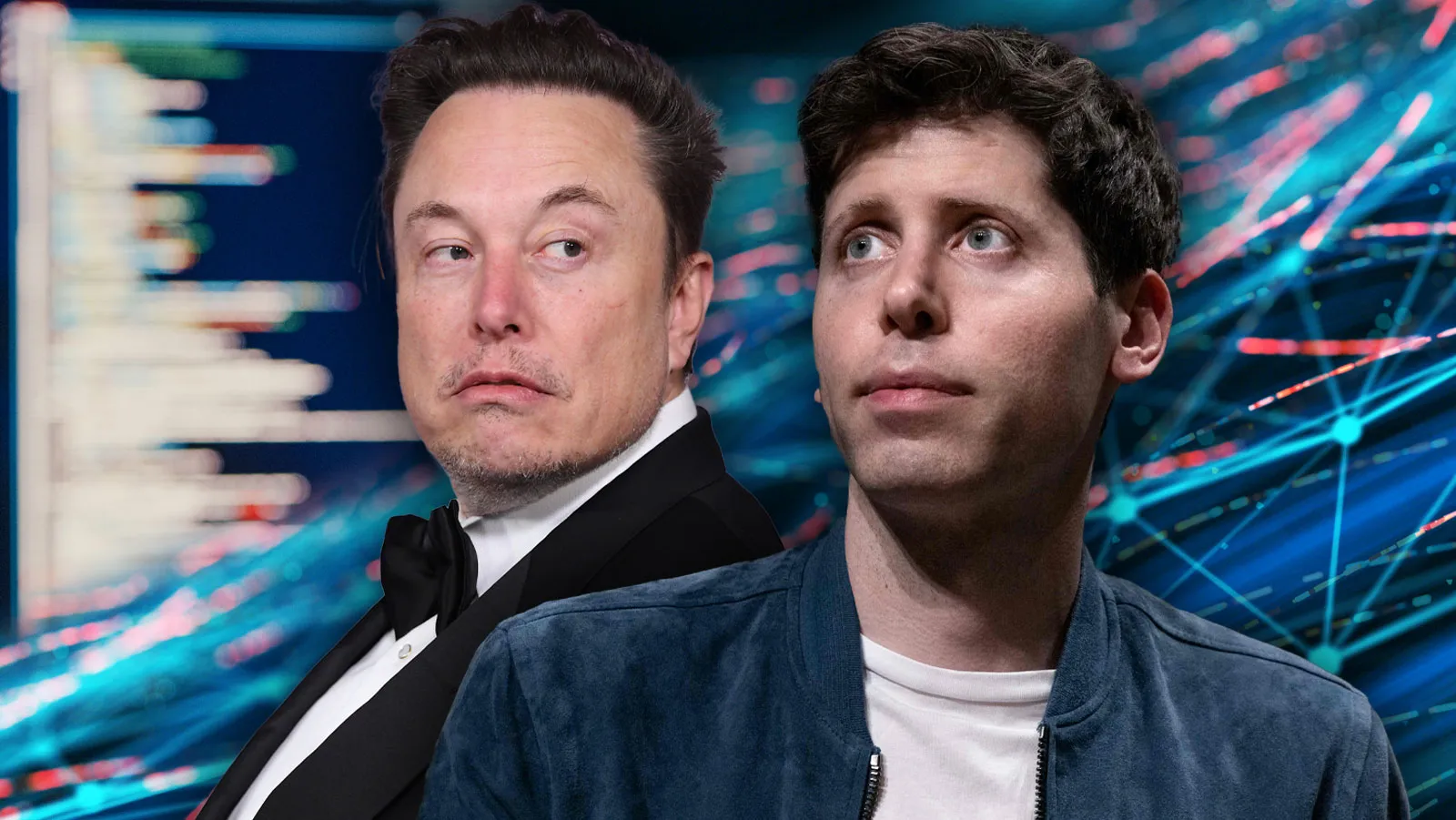
In a dramatic turn of events, American billionaire Elon Musk, founder of OpenAI, accused its CEO Sam Altman of "seizing a charitable organization" during a court session in California regarding the company's transition from a non-profit entity to a profit-driven model valued at around $850 billion. This transformation has sparked widespread debate about the original goals of the organization.
During the opening arguments in the lawsuit presented before the court, Musk's attorney, Stephen Molo, pointed out that this transition contradicts the fundamental purpose for which the organization was established, which is to develop artificial intelligence for the benefit of humanity. Molo made a striking analogy, stating that it is akin to a museum selling its paintings for profit.
Details of the Case
Musk's lawsuit is based on the claim that the American billionaire provided funding estimated at around $38 million on the condition that the organization would remain non-profit. He directly accused Sam Altman and Greg Brockman, the company's president, of gaining personal benefits from this change in the organization's identity. For its part, OpenAI denied these allegations, affirming that there were no binding commitments to maintain its non-profit status.
In a related context, the company considered the lawsuit to be part of competitive dynamics, especially after Musk launched his own AI venture named xAI. The outcomes of the trial, which is expected to last for four weeks, could significantly impact the future of OpenAI, potentially leading to the cancellation of its recent restructuring and threatening its plans for an initial public offering that could reach a value of $1 trillion.
Background & Context
OpenAI was founded in 2015 as a non-profit organization aimed at developing artificial intelligence safely and reliably. With the increasing demand for AI technologies, the company decided in 2019 to shift to a profit model, raising questions about its commitment to its original principles. The company has attracted significant investments, including from Microsoft, which is its largest investor.
This case is part of a larger struggle among startups in the AI sector, as both Musk and Altman vie for market dominance. As global interest in artificial intelligence grows, this trial may open the door to broader discussions about the ethics and obligations associated with developing this technology.
Impact & Consequences
If the court validates Musk's claims, it could lead to radical changes in how OpenAI operates, potentially affecting the AI industry as a whole. The trial's results may also influence major companies' investments in this field, altering market dynamics.
Additionally, this case could pave the way for increased scrutiny over how tech startups are managed, especially those dealing with sensitive issues like artificial intelligence. There are concerns that such legal disputes could slow down the development of new innovations.
Regional Significance
Given the growing interest in artificial intelligence in the Arab region, the outcomes of this trial may affect how Arab countries engage with this technology. With significant investments in this field, it is crucial to establish clear and transparent models for managing these companies.
Understanding how these disputes impact major companies can help Arab nations formulate effective strategies for developing artificial intelligence in line with developmental goals.
In conclusion, this case remains a focal point for the world, as it will determine the future of OpenAI and influence the AI industry at large.