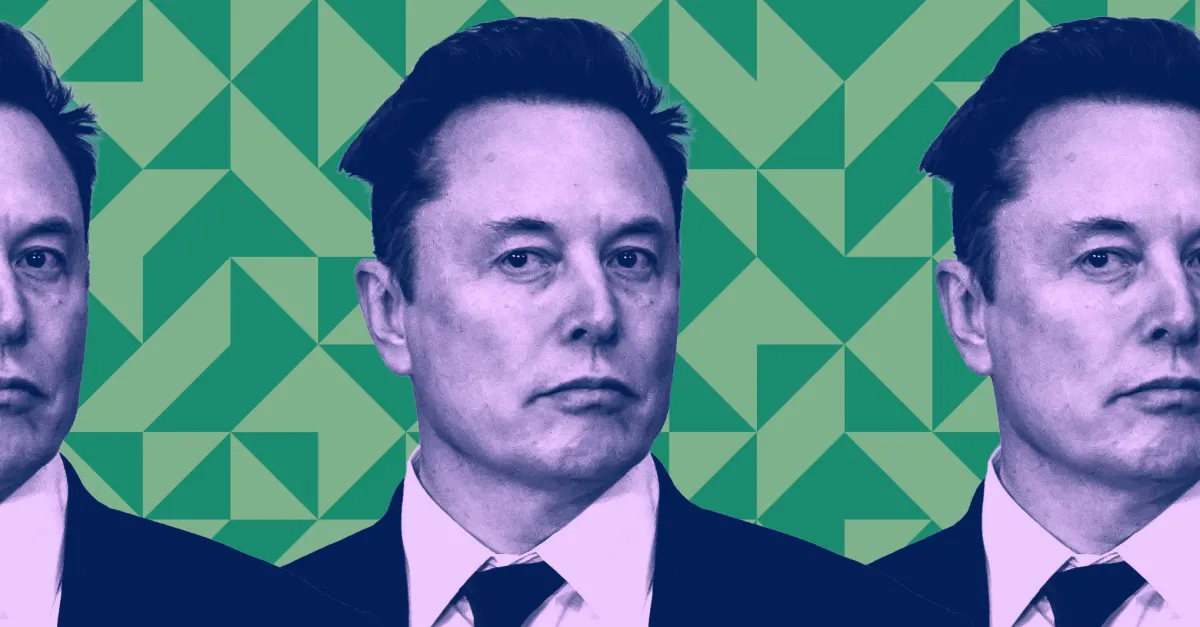
In a high-profile trial concerning the founder of OpenAI, Elon Musk, and Sam Altman, Musk positioned himself as a champion of humanity. During his questioning, Musk recounted his background from growing up in South Africa to moving to Canada, where he began his university life with a backpack full of books and 2,500 Canadian dollars. These personal details were part of his strategy to portray himself as one of the heroes striving for the greater good.
Musk, who is considered one of the richest men in the world, indicated that all his business ventures, from SpaceX to Tesla, aim to enhance human life. He viewed the establishment of SpaceX as a form of "life insurance" for the future of humanity, while launching Tesla stemmed from his concerns about the environmental impacts of fossil fuel dependency.
Details of the Trial
In court, Musk expressed his worries about artificial intelligence, noting that it could be a "double-edged sword." He explained that AI could lead to positive outcomes, such as eradicating diseases, or negative ones, such as threatening human existence. Thus, Musk seeks to emphasize the importance of directing AI towards the greater good, which motivated him to establish OpenAI.
During the trial, Musk accused Altman of being a "thief," stressing that stealing philanthropic efforts is unacceptable. He asserted that the ruling in this case could set a legal precedent affecting all charitable organizations in the United States, potentially undermining the foundations of charitable donations.
Background & Context
Elon Musk is a well-known figure in the tech world, having founded several successful companies such as PayPal and Neuralink. In contrast, Sam Altman, who was a partner of the OpenAI founder, has a mixed history in the tech industry. This disparity in their backgrounds may influence how the public perceives each of them during the trial.
OpenAI was established in 2015 with the goal of developing artificial intelligence in a safe and beneficial manner. However, recent years have seen controversy surrounding the use of AI and its impact on society, making this case even more significant.
Impact & Consequences
If Musk succeeds in proving his claims, it could significantly affect how charitable organizations are regulated in the United States. It may also highlight the importance of ethics in AI development, potentially leading to changes in public policy.
This trial represents an opportunity to shed light on the ethical issues associated with modern technology and may open the door to broader discussions about the role of tech companies in society.
Regional Significance
In the Arab world, this case could influence how governments and companies approach technological innovations. With the growing interest in artificial intelligence in the region, there may be an urgent need to establish regulatory frameworks that ensure the safe and ethical use of this technology.
In conclusion, the trial of Elon Musk and Sam Altman marks a turning point in our understanding of the role of technology in society, emphasizing the importance of ethics in the business world.