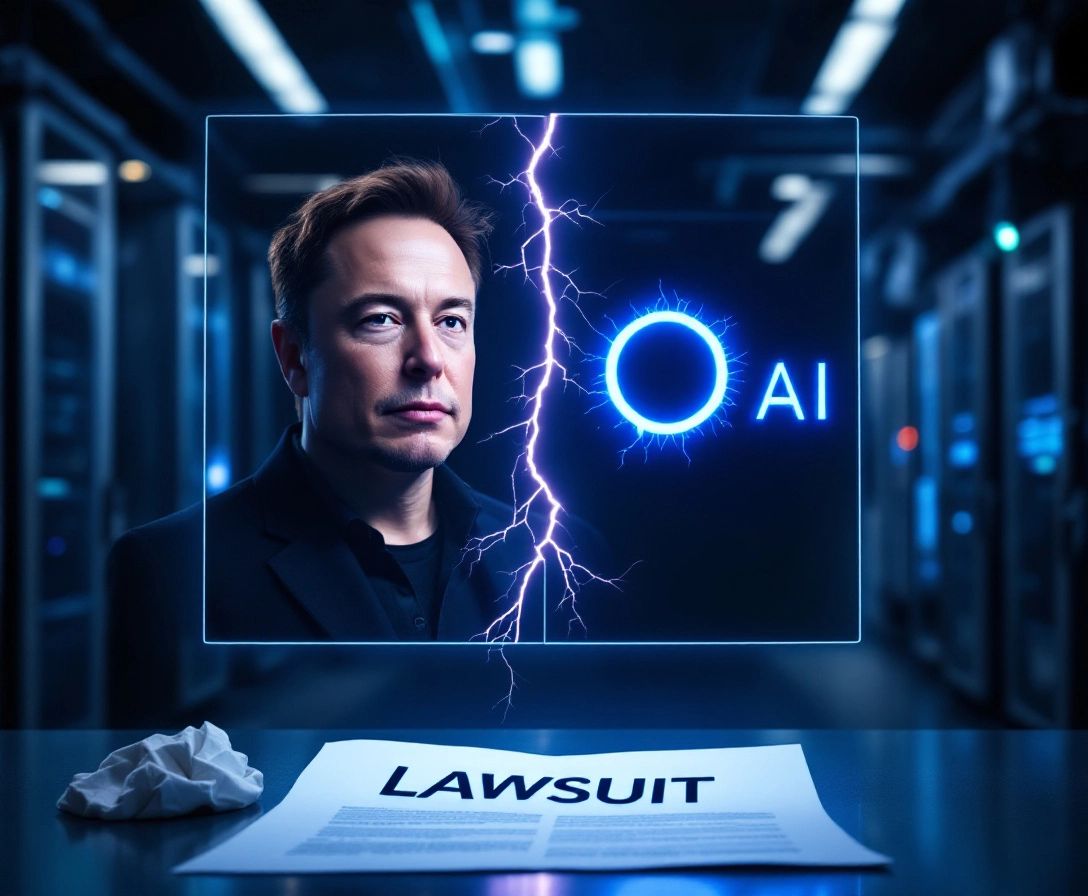
A high-profile trial is unfolding in Oakland, California, concerning the future of OpenAI, where Elon Musk, the world's richest man, faces the company he helped to establish. Musk accuses OpenAI and its CEO Sam Altman and President Greg Brockman of betraying their original mission to develop artificial intelligence for the benefit of humanity, transforming it into a profit-driven entity.
During the trial session, attorney Bill Savitt, representing OpenAI, asserted that Musk is seeking the "keys to the kingdom," highlighting his ambition to lead the company after having funded its growth in its early days. Savitt explained that Musk has shifted his focus towards personal wealth rather than committing to OpenAI's humanitarian mission.
Details of the Case
The trial revolves around Musk's claims of betrayal by OpenAI, as he seeks damages amounting to $150 billion from the company and Microsoft, one of its largest investors. Musk is also demanding that OpenAI revert to its status as a non-profit organization and remove Altman and Brockman from their positions, asserting that OpenAI has violated the charitable trust upon which it was founded.
Before the trial commenced, Judge Yvonne Gonzalez Rogers warned Musk against using social media to make statements that could affect the case, after he labeled Altman as a "fraud." Musk agreed to limit his social media activity, while both Musk and Altman are expected to testify during the trial.
Background & Context
OpenAI was founded in 2015 by Musk and Altman with the goal of developing artificial intelligence for the benefit of humanity and competing with companies like Google. However, after Musk left the company's board, OpenAI transitioned to a profit-making entity in 2019, which raised Musk's concerns and he viewed it as a betrayal of its original principles.
Competition in the field of artificial intelligence has intensified, with OpenAI striving to maintain its position amid the emergence of new companies like Anthropic. Microsoft has invested $10 billion in OpenAI, further heightening Musk's worries regarding the company's profit-driven direction.
Impact & Consequences
This trial represents a test of leadership at OpenAI and could influence its plans for an initial public offering (IPO), potentially raising doubts about its future strategies. Additionally, this case may amplify public concerns in the U.S. about the implications of artificial intelligence technologies on society.
If Musk succeeds in his case, it could lead to radical changes in how OpenAI is managed, potentially redirecting its focus towards humanitarian goals rather than profitability. This shift could also alter how other companies approach artificial intelligence.
Regional Significance
The outcome of this trial is not just significant for OpenAI but also for the broader tech industry, as it highlights the ongoing debate between humanitarian objectives and profit motives in the field of artificial intelligence. The implications of this case could resonate well beyond California, influencing global perspectives on AI development.
In conclusion, the trial's outcome may redefine the operational ethos of OpenAI and set a precedent for how technology companies balance their profit motives with ethical responsibilities towards society.