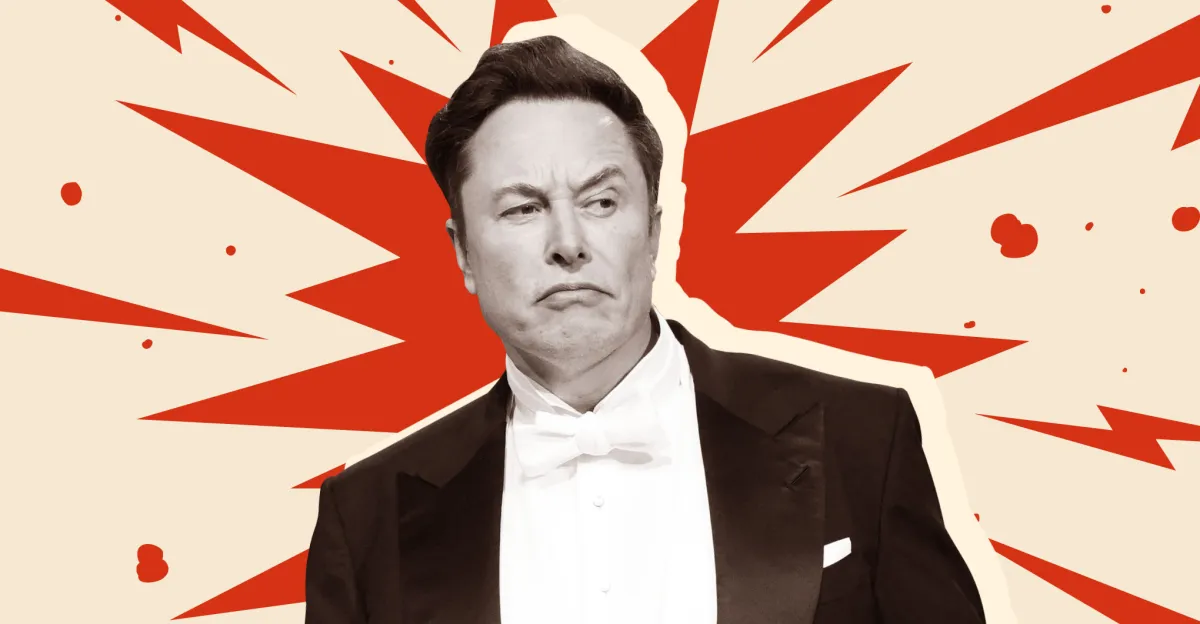
Elon Musk, the renowned entrepreneur and founder of Tesla, has commenced his testimony in a high-profile trial against Sam Altman and Greg Brockman, the CEO and president of OpenAI, respectively. Musk alleges that OpenAI has violated its core mission of developing artificial general intelligence that benefits all of humanity.
The roots of the dispute trace back to the early years of OpenAI's establishment, where Musk was one of the primary co-founders, investing up to $38 million in the project. However, the relationship among the founders deteriorated due to disagreements over the company's structure and vision, including the issue of integrating OpenAI with Musk's Tesla. After his departure, Musk founded his own AI company, xAI, which is considered a direct competitor to OpenAI.
Details of the Trial
The trial, taking place in a federal court in California, includes serious allegations against OpenAI, such as fraud and unjust enrichment. Through his lawsuit, Musk seeks to overturn OpenAI's profit restructuring and demands the court to remove Altman and Brockman from their positions. The case also involves prominent names in the AI industry, such as Satya Nadella, the CEO of Microsoft, and Kevin Scott, the company's CTO.
This case is one of several lawsuits Musk has filed against OpenAI in recent years, many of which have been dismissed. However, this particular case represents a turning point in the relationship between Musk and OpenAI, which initially was a joint venture aimed at developing AI technologies responsibly.
Background & Context
OpenAI was founded in 2015 with the goal of developing artificial intelligence in a manner that benefits humanity. However, in recent years, it has undergone a shift in its strategies, raising concerns among Musk and other founders about how the company is being managed. Musk is considered one of the leading voices in technology, having repeatedly warned about the risks of unregulated artificial intelligence.
Since leaving OpenAI, Musk has launched the xAI project, which aims to develop AI technologies aligned with his vision. This competition between companies reflects the growing tensions in the AI industry, where major firms are vying for dominance in the field.
Impact & Consequences
This trial is a significant step in determining the future of OpenAI and the trends in the artificial intelligence industry as a whole. If Musk succeeds in proving his claims, it could lead to radical changes in how companies manage artificial intelligence, potentially affecting major corporate investments in this sector.
Furthermore, this case may open the door to increased scrutiny regarding how companies handle modern technology, raising questions about ethics and transparency in AI development.
Regional Significance
In light of the global trend towards artificial intelligence, legal issues like this could impact how Arab countries invest in technology. With a growing interest in digital innovation in the region, it is crucial for Arab nations to adopt clear policies to ensure the responsible and safe use of artificial intelligence.
This case serves as an opportunity to highlight the importance of transparency in technology development, which could encourage new investments in artificial intelligence across Arab countries.