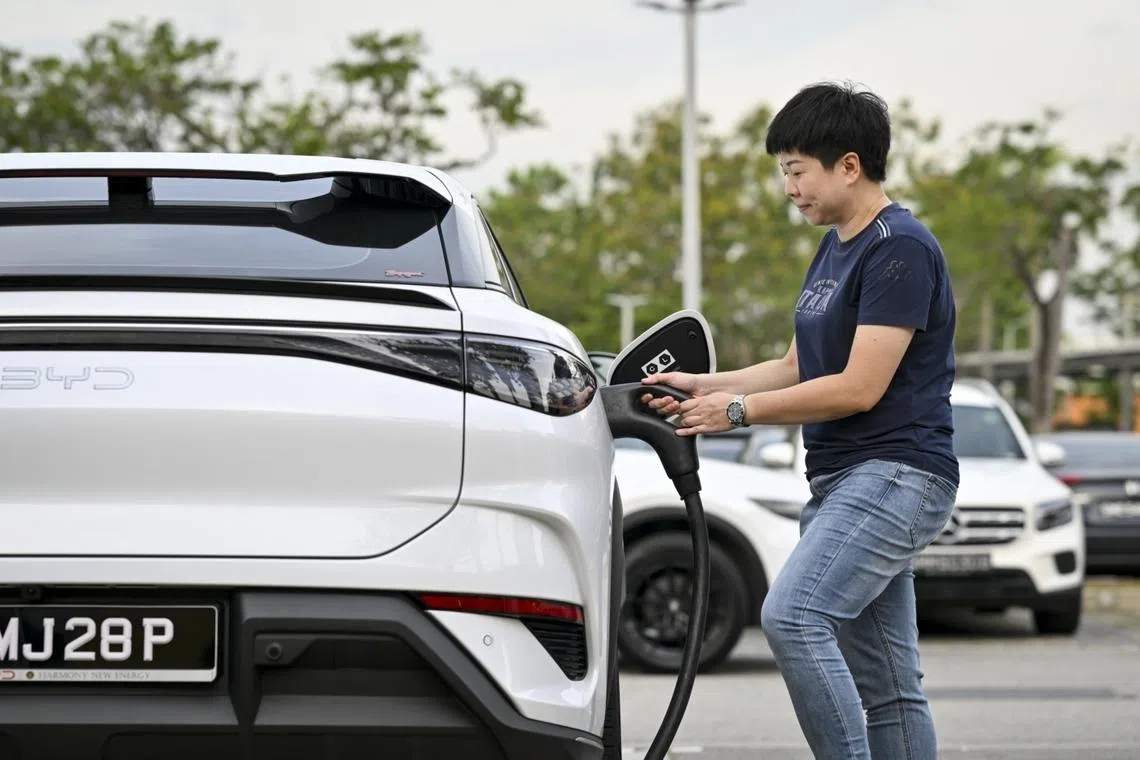
A recent survey indicates that 96% of electric car owners in Singapore are completely satisfied with their vehicles, reflecting a positive shift towards the use of clean energy. However, significant concerns persist among non-owners, suggesting a gap between reality and perceptions regarding electric cars.
The popularity of electric vehicles is on the rise in Singapore, as the government seeks to promote sustainable transportation. Nevertheless, many potential drivers face challenges related to cost, charging infrastructure, and the efficiency of these cars for daily use.
Event Details
According to the survey, which included a wide range of drivers, 88% of participants believe that electric cars are more environmentally friendly. However, 70% of non-electric car owners expressed concerns about the availability of charging stations, highlighting an urgent need to improve infrastructure.
The survey also noted that 65% of non-owners feel that electric cars are still too expensive, hindering their decision to switch to this type of vehicle. These concerns reflect the challenges governments face in driving the transition towards sustainable transportation.
Background & Context
Historically, Singapore has made significant efforts to promote the use of electric vehicles, with the government launching several initiatives to support this trend. In 2020, the government announced plans to provide 60,000 charging stations by 2030, demonstrating its commitment to reducing carbon emissions.
Singapore is considered one of the leading countries in technological innovation, making it an ideal environment for adopting electric vehicles. However, challenges remain, as drivers need more awareness and understanding of the benefits of these cars.
Impact & Consequences
The results show an urgent need for effective communication between the government and citizens regarding the benefits of electric vehicles. If concerns persist among non-owners, it may negatively impact the government's plans to reduce emissions and achieve its environmental goals.
Furthermore, promoting the use of electric cars could contribute to improving air quality in major cities, benefiting public health. Therefore, the government must address concerns related to cost and infrastructure.
Regional Significance
Singapore's experience could provide important lessons for Arab countries seeking to enhance the use of electric vehicles. Given the environmental challenges faced by many Arab nations, transitioning to electric cars could be a strategic step towards achieving sustainable development.
Arab countries also face similar challenges regarding cost and infrastructure, necessitating effective strategies to raise awareness and understanding of the benefits of electric vehicles.
In conclusion, achieving a successful transition to electric vehicles requires joint efforts from both the government and citizens. Clear strategies must be in place to address concerns and promote benefits, contributing to a more sustainable future.