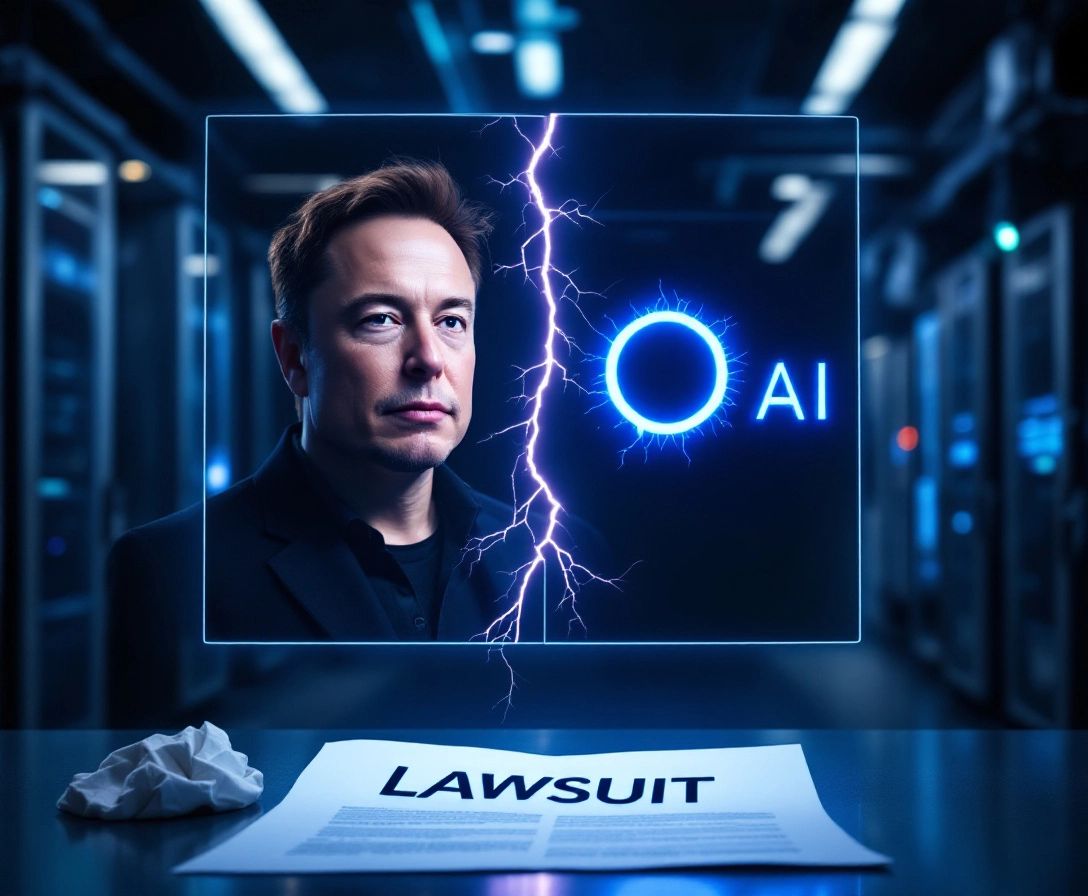
Elon Musk, the world's richest man, is preparing to return to the witness stand on Wednesday in Oakland, California, in a trial related to a case he filed against OpenAI. Musk accuses the company of abandoning its mission as a responsible entity in the development of artificial intelligence in favor of profit.
During his testimony on Tuesday before a nine-member jury, Musk harshly criticized OpenAI's decision made in 2019 to transform itself into a for-profit entity. He pointed out that this decision could destroy the foundation of charitable work in the United States, stating: "If we allow a charity to be stolen, the whole foundation will be destroyed."
Details of the Case
OpenAI was founded in 2015 by Musk and others with the aim of developing artificial intelligence responsibly. However, Musk left the company in 2018 after investing $38 million. In 2023, Microsoft invested $10 billion in OpenAI, complicating the legal situation further.
Musk faces accusations from OpenAI's lawyers that he is seeking to take control of the company to bolster his own AI venture, xAI, which has struggled with adoption compared to OpenAI. Musk is expected to resume his testimony on Wednesday, where he will face questioning from OpenAI's attorneys.
Background & Context
This trial comes at a critical time for the AI industry, which is experiencing rapid growth and raising concerns about job losses. Experts indicate that artificial intelligence could have profound effects on both the American and global economies. OpenAI was established at a time when competition in AI was increasing, with companies like Google striving to develop similar technologies. However, OpenAI's shift to a for-profit entity has sparked widespread debate regarding ethics in this field.
Impact & Consequences
If Musk succeeds in his case, it could lead to significant changes in how AI companies are regulated. Musk is seeking damages of up to $150 billion, emphasizing that any compensation should go to OpenAI's charitable arm. This case exemplifies the growing conflicts among tech entrepreneurs as they compete for control over the future of artificial intelligence. It also highlights the ethical challenges facing this industry.
Regional Significance
This case sheds light on the ethical and financial conflicts within the AI industry, impacting the future of innovation and technology. The outcome could influence how companies are organized in the Arab world, especially in light of the growing focus on innovation and technology.
In conclusion, the trial not only addresses legal issues but also raises significant questions about the direction of artificial intelligence and its implications for society.