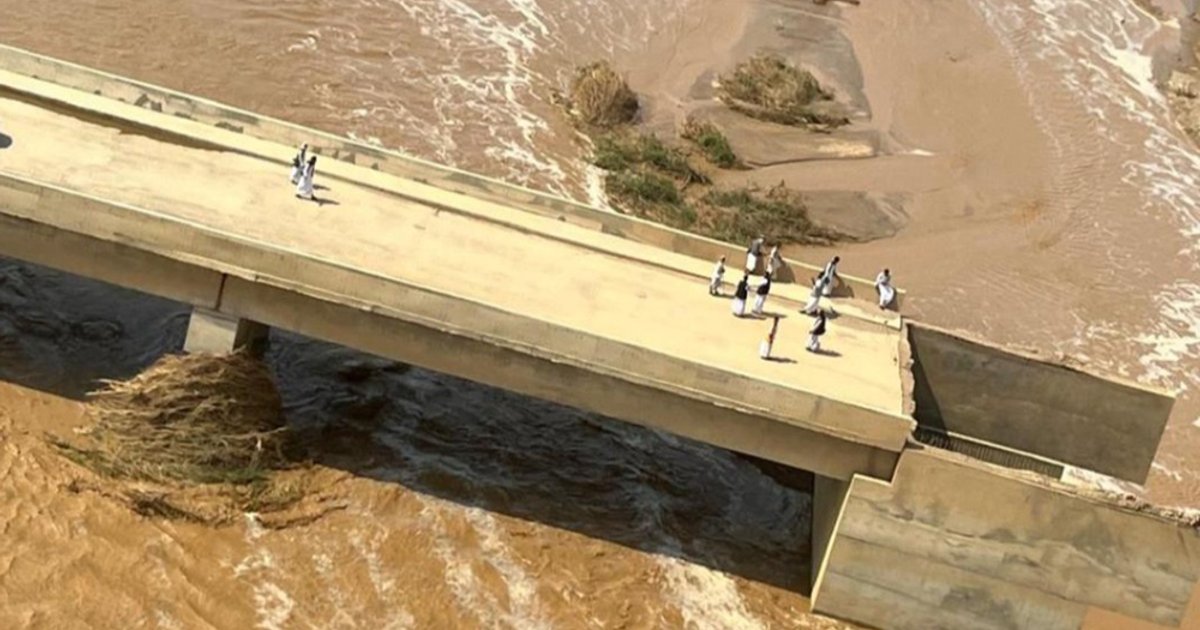
The Indonesian government has announced emergency measures to address the collapse of the Kedungrejo Dam in the Madiun area, which occurred on March 27, 2026. The dam, considered a vital part of the irrigation system in the region, suffered significant damage after a section of the dam collapsed, impacting over 1,500 hectares of agricultural land.
Deputy Minister of Public Works, Diana Kusumastuti, stated that the government, in cooperation with the relevant agency, will undertake urgent measures including cleaning up debris and removing the damaged parts of the dam to redirect the water flow. She confirmed that this process will take approximately two weeks.
Details of the Incident
The collapse of the Kedungrejo Dam occurred at a sensitive time, as the dam had been built since 1936 and had only undergone one renovation in the 1970s. This long lifespan of the infrastructure significantly impacted its ability to withstand changing climatic conditions, leading to its failure.
Diana Kusumastuti explained that the dam supplied water to over 1,554 hectares of agricultural land in the Pilangkenceng area. The collapse was reported early on the morning of March 31, prompting the government to take swift action.
Background & Context
Water infrastructure in Indonesia is a crucial part of food security strategies, as agriculture heavily relies on effective irrigation systems. However, many of these facilities are outdated and require continuous updates to meet climatic challenges.
Historically, Indonesia has experienced several similar incidents where floods and collapses have destroyed vital infrastructure. The collapse of the Kedungrejo Dam reflects the urgent need for renewal and improvement of irrigation systems to ensure the sustainability of agriculture in the country.
Impact & Consequences
The collapse has negative implications for food security in the region, as farmers depend on the dam's water to irrigate their crops. This failure may lead to a decrease in agricultural production, affecting the local economy.
After completing the emergency measures, the government plans to permanently rebuild the dam, with estimated costs reaching around 20 billion Indonesian rupiah. This step aims to enhance the dam's ability to withstand harsh climatic conditions and ensure the continuity of water supplies.
Regional Significance
Water infrastructure issues are a common problem in many Arab countries, which face similar challenges in managing their water resources. Indonesia's experience in dealing with the dam collapse can serve as an important lesson for Arab nations seeking to improve irrigation systems and water infrastructure.
In conclusion, the collapse of the Kedungrejo Dam highlights the importance of investing in water infrastructure, not only in Indonesia but worldwide. Countries must learn from such incidents to ensure the sustainability of their water resources.