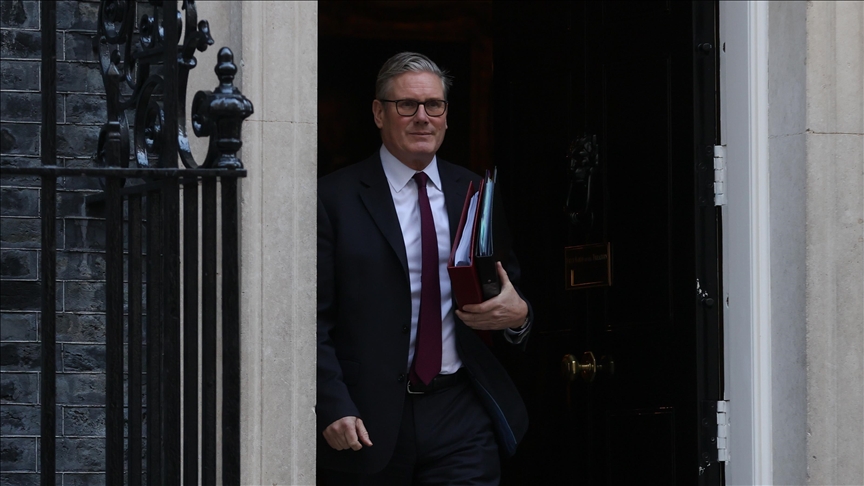
In a move reflecting increased international concern over the escalating situation in the Middle East, the British government has announced an emergency cabinet meeting led by the Prime Minister, set for next Monday. This decision follows reports published by Sky News regarding the deteriorating conditions in several countries within the region.
Tensions in the Middle East are rising, as recent events have heightened fears regarding regional stability. In Palestine, the ongoing conflict between Israeli occupation and Palestinians has reached escalating levels of violence and tension, affecting efforts to find a peaceful resolution.
In Syria, the situation remains unstable as government forces continue to fight opposition groups amidst a humanitarian crisis affecting the Syrian people. Meanwhile, in Iraq, challenges related to security and stability continue to trouble citizens, with threats from militant organizations and social pressures.
This emergency meeting comes after the British government faced criticism regarding its response to the growing crises in the Middle East, particularly from opposition parties demanding a more effective foreign policy.
Moreover, the escalation in relations between Iran and some Western countries, along with rising events in Lebanon, has significantly altered the nature of discussions within British decision-making circles. The meeting is part of efforts to establish a clear and coherent strategy for addressing the crisis in the region, leading observers to anticipate how the British government will assess the situation and its implications for its foreign policy.
Looking at the historical context, it can be said that the Middle East has long been a theatre of tensions and conflicts. The region has witnessed numerous invasions and wars over the decades, contributing to the exacerbation of political and economic conditions. The current events are seen as a result of decades of failed policies and an inability to address lingering issues.
The potential implications of this meeting are of great interest, as they are likely to directly affect relations with Arab countries. Ministers will explore possibilities for enhancing cooperation with neighboring states and how to support initiatives aimed at improving humanitarian and political situations in the affected countries.
The meeting may also cast light on Britain’s stance on issues like human rights in the Arab world, as London faces pressure to reaffirm its ethical position in supporting basic rights for individuals in those countries.
In a broader context, it seems that British responses to Middle Eastern issues are becoming increasingly urgent. Many observers believe that Britain, as a significant player on the global stage, should play an important role in steering toward viable solutions.
For Arab observers, this meeting reflects the extent of Western involvement in Arab affairs, whether they will strive to improve conditions or continue with previous policies that have not garnered public satisfaction.
Political analysts eagerly await the outcomes of this meeting, which could potentially herald a new starting point for political transformations that help ease tensions in the region. If there is an openness to dialogue and constructive discussions, the next steps could differ from those of previous years.
In conclusion, this emergency meeting remains a highly significant event, as it pertains to the future of British foreign policy towards the Middle East and its capacity to positively influence current circumstances.