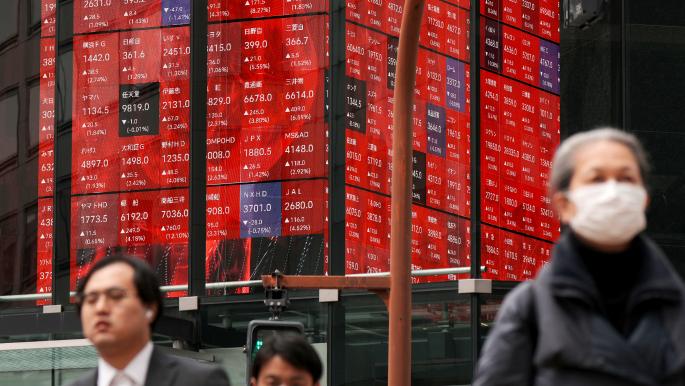
Emerging market stocks and currencies have experienced a recovery for the third consecutive day, bolstered by hopes for a potential ceasefire in the region. This recovery occurs during a sensitive period, as many countries seek to achieve economic stability under the current circumstances.
The emerging markets are showing notable improvement, with stock prices rising significantly in several countries, reflecting investor optimism regarding political conditions. This optimism also indicates the markets' desire for stability following a period of volatility.
Event Details
Emerging markets continue to achieve remarkable gains, with stocks rising in countries such as Brazil, Turkey, and South Africa. This increase reflects growing confidence in these countries' ability to overcome political and economic crises. Local currencies have also improved, indicating increased demand for emerging assets.
These developments come at a time when governments face mounting pressure to achieve economic stability. Analysts have noted that these increases may be temporary; however, they reflect investors' willingness to seek new opportunities in emerging markets.
Background & Context
Historically, emerging markets have experienced significant fluctuations due to political and economic crises. Nevertheless, the hope for peace and stability can contribute to enhancing economic growth. In recent years, there have been multiple attempts to reach peace agreements in conflict areas, positively impacting the markets.
Emerging markets are a major driver of the global economy, contributing significantly to global growth. Therefore, any improvement in these markets can have positive effects on the global economy as a whole.
Impact & Consequences
If these positive trends continue, it could lead to an influx of more investments into emerging markets. This influx can help boost economic growth and create job opportunities. However, governments must be cautious in managing these investments to ensure that an economic bubble does not occur.
Emerging markets are also affected by changes in global monetary policies, as interest rates in major countries can influence the flow of investments into these markets. Thus, monitoring these policies will be essential for understanding future trends.
Regional Significance
The Arab region is also experiencing impacts from these developments, as increased investments in emerging markets could enhance economic cooperation among Arab countries. It may also contribute to improving trade relations and increasing trade exchanges.
Furthermore, stability in emerging markets can positively affect oil prices and natural resources, benefiting oil-producing Arab countries.