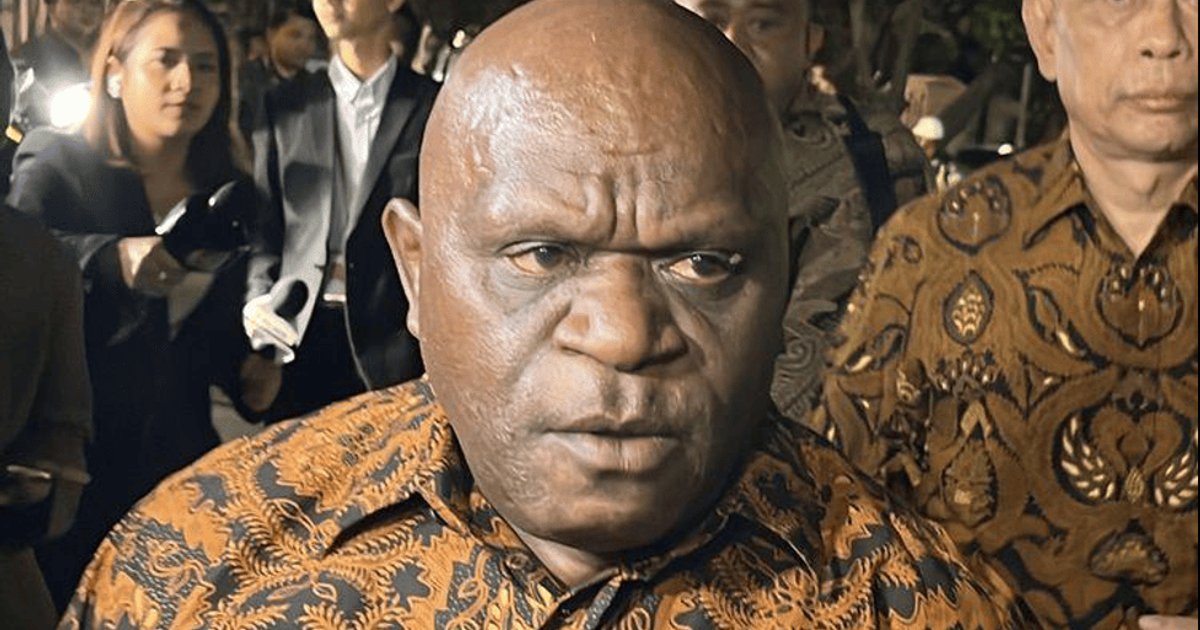
Indonesian Human Rights Minister Nathalia Pigay emphasized the importance of maintaining the independence of the judicial system during a human rights promotion event at Gorontalo University, where he called for the government to avoid interfering in ongoing legal processes. This statement was made during a live dialogue with students, where Pigay pointed out that the government should steer clear of any form of intervention in legal matters.
Pigay explained that Indonesia's constitutional system is based on the principle of separation of powers, which means that each institution must perform its role independently. He underscored the importance of the executive, legislative, and judicial authorities working in a professional and independent manner, free from interference from any party.
Event Details
The event was held at Gorontalo University as part of the government's efforts to enhance public understanding of human rights. It was attended by numerous students and interested parties, where topics related to human rights and how to promote them within Indonesian society were discussed. Pigay focused on the role of the government as a responsible entity for protecting citizens' rights, emphasizing that society must have the constitutional right to demand its rights.
Furthermore, Edward Waluk, the rector of Gorontalo University, stated that enhancing human rights capacities is essential for unifying visions amidst Indonesia's cultural and religious diversity. He highlighted the importance of ensuring that laws and government policies are based on human rights principles to prevent any future violations.
Background & Context
Historically, Indonesia has faced significant challenges in the realm of human rights, particularly during periods of authoritarian rule. With the transition to democracy in the late 1990s, the government began taking steps to promote human rights, yet issues related to civil liberties and minority rights persist. Raising awareness of human rights among the youth is considered a crucial part of these efforts.
Through such events, the Indonesian government aims to build a bridge of communication between the government and society, facilitating a better understanding of human rights in the current social and political context. The initiative also seeks to foster a culture of respect for human rights among the new generations.
Impact & Consequences
The statements made by the Human Rights Minister represent a positive step towards enhancing judicial independence in Indonesia, as the non-interference of the government in legal matters indicates the state's commitment to the principles of democracy and human rights. This could contribute to improving Indonesia's image on the international stage and bolster trust in the judicial system.
Moreover, promoting human rights can help reduce potential violations, positively impacting social and political stability in the country. It is crucial for the government to adopt clear policies that support human rights and ensure that violations do not occur in the future.
Regional Significance
The issue of human rights is also significant in the Arab world, where many countries face similar challenges regarding civil liberties and minority rights. Enhancing the culture of human rights in Indonesia could serve as a model for Arab nations, where positive experiences can contribute to fostering dialogue on human rights in the region.
In conclusion, this event represents an important step towards promoting human rights in Indonesia and reflects the government's commitment to achieving justice and equality. Raising awareness of human rights among the youth is an investment in a better future for all.