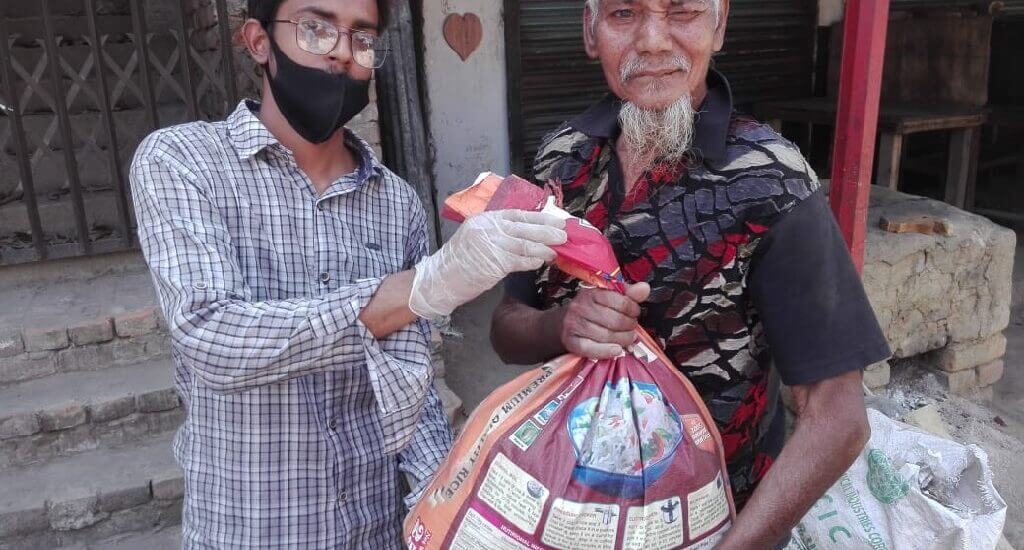
Indonesia's Minister of Family Development, Wyhaji, emphasized the significance of monitoring the distribution of the "Nutritious Free Meals" (MBG) program in food service units (SPPG) during a press conference in Jakarta. These remarks come in light of global geopolitical conditions impacting the country's internal policies, where the free food program is considered a means to enhance food security.
Wyhaji underscored the necessity for high-quality services to be provided in SPPG to ensure that the targeted groups fully benefit from the program. He explained that this program specifically addresses pregnant women, nursing mothers, and children under early education age, known as the 3B term.
Event Details
In his statements, Wyhaji noted that the Indonesian government, under the leadership of the president, is working to enhance its priority programs, including MBG, to ensure healthy food provision for the most needy groups. He stressed the importance of daily monitoring of the program's distribution by regional office heads to ensure that aid reaches its rightful recipients.
Wyhaji also called for field workers to monitor SPPG to ensure that free food is distributed correctly and consistently. He emphasized the importance of coordination among different units to ensure the continuity and success of various government programs, such as family planning services and the use of electronic applications dedicated to marriage and pregnancy.
Background & Context
Indonesia is one of the countries facing significant challenges in food security, especially amid global crises affecting supply chains. Studies have shown that the most vulnerable groups, such as mothers and children, are the most affected by these crises. Therefore, programs like MBG are essential to ensure the provision of nutritious food to these groups.
Historically, Indonesia has relied on food aid programs as a means to combat poverty and malnutrition. With increasing economic challenges, it has become crucial to enhance and develop these programs to better meet community needs.
Impact & Consequences
Wyhaji's statements highlight the importance of strengthening oversight of food aid programs, as improving the quality of services provided can contribute to better nutritional status for the targeted groups. This also reflects the Indonesian government's commitment to achieving sustainable development goals related to eradicating hunger and improving nutrition.
These efforts are expected to lead to improved public health and increased productivity within the community, contributing to the enhancement of the national economy. Moreover, the success of these programs could serve as a model for other countries facing similar challenges.
Regional Significance
Food security issues are vital concerns for all countries, including Arab nations. Many Arab countries face similar challenges in providing healthy food to their citizens. Indonesia's experiences in monitoring the distribution of food aid and providing high-quality services could serve as an inspiration for Arab countries.
Amid economic and political crises in some Arab nations, strengthening food security programs can contribute to achieving social and economic stability.