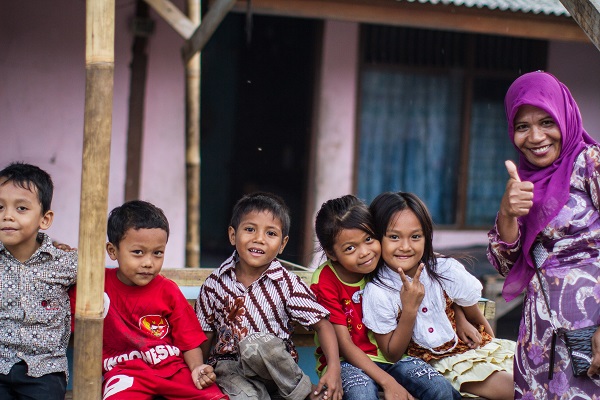
Made Natasya Restu Dewi Pratiwi, a researcher at the Indonesian Institute (TII), emphasized that protecting children in digital spaces requires a comprehensive approach that goes beyond mere bans. During her talk in Jakarta, she explained that child protection should include a mix of regulations, education, monitoring, and ongoing support.
Natasya pointed out that limiting access to social media for those under the age of 16 is an important first step to reduce the multiple risks they may face in the digital space, such as cyberbullying, sexual abuse, pornography, fraud, and technology addiction. However, she warned that implementing these policies faces multiple challenges, both technically and in terms of the surrounding environment.
Event Details
Natasya explained that technical challenges include the possibility of children manipulating their ages when registering their accounts, as well as using virtual private networks (VPNs) to access banned platforms. Additionally, children may move to less monitored platforms, increasing the risks they face.
On the other hand, she noted that environmental challenges relate to the lack of sufficient digital literacy among parents and the community, which limits their ability to provide appropriate support to their children in their digital activities. She stressed the need to enhance digital literacy among children, parents, teachers, and the community to ensure the safe and responsible use of technology.
Background & Context
These statements come within the framework of global efforts to protect children in digital spaces, where concerns about the impacts of technology on children's safety and privacy have increased. In recent years, studies have shown that children are more vulnerable to digital risks, necessitating effective actions to protect them.
Many countries are seeking to establish laws and regulations to protect children, but challenges remain, especially in countries suffering from a lack of digital education. Raising public awareness about digital risks is a fundamental step in this direction.
Impact & Consequences
Natasya indicates that a comprehensive approach to child protection can have a significant positive impact on society. In addition to protecting children, it can contribute to fostering a culture of responsible technology use, thereby reducing associated risks.
Moreover, involving children in the formulation and evaluation of policies related to their protection is an important step to ensure that these policies meet their actual needs. Strengthening the role of digital platforms in enforcing laws through stricter age verification systems is essential.
Regional Significance
Arab countries also face similar challenges in protecting children in digital spaces. With the increasing use of the internet and social media, it has become essential to establish effective strategies to protect children from digital risks. Enhancing digital literacy in Arab communities can help reduce risks and empower parents and educators to support children in using technology safely.
In conclusion, protecting children in digital spaces requires integrated efforts involving all stakeholders, from governments to families and communities. Strengthening cooperation among these parties is key to ensuring a safe digital environment for children.