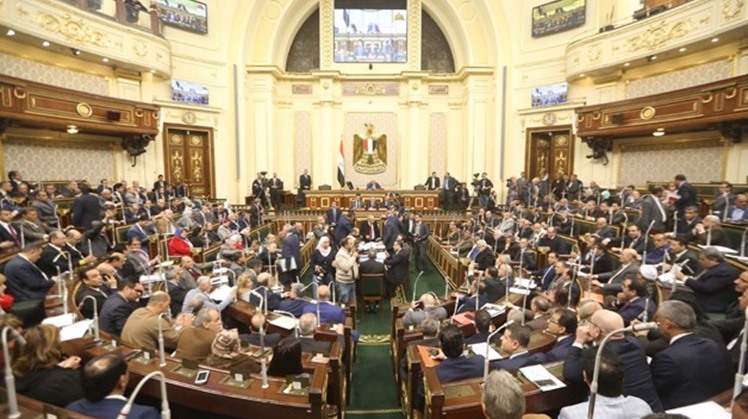
The head of the Religious Committee in the Egyptian Parliament stated that the belief that Sharia is distant from legislative concepts is a narrow perspective. He emphasized that Islamic law is a fundamental basis for formulating laws and regulations, pointing out the necessity of understanding Sharia in a comprehensive manner that goes beyond narrow perceptions.
He noted that Sharia is not merely religious texts, but a complete system that includes principles and values that promote justice and equality. He also called for the integration of these principles into modern legislation to ensure their alignment with societal values.
Details of the Event
These statements came during a parliamentary hearing where several issues related to the application of Sharia in Egyptian laws were discussed. He affirmed the urgent need to develop legislation in line with the spirit of Sharia while preserving citizens' rights and interests.
He also pointed out that there are some misconceptions about Sharia, which lead to varying opinions on how to apply it in daily life. He stressed the importance of open dialogue among all stakeholders to reach a common understanding.
Background & Context
Historically, Islamic law has represented an essential part of the legal system in Egypt. Over time, the country has witnessed political and social transformations that have affected how Sharia is applied in laws. In recent years, calls have increased to reconsider some legislations to make them more compatible with Islamic principles.
These transformations require a deep understanding of Sharia and how to apply it in modern contexts. Therefore, dialogue on this topic is essential to ensure a balance between religious values and legal requirements.
Impact & Consequences
Reassessing how Sharia is applied in laws could lead to significant changes in the Egyptian legal system. These changes may contribute to enhancing individual rights and achieving social justice, positively reflecting on community stability.
On the other hand, these changes may face resistance from certain groups that prefer to maintain the status quo. Therefore, effective communication with all stakeholders is a crucial step to avoid any potential conflicts.
Regional Significance
Egypt is considered one of the leading countries in the Arab world, and any changes in its legal system could impact other nations. The Egyptian experience may inspire other countries to reconsider how they apply Sharia in their laws, contributing to the enhancement of Islamic values in legislation.
Moreover, dialogue about Sharia may help foster mutual understanding among different cultures and religions in the region, enhancing opportunities for cooperation and peace.
The statements from the head of the Religious Committee in Parliament reflect the importance of Sharia in Egyptian legislation and highlight the need for a comprehensive and balanced understanding of it. Through dialogue and cooperation, progress can be made in this area to serve the interests of society as a whole.