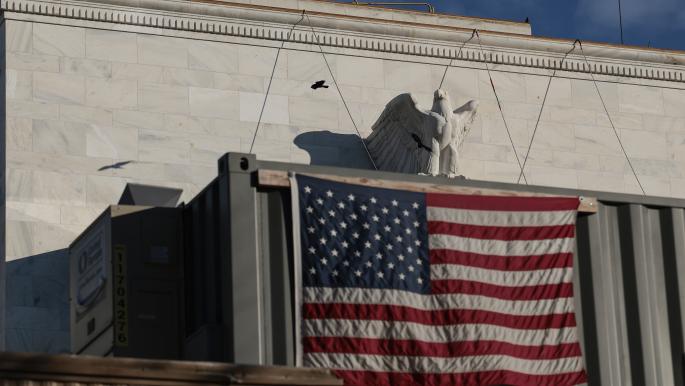
Kevin Warsh, a candidate for the chairmanship of the U.S. Federal Reserve, has articulated his intention to create a 'healthy family quarrel' at the monetary policy-making table, reflecting his aspirations to lead the central bank. These statements emerge during a sensitive period, as the Federal Reserve confronts substantial challenges related to interest rates and inflation.
Warsh's comments aim to underscore the importance of internal discussions among board members, believing that diverse opinions can lead to more effective decision-making. This approach indicates a desire to enhance transparency and open dialogue regarding monetary policies, which could significantly impact both the U.S. and global economies.
Event Details
Kevin Warsh, who previously served as a member of the Federal Reserve Board, seeks to reshape the central bank's policies amid current economic conditions. He noted that vigorous discussions among members could yield better outcomes, particularly given the challenges facing the U.S. economy, such as rising inflation rates and market fluctuations.
These remarks come at a time when pressure is mounting on the Federal Reserve to raise interest rates to combat increasing inflation. Recent data has shown that inflation in the United States remains above target levels, placing the central bank in a difficult position between supporting economic growth and curbing inflation.
Background & Context
Historically, the Federal Reserve has played a pivotal role in steering U.S. monetary policies. Recent years have witnessed significant changes in the bank's strategies, especially following the global financial crisis of 2008. As economic pressures mount, it has become essential to reevaluate current policies.
Kevin Warsh, with extensive experience in the financial sector, is regarded as a strong advocate for reassessing how monetary policies are managed. He emphasized the importance of maintaining a balance of differing opinions within the board, reflecting a diversity of perspectives that enhances the effectiveness of decisions made.
Impact & Consequences
If Warsh succeeds in realizing his vision of fostering a more vibrant discussion environment within the Federal Reserve, it could lead to tangible changes in monetary policies. Such changes may directly influence interest rates, which would have repercussions for financial markets and the economy at large.
The push towards enhancing internal discussions could also contribute to improved transparency and trust in the central bank's decisions. Given the current economic conditions, this aspect is crucial for ensuring financial market stability and achieving sustainable growth.
Regional Significance
Arab countries are significantly affected by decisions made by the Federal Reserve, particularly concerning interest rates. Any changes in U.S. monetary policies could impact investment flows and oil prices, reflecting on the region's economies.
In light of global economic challenges, it is vital for Arab nations to closely monitor developments in U.S. monetary policies, as these policies can influence their economic and monetary stability.