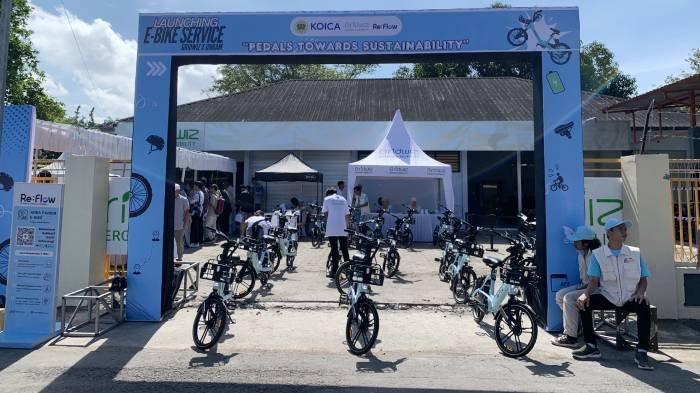
In a unique initiative, the government of Mataram, Indonesia, is promoting the use of bicycles among officials to reach their offices due to the global energy crisis and rising oil prices. This policy aims to reduce fuel consumption and mitigate environmental impact.
This initiative comes at a time when many countries are grappling with soaring oil prices and their repercussions on the local economy. City officials have indicated that this step is not merely a lifestyle change but a well-considered policy aimed at addressing economic and environmental challenges.
Details of the Initiative
The Mataram city government aims to reduce fuel expenses by up to 50% by the year 2026, which requires officials to take serious steps towards using alternative transportation methods. Officials have noted that using bicycles will contribute to improving public health and reducing traffic congestion.
This initiative is part of the Indonesian government's efforts to limit carbon emissions and promote environmental sustainability. It also aligns with the central government's trends towards remote work, as it seeks to reduce unnecessary commuting.
Background & Context
Historically, Indonesia has faced numerous economic crises that have affected the standard of living. With the rise of global oil prices, it has become essential to take effective measures to confront these challenges. In recent years, many Indonesian cities have begun adopting environmentally friendly policies, but Mataram's step is considered one of the boldest.
It is worth noting that using bicycles as a mode of transportation has not been common in Indonesia, where cars have been the preferred means. However, this initiative may contribute to changing the local culture towards sustainable transportation.
Impact & Consequences
This step serves as a new experiment that may influence how other cities manage similar crises. If Mataram succeeds in implementing this policy, it could become a model for other countries facing the same issues.
Moreover, this initiative could open the door to broader discussions on how to improve the quality of life in major cities and how to adapt to climate and economic changes. Encouraging the use of bicycles can lead to improved public health and reduced transportation costs.
Regional Significance
In the Arab region, many countries suffer from similar issues related to rising fuel prices and environmental degradation. Mataram's experience could inspire Arab nations looking for innovative solutions to address economic and environmental crises.
Arab countries can benefit from this experience by promoting the use of sustainable transportation options, such as bicycles and public transport, which could contribute to improving air quality and reducing traffic congestion.
In conclusion, the Mataram city initiative represents a bold step towards achieving environmental sustainability and may mark the beginning of a new culture in urban transportation. It is essential for other cities to follow this experience and learn from it in facing environmental and economic challenges.