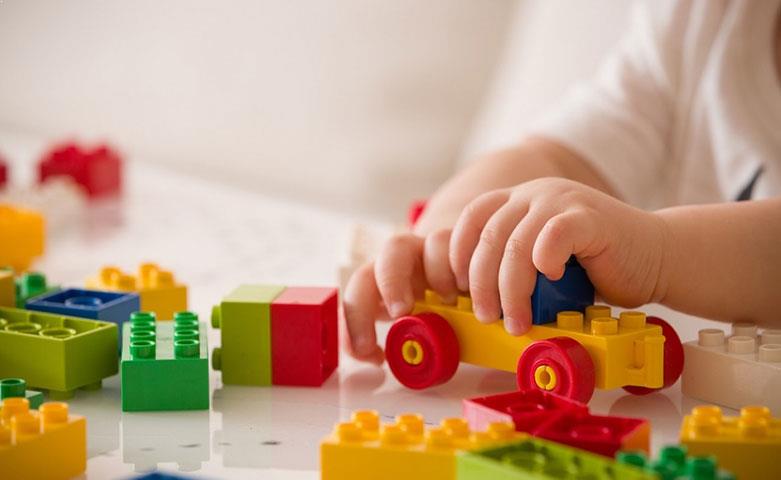
The Indonesian Pediatric Association (IDAI) has called on parents to carefully choose their children's toys to minimize the risks associated with plastic and harmful components. This appeal was made during a press conference held in the Indonesian capital, Jakarta, where Dr. Pebrim Basarah Janwarso, the association's president, emphasized the importance of paying attention to the components of toys and their safety standards.
Dr. Pebrim pointed out the necessity of reading the content of toys used by children, stressing the importance of ensuring clear safety guarantees from manufacturers. He explained that plastic toys can pose a risk to children's health, especially when exposed to high temperatures, leading to changes in their chemical composition.
Event Details
In his remarks, Dr. Pebrim confirmed that parents should be aware of the potential risks that may arise from using plastic toys. He explained that exposure to plastic can lead to serious health issues, including exposure to harmful chemicals. He also encouraged considering the use of safer alternative materials such as wood or clay, which can be safer for children.
He added that Indonesia has significant potential to develop toys made from natural materials, pointing out the abundance of wood and clay in the country. He considered that these materials not only provide greater safety but also enhance children's creativity during play.
Background & Context
The issue of plastic and its impact on public health is becoming increasingly important worldwide. Studies have shown that children are more susceptible to the negative effects of plastic, necessitating preventive measures. In recent years, concerns have grown regarding the presence of microplastics in the environment and their impact on human health, making calls like those from IDAI particularly significant.
Research is increasing on how plastic materials affect children's health, highlighting the need for greater awareness among parents and educators. There are also growing calls to reduce plastic use in the toy industry, which requires cooperation between producers and government entities.
Impact & Consequences
These calls could lead to positive changes in the toy industry, as manufacturers may begin to consider using safer alternative materials. Additionally, increased awareness among parents regarding the risks of plastic could lead to a shift in consumer behavior, prompting companies to improve safety standards in their products.
Furthermore, these initiatives could contribute to fostering innovation in the toy industry, allowing for the development of new products that better meet children's needs and are safer. Innovation in this field could open new horizons for Indonesian companies to export their products to global markets.
Regional Significance
The issue of plastic and its health impacts is a concern for all countries, including Arab nations. With the increasing use of plastic in daily life, there is a growing need for awareness regarding the risks associated with this usage. Indonesia's experience in developing safe toys made from natural materials could serve as a model for Arab countries.
Promoting the use of natural materials in toy manufacturing can contribute to protecting children's health and enhancing local innovation, benefiting the local economy. Additionally, these initiatives may help raise environmental awareness among new generations.