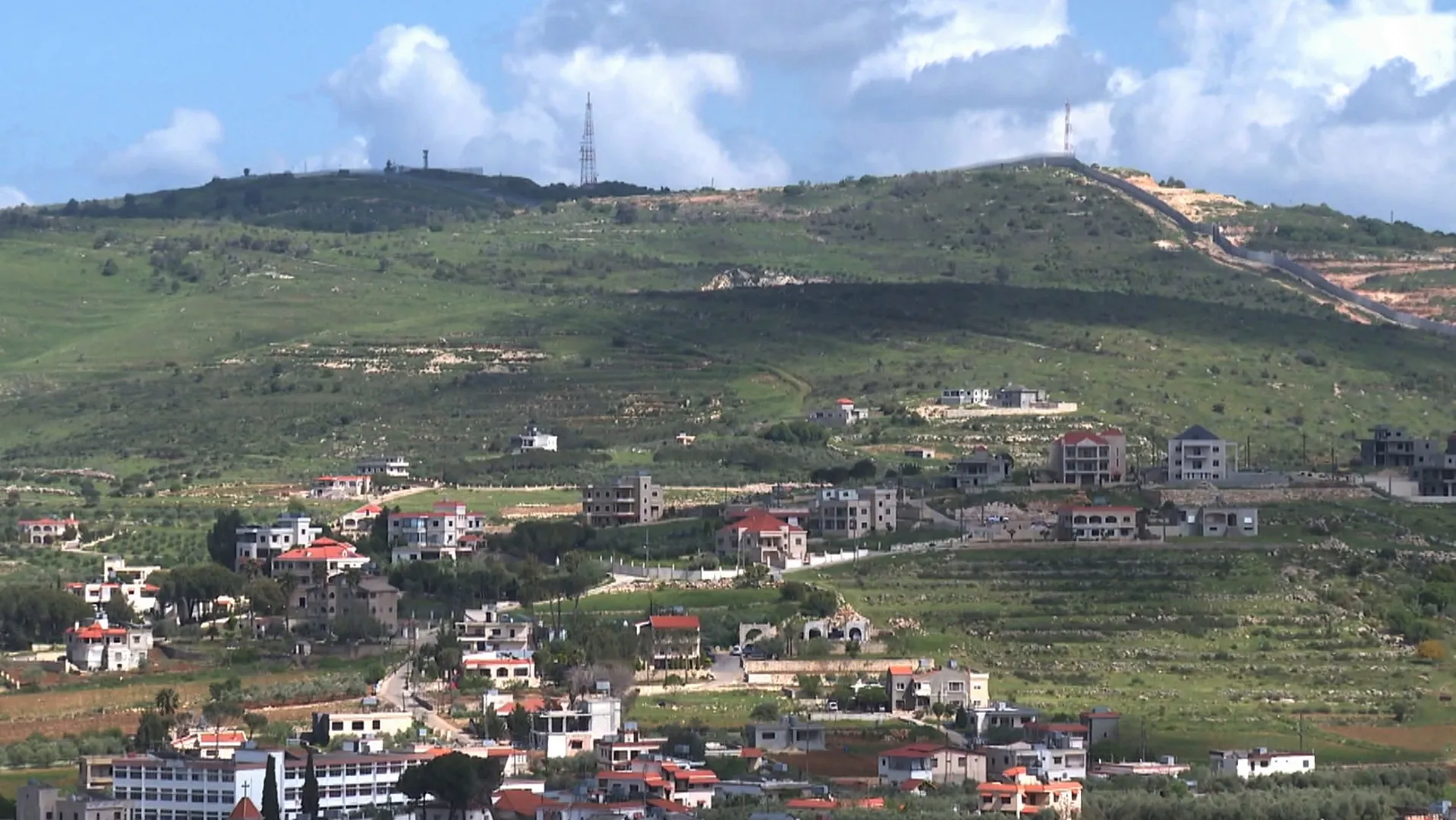
The town of Rmeish, located in the far south of Lebanon, is enduring a severe siege, with its residents facing a bitter reality due to the ongoing Israeli military escalation. The locals describe their town as a 'large prison,' urging the Lebanese government to intervene urgently to secure safe passages that would allow them to escape their isolation.
Rmeish, which has not been free from war for over two years, is experiencing unprecedented escalation following Israel's announcement of what it calls a 'forward defense line.' This measure has turned many towns into semi-empty areas, while the people of Rmeish have chosen to stay despite the surrounding dangers.
Details of the Situation
Rmeish is situated on hills overlooking Israeli positions in the Upper Galilee, placing it in constant contact with the repercussions of military confrontations. The town is suffering from a severe shortage of supplies, with the sounds of explosions and demolition affecting homes, which residents describe as a 'scorched earth' policy adopted by the occupying forces.
Relief convoys are attempting to reach the town via rough roads, but the quantities that arrive remain insufficient to meet the growing needs of the residents. Charles Alam, a member of the Rmeish municipality, emphasizes that no matter how much aid arrives, it is still inadequate, stressing the necessity of opening safe routes to communicate with state institutions.
Background & Context
Historically, southern Lebanon has witnessed numerous wars and conflicts, leaving deep scars in the memory of its inhabitants. The current situation in Rmeish reflects a repetition of the cycles of violence that the region has suffered, especially with the ongoing escalation from the Israeli side.
Fears are growing among residents of a recurrence of previous scenarios, as they face significant challenges in securing their basic needs. The absence of hospitals in the area exacerbates their suffering, as patients rely on pharmacies that are severely lacking in medications.
Impact & Consequences
Daily life in Rmeish is significantly affected, with markets suffering from a shortage of essential materials. Despite some supplies arriving, the crisis persists, limiting the residents' ability to secure their daily needs.
One resident illustrates how the closure of roads for two months has prevented the entry of vegetables and essential goods, worsening the situation. Store owners express their concern about running out of supplies, making it difficult to continue operating.
Regional Significance
The situation in Rmeish serves as an example of the challenges faced by many regions in the Arab world, where humanitarian crises intersect with armed conflicts. The continuation of the current situation could exacerbate humanitarian crises in the region, necessitating urgent action from the international community.
In conclusion, the residents of Rmeish are appealing to the Lebanese state not to abandon them, demanding urgent action to rescue them from the deadly isolation and reconnect them with the rest of the country.