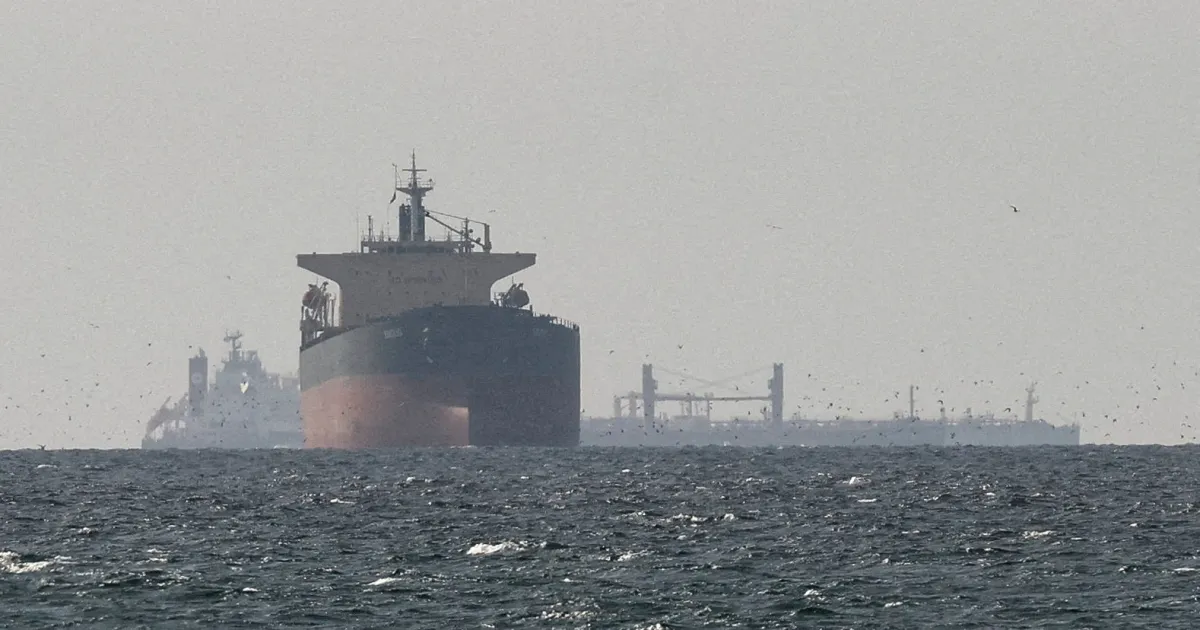
The global energy crisis is worsening due to escalating tensions in the Strait of Hormuz and rising oil prices, placing Asian economies under increasing pressure, including transportation, production, and living costs. In this context, the effects of the crisis are becoming evident in both China and Japan, where the two countries are striving to secure energy supplies and avoid broader repercussions that could impact economic growth and stability.
According to Al Jazeera's Beijing bureau chief, Shaimaa Jouei, the crisis is directly affecting the aviation sector, with airlines in China raising fuel surcharges by 34% to 37%. Fuel accounts for approximately 30% to 40% of operating costs, which increases the financial burden on airlines.
Details of the Event
The maritime shipping sector in China has also seen a significant increase, with prices jumping by about 7% according to Shanghai Stock Exchange data, reflecting the impact of rising oil prices on global trade and supply chains. With fuel prices continuing to fluctuate, transportation and courier companies in China have begun adjusting their prices weekly, adding to the pressures on consumers.
On the political front, energy talks between China and the Philippines reflect a trend towards enhancing cooperation in energy security, especially after Manila declared a state of emergency due to supply shortages. The Philippines is exploring the possibility of importing fuel from China, which possesses a substantial strategic reserve.
Background & Context
Conversely, the situation poses a strategic challenge for Japan, which relies on the Strait of Hormuz for about 90% of its oil needs. Any threat to maritime routes poses a direct risk to its energy security. Japan has turned to alternative routes for oil imports, including the Red Sea and Central Asian countries, but these options double transportation costs compared to traditional routes.
The Japanese government is attempting to contain the crisis through a support program costing around $5 billion to stabilize fuel prices, amid growing concerns about negative repercussions on the currency and financial markets.
Impact & Consequences
In Bangkok, the Thai government has swiftly moved to form task forces to monitor fuel prices and refining costs, intensifying efforts to secure alternative supplies from various countries. The crisis has begun to reflect on living conditions, with markets experiencing a decline in tourism activity, affecting restaurants and sectors linked to tourism and food production.
The fishing sector has been significantly impacted, with most boats ceasing operations due to rising fuel costs, signaling broader repercussions on food supply chains. As tensions persist and political solutions remain elusive, forecasts indicate that the crisis is likely to escalate further, potentially driving energy prices higher and deepening pressures on Asian economies and consumers.
Regional Significance
The current energy crisis has direct implications for the Arab region, where many Arab countries depend on oil exports. Any increase in oil prices could lead to heightened economic pressures on oil-importing countries and affect the stability of financial markets. Additionally, tensions in the Strait of Hormuz could exacerbate security situations in the region, necessitating urgent diplomatic efforts to resolve the crisis.
In conclusion, the global energy crisis remains a significant challenge that requires international coordination to secure supplies and alleviate economic pressures on affected countries.