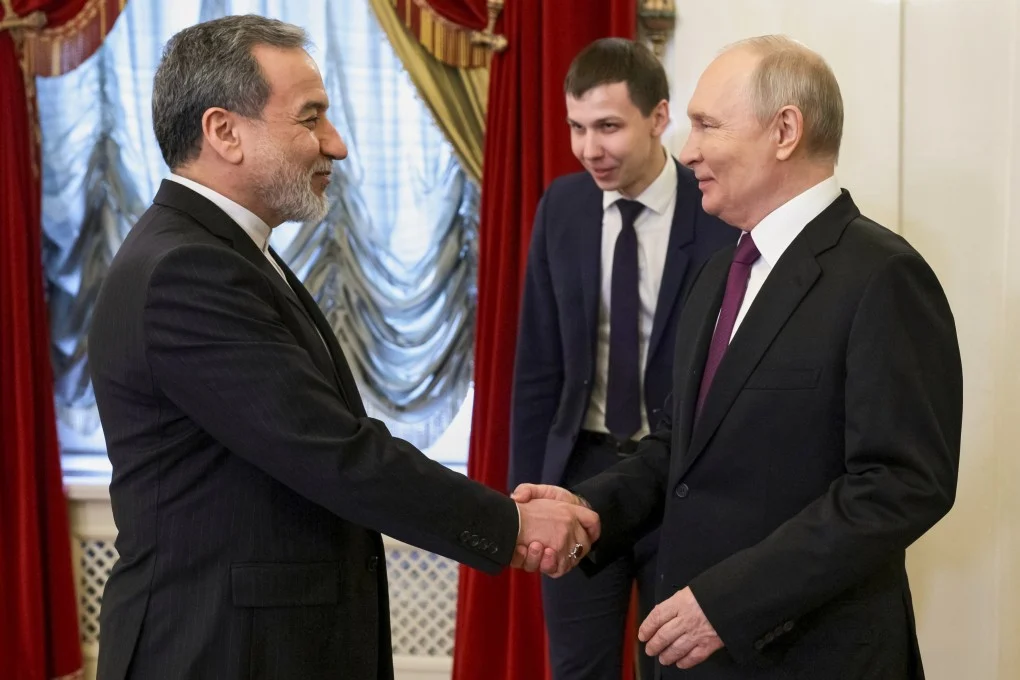
In a context of active diplomatic maneuvers, Iranian Foreign Minister Abbas Araghchi met with Russian President Vladimir Putin in St. Petersburg, where discussions centered on the current conditions in the Middle East. This meeting follows high-level mediation efforts that took place in Islamabad over the weekend, reflecting a growing interest from major powers in resolving regional conflicts.
This meeting coincided with U.S. President Donald Trump preparing to hold a meeting with senior national security advisors to assess a new Iranian proposal delivered through Pakistan. The proposal aims to end the ongoing crisis in the region and reopen the Strait of Hormuz, a vital artery for global oil trade.
Details of the Meeting
The meeting between Araghchi and Putin occurred at a sensitive time, as tensions in the region have escalated over the past months. The Iranian foreign minister emphasized the importance of cooperation with Russia in facing common challenges, especially amid increasing U.S. pressures on Tehran. On the other hand, Putin expressed Russia's support for Iranian efforts to achieve stability in the region, reflecting a strategic alliance between the two countries.
The new Iranian proposals include steps aimed at reducing military tensions in the Gulf and providing security guarantees for all parties involved. They also focus on the necessity of direct dialogue among all concerned nations, including the United States, to reach lasting solutions.
Background & Context
Historically, Iranian-Russian relations have witnessed significant rapprochement in recent years, particularly in light of the multiple crises facing Iran. Following the U.S. withdrawal from the Iranian nuclear deal in 2018, Tehran began seeking new allies to bolster its position on the international stage. Russia has supported Iran on various issues, including the conflict in Syria.
Simultaneously, the United States is grappling with internal and external challenges that necessitate a reassessment of its strategies in the Middle East. The new Iranian proposal could represent an opportunity for Trump to demonstrate his ability to achieve positive outcomes in foreign policy, especially with the upcoming U.S. presidential elections.
Impact & Consequences
If the Iranian proposal is accepted, it could lead to a de-escalation of tensions in the region, positively impacting oil prices and global financial markets. It may also open the door for broader dialogue among major powers regarding regional security issues. However, the question remains regarding the extent of the United States' willingness to engage with these initiatives, particularly amid internal divisions over foreign policy. The outcomes of these negotiations could affect relations between the United States and its allies in the region, including the Gulf Arab states.
Regional Significance
These diplomatic moves come at a critical time, as they could influence the stability of the region and global oil markets. The potential for improved relations between Iran and Russia may shift the dynamics of power in the Middle East, prompting other nations to reconsider their positions. The unfolding events will be closely monitored by international stakeholders, as they could set the stage for future negotiations involving key players in the region.
In conclusion, the meeting between Araghchi and Putin signifies a pivotal moment in regional diplomacy, with the potential to reshape alliances and influence the geopolitical landscape in the Middle East.