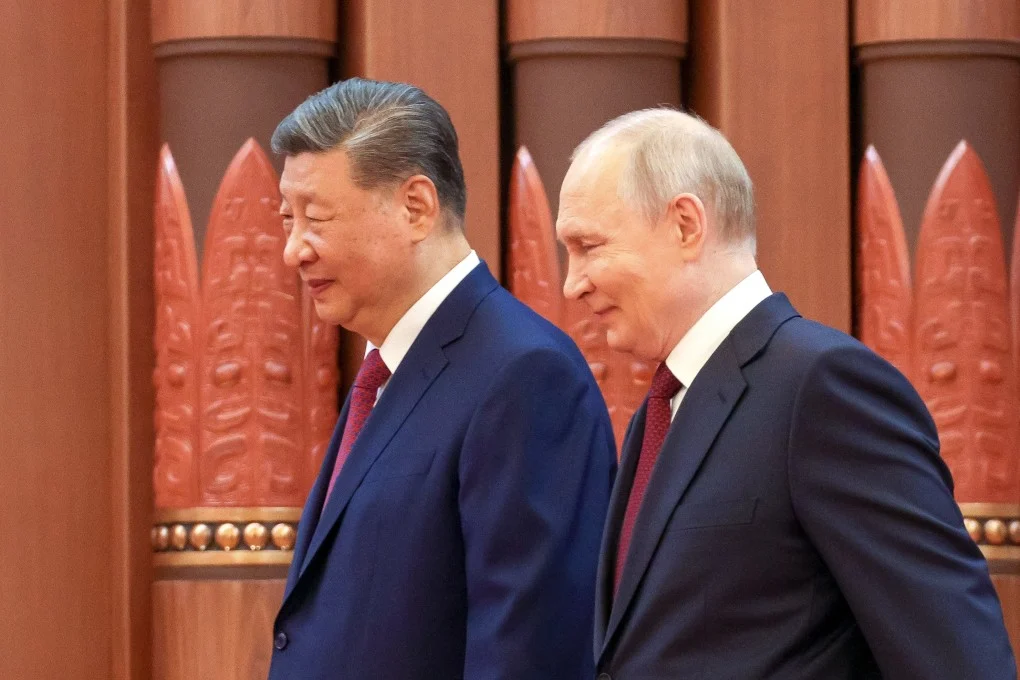
Reports indicate that cooperation between China and Russia in the fields of science and technology could contribute to ending the isolation faced by the United States, enabling the international scientific community to return to normal amidst increasing geopolitical tensions. This was highlighted during a summit that brought together leaders from both countries in Beijing, where experts expressed hope that the summit would yield positive results that enhance scientific collaboration between the two nations.
This cooperation is seen as a strategic move aimed at providing an alternative to the prevailing Western model of scientific collaboration, as both China and Russia seek to strengthen their positions in the global scientific arena. Given the current circumstances, there appears to be a shift in the scientific focus from the West to the East, which could alter the dynamics of scientific research and technological development worldwide.
Details of the Summit
During the summit held in Beijing, Chinese and Russian leaders discussed ways to enhance cooperation across various fields, including biotechnology, artificial intelligence, and renewable energy. Experts noted that this collaboration could help overcome obstacles imposed by American policies, allowing scientists and researchers from both countries to work together more effectively.
The importance of knowledge and experience exchange between scientists from both nations was also emphasized, as this could contribute to developing innovative solutions to global challenges such as climate change and pandemics. This collaboration may also open new avenues for scientific research in areas that were previously inaccessible.
Background & Context
Over the years, the relationship between China and Russia has seen significant development, especially amid increasing tensions with the West. This cooperation is not new, but it is currently accelerating due to the geopolitical challenges facing both countries. Historically, there have been previous attempts to enhance scientific collaboration between them, but the current conditions may be the most conducive for achieving this.
Western sanctions against Russia due to the conflict in Ukraine have pushed Moscow to strengthen its ties with Beijing. At the same time, China is striving to enhance its status as a global scientific power, making this cooperation even more significant.
Impact & Consequences
This cooperation could have far-reaching effects on the global scientific landscape. If China and Russia succeed in strengthening their partnership, it could lead to the emergence of new models of scientific collaboration, changing the way research and development are conducted worldwide. This shift may also create new challenges for the United States and Western countries, which may find themselves in a defensive position against this growing collaboration.
Moreover, this cooperation could enhance innovation across multiple fields, contributing to the development of new technologies that may have positive impacts on the global economy. Additionally, this collaboration could open the door for other countries to partner with China and Russia, further complicating the international scientific landscape.
Regional Significance
Considering the situation in the Arab region, this cooperation could have positive implications. With increasing interest in technology and innovation in Arab countries, these nations may find opportunities to collaborate with China and Russia in areas such as renewable energy and biotechnology. This collaboration could contribute to sustainable development in the region, benefiting Arab nations.
In conclusion, the cooperation between China and Russia in the fields of science and technology represents an important step towards reshaping the global scientific landscape. As geopolitical tensions continue, this collaboration may serve as a model for other countries, redefining how scientific cooperation is approached in the future.