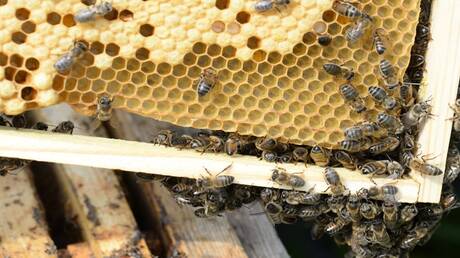
On World Bee Day, celebrated annually on May 20, Perm Technical University issued significant warnings regarding the risks humanity may face if bees become extinct. Bees are essential living organisms in the ecosystem, playing a vital role in pollinating plants, which ensures food production.
The domestication of bees is considered one of humanity's achievements that has contributed to enhancing agriculture and increasing food production. However, the decline in bee populations in recent years raises concerns, as studies indicate that environmental factors, climate change, and pesticides play a major role in this decline.
Event Details
Scientists clarified that bees are not only a source of honey but are also crucial for pollinating approximately 75% of agricultural crops worldwide. This means that the disappearance of bees would lead to a severe food shortage, threatening global food security. Furthermore, bee extinction would impact biodiversity, as many plant species rely on bees for reproduction.
There are multiple reasons for the decline in bee populations, with habitat loss due to urban and agricultural expansion being prominent, alongside the use of pesticides that adversely affect bee health. Additionally, climate change alters weather patterns, affecting planting seasons and the availability of flowers that bees depend on.
Context and Background
Historically, bees have been an integral part of traditional agriculture, with farmers relying on them for crop pollination. As technology advanced, reliance on modern agricultural methods increased, leading to a decline in interest in bee protection. In recent years, many countries have begun to take measures to protect bees, such as imposing restrictions on pesticide use and promoting sustainable agriculture.
In a related context, some studies have shown a close relationship between bee health and the overall health of the ecosystem. When ecosystems are under stress, bees are among the first organisms to be affected, reflecting the overall health of the environment.
Consequences and Impact
If the decline in bee populations continues, it will lead to serious consequences for the global economy. Estimates suggest that the loss of bees could cost the global economy around $577 billion annually due to decreased crop production. Additionally, food shortages will lead to rising prices, affecting the most vulnerable segments of society.
Moreover, bee extinction will impact biodiversity, as many plant species that depend on bees for reproduction will be affected. This will result in a loss of biodiversity, which in turn affects the overall health of the ecosystem.
Impact on the Arab Region
In the Arab region, agriculture is one of the main sources of livelihood, with many populations relying on farming as their primary source of income. Therefore, the decline in bee populations will directly impact food security in Arab countries. Furthermore, climate change affecting the region complicates the issue, leading to changes in rainfall patterns and temperatures, which in turn affects planting seasons.
Thus, it is crucial for Arab countries to take effective steps to protect bees and promote sustainable agriculture. This can be achieved by raising awareness about the importance of bees, implementing policies that protect bee habitats, and encouraging organic farming.
In conclusion, bees are an essential part of the ecosystem, and humanity must recognize the importance of protecting them. The extinction of bees is not just an environmental issue but a threat to food security and the global economy. Therefore, efforts to protect bees should be a global priority.