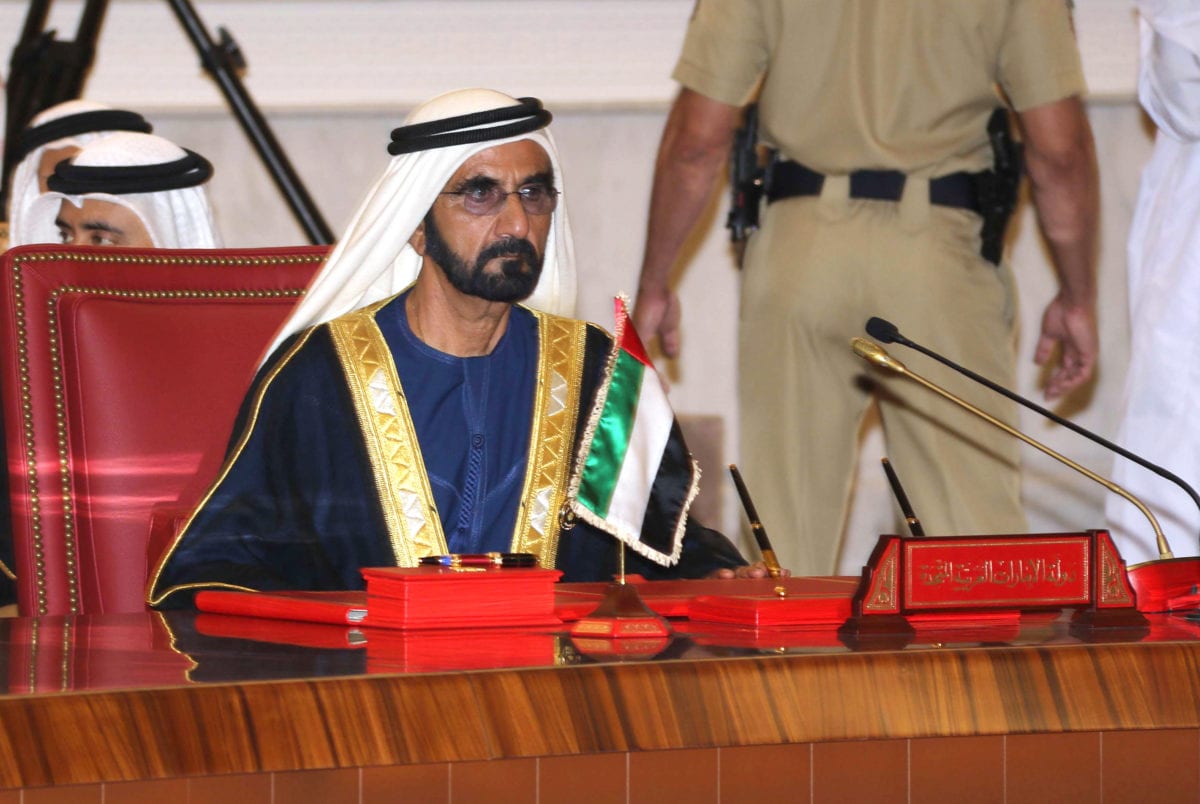
Recent developments in Gulf relations have seen new initiatives aimed at strengthening cooperation among member states. These efforts come at a critical time that requires collective action to address regional challenges. During a meeting of the leaders of the Gulf Cooperation Council (GCC), the importance of unity and cooperation in the fields of economy and security was emphasized.
Many vital issues were discussed, including regional security, economic cooperation, and infrastructure development. The leaders highlighted the necessity of enhancing trade relations among member states and facilitating the movement of trade and investment.
Event Details
In a meeting held in the capital, Riyadh, the challenges facing the region were reviewed, including political and security tensions. The leaders affirmed the importance of dialogue and understanding as a means to resolve conflicts. A joint investment fund was also announced to support developmental projects in member states.
The importance of cooperation in the fields of energy and the environment was also addressed, with an agreement reached to exchange expertise and technology to achieve sustainable development. The leaders expressed optimism about the future of Gulf cooperation, noting that these initiatives would contribute to enhancing stability in the region.
Background & Context
Historically, Gulf relations have experienced numerous fluctuations, influenced by various political and economic factors. However, the GCC countries have managed to overcome many crises through enhanced cooperation and coordination. These new initiatives are part of a long-term vision to strengthen Gulf integration.
In recent years, the region has witnessed radical changes in the political landscape, prompting Gulf countries to reassess their strategies. Recent events have underscored the importance of cooperation among member states to address common challenges.
Impact & Consequences
Strengthening Gulf cooperation will have positive effects on regional stability. Through joint efforts, member states can more effectively confront economic and security challenges. These steps will also enhance the Gulf countries' ability to compete in global markets.
Moreover, cooperation in the fields of energy and the environment will contribute to achieving sustainable development, benefiting the Gulf peoples. These initiatives reflect the commitment of member states to achieve a better future for their populations.
Regional Significance
The Gulf relations are pivotal in the Arab context, playing an important role in promoting stability and development in the region. Cooperation among Gulf countries can serve as a model for other Arab nations, especially in light of the challenges facing the region.
These steps also reflect the Gulf countries' desire to enhance their role on the regional and international stage, which may contribute to improving relations with other countries. Strengthening Gulf cooperation will have positive effects on security and stability in the Arab region as a whole.
In conclusion, these new developments in Gulf relations reflect the commitment of member states to achieve cooperation and integration. These initiatives represent an important step towards enhancing stability and development in the region, opening new horizons for Arab cooperation.