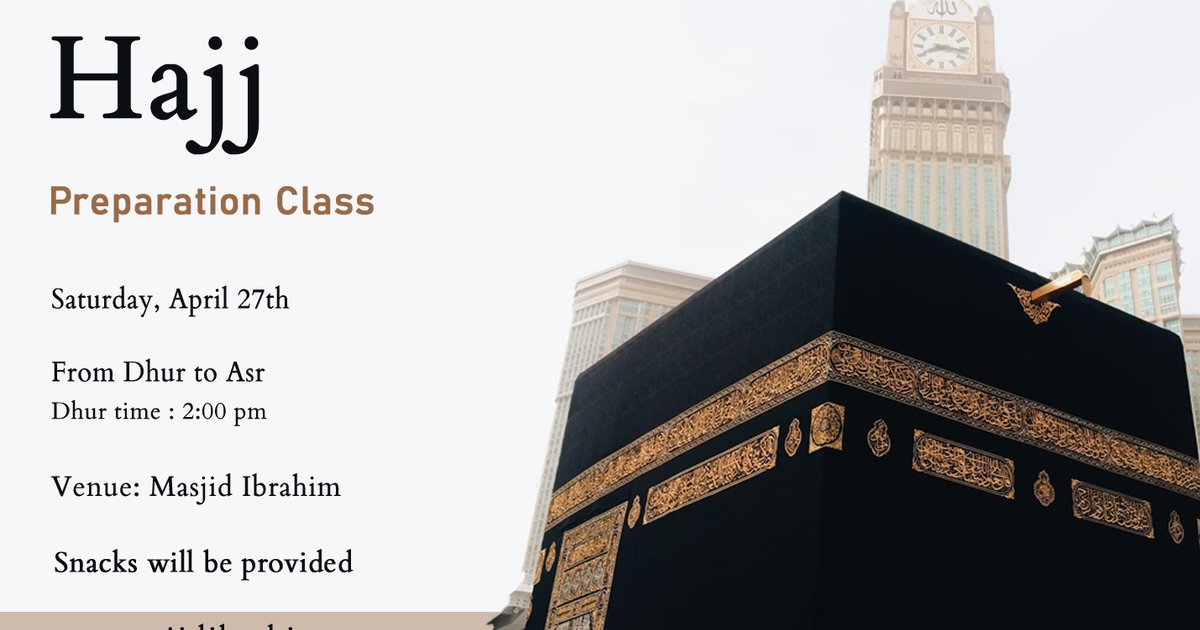
Nutrition expert from the University of Valithan in Sirran, Dr. Rita Ramayoulis, has urged pilgrims preparing for Hajj to organize their diet and drink fluids regularly at least a month before their travel date. These tips aim to enhance the physical capacity and fitness required to perform religious rituals.
Ramayoulis pointed out that following a balanced diet that includes low-fat proteins, fruits, and fluids is essential. Proteins play a vital role in building and strengthening muscles, which pilgrims need during their rituals.
Details of the Recommendations
Ramayoulis confirmed that suitable sources of protein include boiled eggs, healthily cooked fish, as well as plant-based foods like tofu and tempeh cooked with minimal oil. She also recommended increasing fruit consumption to five servings daily, as fruits help support metabolism and boost the body's immunity.
On the other hand, she advised pilgrims to reduce their intake of foods high in sugar and fat, as well as processed foods that may negatively affect their health. These dietary changes will help pilgrims maintain their health during the Hajj period.
Background & Context
The Hajj rituals are among the most significant religious practices in Islam, with millions of Muslims from around the world traveling to Mecca to fulfill this obligation. With the increasing number of pilgrims, the importance of proper health preparation becomes evident, especially since Hajj requires significant physical effort.
Historically, there have been many health tips provided to pilgrims, but with the advancement of medical and nutritional knowledge, it has become essential to offer precise guidelines that meet the needs of pilgrims, especially considering the harsh climatic conditions they may face in Mecca.
Impact & Consequences
The dietary advice provided by Ramayoulis is a crucial step towards improving the Hajj experience, as good health enhances pilgrims' ability to perform rituals more effectively. Following a healthy diet can reduce the risks of illness or fatigue during the Hajj period.
Moreover, improving the overall health of pilgrims can contribute to reducing the pressure on healthcare facilities in Mecca, facilitating the provision of necessary care for those who need it.
Regional Significance
The importance of these tips extends beyond individuals, reflecting a collective concern for the health of the Islamic community. With the increasing number of pilgrims from Arab countries, raising health awareness among them can contribute to improving public health in the region.
In conclusion, pilgrims should take these recommendations into account to ensure a comfortable and healthy Hajj experience, highlighting the importance of good planning and physical and mental preparation before travel.