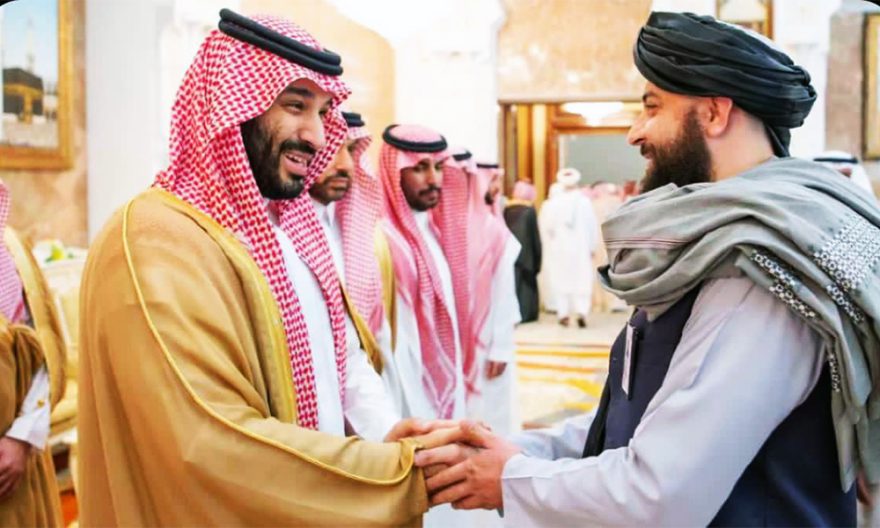
The Governor of Medina, Prince Faisal bin Salman, held an important meeting with the Minister of Hajj and Umrah, Dr. Tawfiq Al-Rabiah, aimed at enhancing the efficiency of services provided to pilgrims and Umrah performers. This meeting comes at a critical time as the Kingdom prepares to welcome an increasing number of visitors during the Hajj and Umrah seasons, necessitating continuous improvements in service levels.
During the meeting, future plans aimed at elevating the quality of services were reviewed, including enhancements in transportation, accommodation, and healthcare for pilgrims. Prince Faisal emphasized the importance of providing a distinguished experience for visitors, noting that Medina is a significant religious destination and that the services offered should reflect this importance.
Event Details
The meeting addressed several key areas related to service efficiency, discussing ways to improve coordination among relevant authorities, including the Ministry of Hajj and Umrah and other government entities. The importance of utilizing modern technology to enhance services was also highlighted, such as smartphone applications that facilitate pilgrims in obtaining necessary information.
The discussion also touched on the significance of training and qualifying personnel in this sector to ensure high-quality service delivery. The Minister of Hajj pointed out that the ministry is working on developing specialized training programs for workers in the field of Hajj and Umrah services, contributing to improved performance levels.
Background & Context
Medina is considered one of the holiest cities in Islam, attracting millions of pilgrims and Umrah performers annually. As the number of visitors increases, the need to improve the services provided to them also grows. The Kingdom of Saudi Arabia, under the leadership of the Custodian of the Two Holy Mosques, continuously strives to offer the best services to the guests of Allah, which requires ongoing efforts and collaboration among various entities.
In recent years, the Kingdom has witnessed significant developments in infrastructure and services provided to pilgrims, including transportation and public facility development projects. This progress aligns with the Saudi Vision 2030, which aims to enhance religious tourism and improve the visitor experience.
Impact & Consequences
Improving service efficiency in Medina has positive implications for the local economy, as it contributes to an increase in visitor numbers and, consequently, revenue growth. Additionally, providing high-quality services enhances the Kingdom's reputation as a religious destination, attracting more visitors from around the world.
Moreover, enhancing services contributes to improving the security and safety of pilgrims, positively reflecting on the visitor experience. This is essential given the challenges the Kingdom faces in the field of religious tourism.
Regional Significance
The Kingdom's efforts to improve Hajj and Umrah services serve as a model for the Arab region. These efforts can foster cooperation among Arab countries in the field of religious tourism, benefiting all parties involved.
Furthermore, enhancing services in Medina may encourage other countries to develop their tourism programs, contributing to the overall enhancement of tourism in the region.
In conclusion, the meeting between the Governor of Medina and the Minister of Hajj represents an important step towards improving the services provided to pilgrims and Umrah performers. Enhancing the efficiency of these services is not only a religious duty but also an investment in the future of religious tourism in the Kingdom.