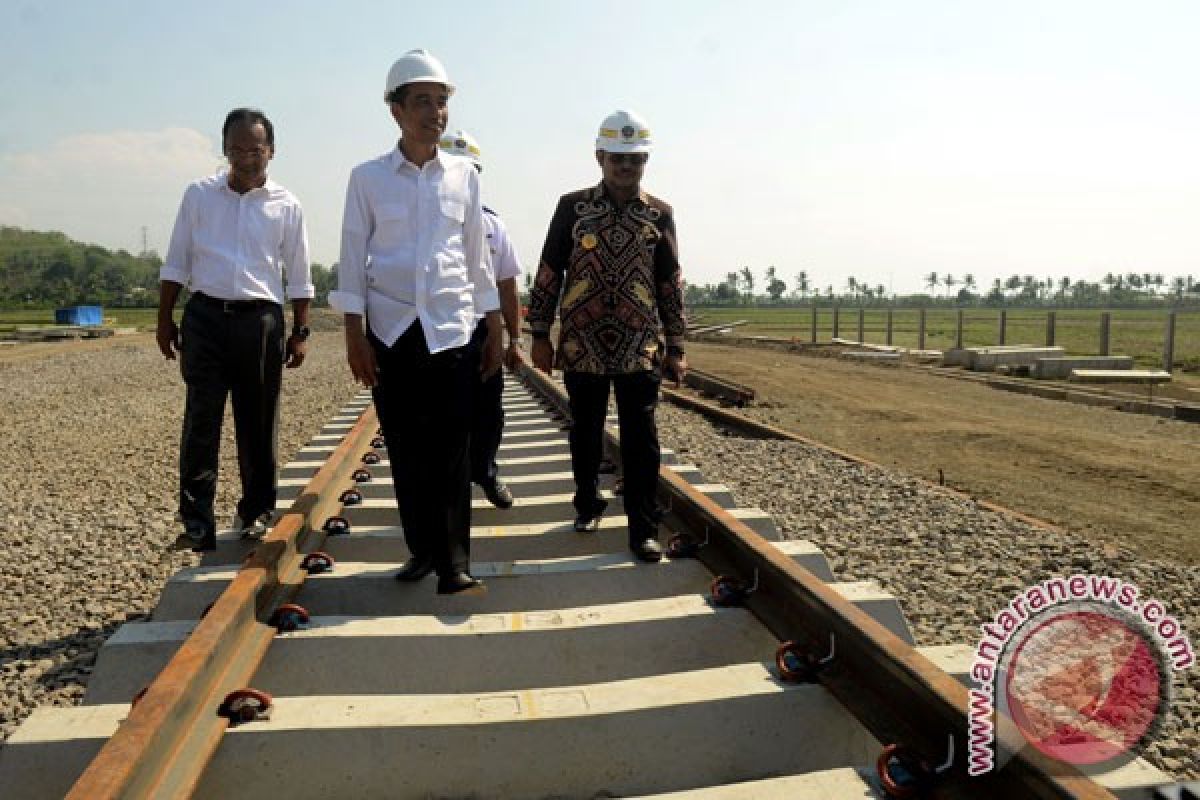
The Indonesian Railway Company (PT Kereta Api Indonesia) has unveiled its plans to enhance public transport by developing an electric railway system in urban areas. This announcement comes at a time when the demand for public transport is witnessing a significant increase, as Indonesian President Joko Widodo aims to improve the railway system as part of the national development plan.
These plans coincide with a notable rise in mobility between urban areas, with figures indicating that the number of users of railway services in the Rangkasbitung area has surged significantly, reflecting the urgent need to expand the electric railway network.
Details of the Initiative
According to statistics, railway services in the Rangkasbitung area have seen an increase in users from 43.3 million in 2022 to 77.5 million in 2025. Additionally, local railway services between Rangkasbitung and Merak have risen from 3.6 million users in 2023 to 4.5 million in 2025.
In the Bogor area, the number of railway service users has increased from 102 million in 2022 to 155 million in 2025. Meanwhile, railway services between Bogor and Sukabumi have also seen a significant increase, reflecting the growing demand for public transport.
Background & Context
Historically, Indonesia has witnessed significant development in its public transport system, with railways being a crucial part of the transportation infrastructure. With the rising population and economic growth, it has become essential to improve and expand the railway network to meet citizens' needs.
The Indonesian government aims to enhance transportation infrastructure as part of a comprehensive vision to improve the quality of life in major cities. These plans represent an important step towards achieving sustainable development goals.
Impact & Consequences
The plans to develop an electric railway system are a strategic step towards improving transportation efficiency and reducing carbon emissions. Estimates suggest that the electric railway system will contribute to a reduction in carbon dioxide emissions by approximately 8.2 to 8.6 million tons annually.
This shift towards electric transport reflects Indonesia's commitment to transitioning to clean energy sources, contributing to environmental protection and improving air quality in urban areas.
Regional Significance
Indonesia's experience in developing an electric railway system serves as a model for many Arab countries seeking to improve their public transportation infrastructure. Arab nations can benefit from this experience in developing sustainable transport systems that support economic growth and reduce pollution.
Given the environmental challenges facing the region, enhancing electric public transport can contribute to achieving sustainable development goals and improving the quality of life in Arab cities.