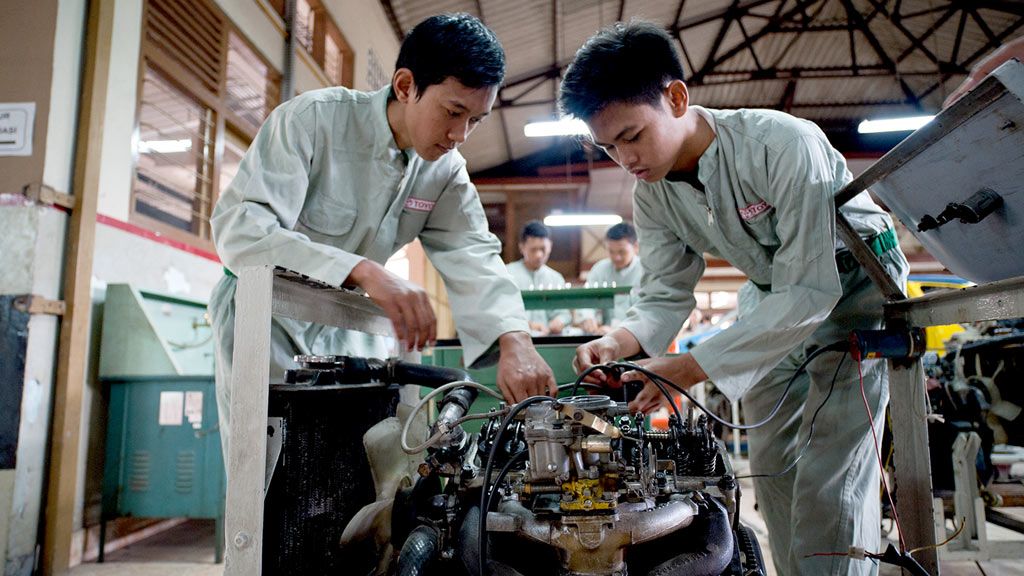
Indonesian Coordinating Minister, Mohimin Iskandar, called for the enhancement of quality standards in vocational education (SMK) during a press conference held in Tangerang. Iskandar asserted that improving the quality of vocational education is a fundamental step to empower Indonesian youth to compete in global markets.
The minister stressed the importance of updating curricula and providing appropriate practical training for students, which contributes to equipping them with the necessary skills that align with labor market demands. He also noted that the Indonesian government aims to achieve integration between vocational education and various economic sectors.
Event Details
During the conference, several initiatives aimed at improving the quality of vocational education were presented, including partnerships with private companies to provide practical training opportunities for students. Plans were also announced to incorporate modern technologies into the curricula, helping students acquire skills that keep pace with rapid technological advancements.
Iskandar discussed the importance of partnerships between educational institutions and the private sector, as such collaborations can contribute to developing educational programs that meet market needs. He confirmed that the government will work to provide the necessary support to educational institutions to achieve these goals.
Background & Context
This initiative comes at a time when Indonesia is experiencing significant changes in the labor market, with an increasing need for new skills that align with technological developments. Studies have shown that vocational education can play a crucial role in equipping youth with the skills needed to enter the job market.
Historically, vocational education in Indonesia has suffered from a lack of quality and resources, negatively impacting graduates' competitiveness. However, the current government is striving to change this situation through substantial investments in education and vocational training.
Impact & Consequences
Improving the quality of vocational education can have positive effects on the Indonesian economy as a whole. With an increasing number of qualified graduates, job opportunities may rise, and productivity across various sectors can improve. Additionally, enhancing vocational education can help reduce unemployment rates among youth.
Furthermore, improving the quality of vocational education can enhance Indonesia's ability to attract foreign investments, as companies seek trained and qualified labor. This, in turn, can contribute to achieving sustainable development for the country.
Regional Significance
Indonesia's experience in enhancing vocational education serves as a model for many Arab countries facing similar challenges in their labor markets. Many Arab nations suffer from high youth unemployment rates, necessitating the improvement of vocational education and training quality.
Arab countries can benefit from Indonesia's experiences by strengthening partnerships between the public and private sectors and developing curricula to meet labor market needs. Investing in vocational education can also contribute to achieving economic and social development in the region.