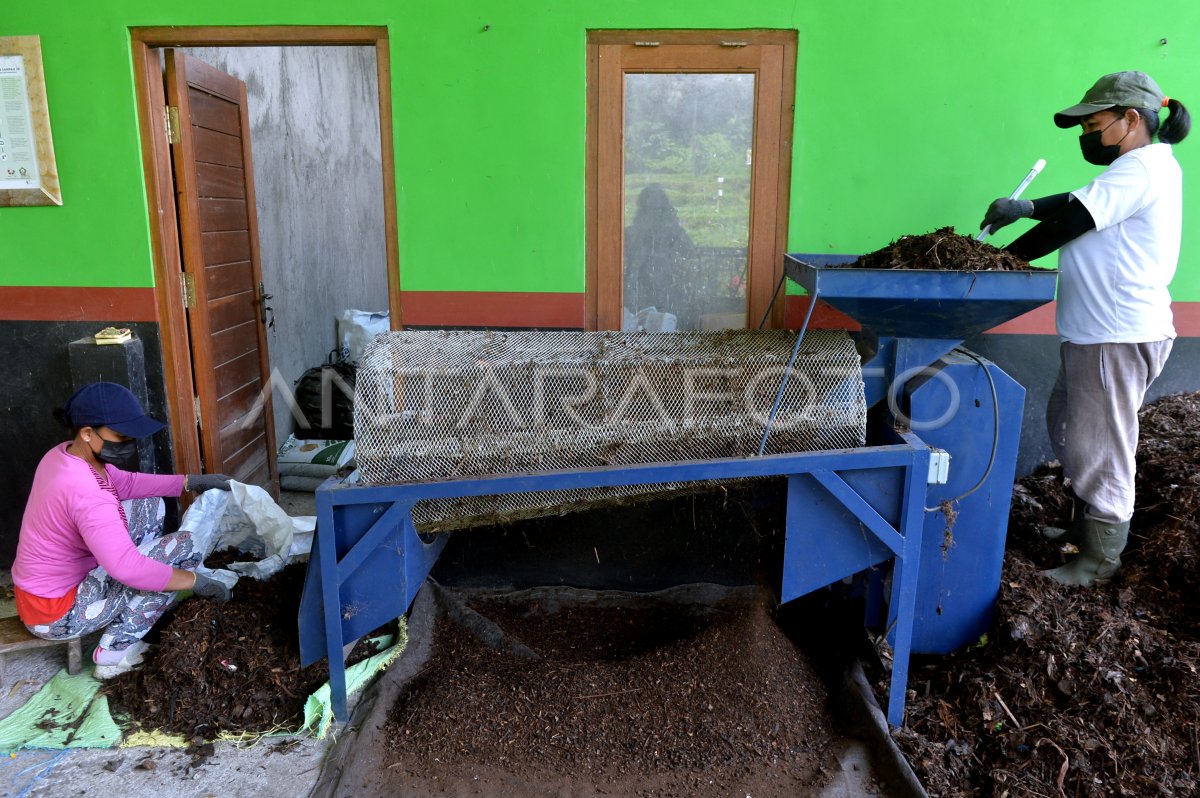
The Kedir government in East Java has announced its efforts to enhance waste management through the TPS 3R (Waste Processing Place: Reduce, Reuse, Recycle) system, as part of its strategy to minimize the amount of waste sent to landfills. The head of the city's Environment and Sanitation Department, Indun Munawaroh, confirmed that this system will significantly contribute to improving waste management.
Indun noted that the city has nine TPS 3R sites where waste is processed efficiently. She mentioned that the daily waste volume in Kedir reaches approximately 150 tons, most of which is generated from household waste. This system aims to sort waste by type, facilitating the recycling of usable materials.
Details of the Initiative
Under this system, waste is sorted into different categories, where organic waste can be processed into compost, while plastic and paper waste can be recycled. Indun explained that organic waste can be converted into compost at the TPS 3R sites, contributing to reducing the environmental impact of waste.
However, the city has faced some challenges, including issues with local residents regarding compensation related to the Klutok landfill site. This led to a six-day halt in waste collection services, as residents blocked the road leading to the landfill, demanding financial compensation.
Background & Context
Waste management is a critical issue facing many cities worldwide, especially in developing countries. The amount of waste continues to increase due to population growth and urban expansion. Studies have shown that effective waste management can improve quality of life and reduce environmental pollution.
The Kedir government aims to implement the TPS 3R model as part of its comprehensive waste management strategy, aligning with national laws related to waste management. This system is seen as a model for many other cities facing similar challenges.
Impact & Consequences
Kedir's efforts to improve waste management represent a positive step towards achieving a cleaner and more sustainable environment. By enhancing the TPS 3R system, the city can reduce pressure on landfills, contributing to environmental protection. Additionally, these efforts raise environmental awareness among residents, encouraging them to participate in waste management initiatives.
Improving waste management can also lead to the creation of new job opportunities in recycling and waste processing, thereby boosting the local economy. These initiatives may inspire other cities in Indonesia and neighboring countries to adopt similar models.
Regional Significance
Many Arab countries face similar challenges in waste management, with increasing waste generation due to population growth and urban expansion. Kedir's experience can serve as a model for Arab countries seeking to improve their waste management practices. By implementing similar systems, Arab nations can achieve significant environmental and economic benefits.
In conclusion, Kedir's efforts to enhance the TPS 3R system represent an important step towards improving waste management, contributing to environmental protection and enhancing residents' quality of life. The success of this initiative could serve as a model for cities worldwide.