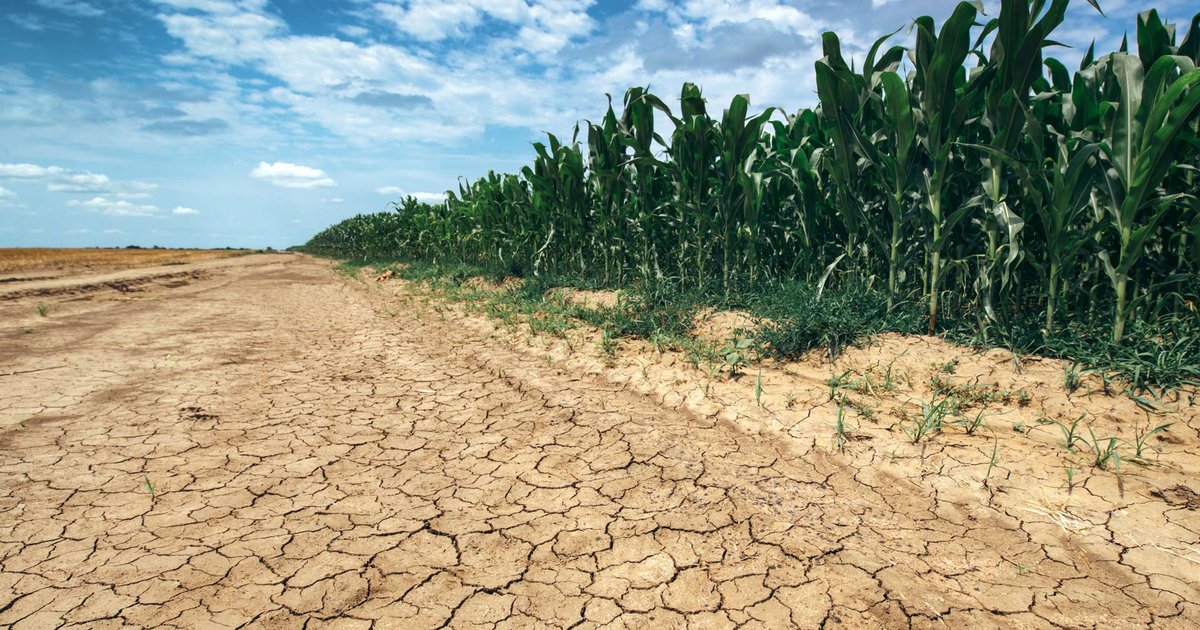
In a strategic move to tackle the growing challenges of drought, the Indonesian Ministry of Agriculture, in collaboration with the Ministry of Public Works, has announced the enhancement of irrigation systems in Central Java. This collaboration aims to improve water management and increase agricultural production, contributing to national food security.
Sam Herudian, the special advisor to the Minister of Agriculture, emphasized that the government is striving to strengthen water resource management as part of its strategy to increase agricultural indicators and productivity in the country. He pointed out that coordination between regions, especially on the island of Java, is a crucial element in maintaining food production stability.
Event Details
This announcement comes at a critical time, as Indonesia is expected to face significant challenges in the agricultural sector in the coming months, particularly from April to May. Officials have stressed the importance of maintaining morale in the face of these challenges, as the government seeks to ensure the sustainability of food security.
Officials also highlighted the importance of improving water management in rice cultivation, where the quantities of water used must be balanced to achieve better productivity. Herudian confirmed that coordination between water management and agricultural patterns can lead to improved production efficiency.
Background & Context
Historically, Indonesia has suffered from drought-related issues that have negatively impacted agricultural production. With the increasing climate changes, it has become essential to take proactive measures to address these challenges. The government has launched several programs to improve agricultural infrastructure, including irrigation systems, to ensure the sustainability of agricultural production.
In recent years, there has been a greater focus on developing modern irrigation techniques, such as drip and sprinkler irrigation, which are considered more efficient in water usage. Additionally, cooperation between the government and farmers has been strengthened to ensure the effective implementation of these technologies.
Impact & Consequences
These steps are part of a broader strategy aimed at enhancing food security in Indonesia. By improving water management, agricultural production can be increased, which contributes to reducing reliance on food imports. Furthermore, enhancing production efficiency can bolster the country's ability to face potential food crises.
Moreover, improving irrigation systems can help reduce poverty in rural areas, where many residents rely on agriculture as their primary source of income. Thus, these efforts will lead to an improved standard of living in these regions.
Regional Significance
Many Arab countries also face similar challenges related to water management and food security. As pressures from climate change increase, it becomes essential to exchange experiences and technologies among countries. Indonesia's experiences in improving water management could be beneficial for Arab nations suffering from water scarcity.
In conclusion, the steps taken by Indonesia serve as a model for how to address drought challenges and improve agricultural production. It is crucial for countries to collaborate in sharing knowledge and experiences to ensure food security amid changing climatic conditions.