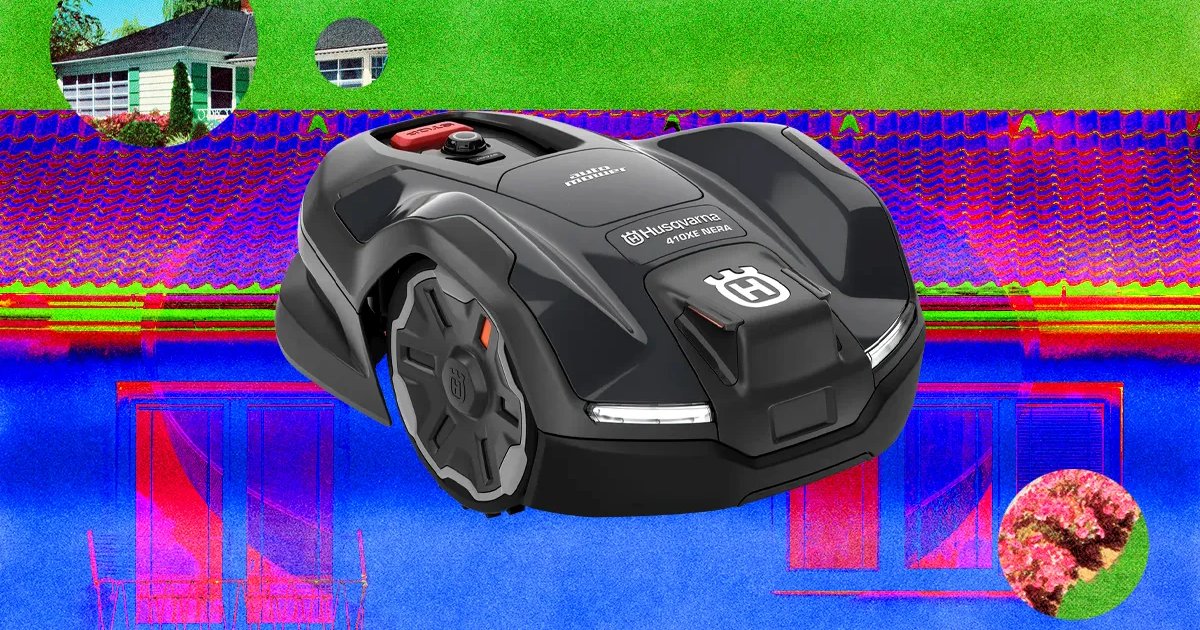
Robotic lawn mowers have evolved significantly in recent years, becoming more effective and user-friendly. With a growing number of affordable options, homeowners can now maintain their gardens better without the need for extensive effort.
Previously, robotic lawn mowers faced numerous issues, such as difficulty in accurately mapping their paths, which often resulted in uncut areas. However, advancements in technology have made these devices smarter and more capable of handling various challenges.
Details of the Developments
The new developments in robotic lawn mowers include improvements in navigation systems, eliminating the need for boundary wires to define cutting areas. Instead, modern models rely on technologies such as GPS and Lidar, allowing them to pinpoint their locations with greater accuracy. These enhancements make it easier for mowers to reach designated areas and return to their charging stations efficiently.
Some advanced models utilize cameras for area and obstacle recognition, helping them avoid hindrances like balls and other objects in the garden. Although this technology is still in development, it represents a significant step toward improving the performance of these devices.
Background & Context
The concept of robotic lawn mowers emerged several years ago, but they were plagued by many drawbacks that made their use inconvenient. Early models required constant maintenance and often malfunctioned or got stuck in unexpected places. However, technological innovations in recent years have greatly improved these devices.
Robotic lawn mowers are part of a broader trend toward automation in daily life, as many seek to save time and effort on household chores. This trend aligns with a growing awareness of the importance of environmental conservation, as these devices contribute to reducing energy and resource consumption.
Impact & Consequences
As the use of robotic lawn mowers increases, we may witness a shift in how gardens and green spaces are managed. This could lead to a reduced need for labor in this field, raising questions about the impact on the job market. However, this technology may also open new opportunities in areas such as maintenance and development.
These developments also present an opportunity to foster innovation in other fields, such as smart agriculture and urban green space management. This technology can enhance the quality of life in urban communities by providing more organized and aesthetically pleasing green spaces.
Regional Significance
In the Arab region, where there is an increasing need to improve the management of green spaces, robotic lawn mowers could be an effective solution. With a growing population and expanding cities, it becomes essential to leverage technology to enhance quality of life. These devices can help maintain public and private gardens better, reflecting a positive image of communities.
In conclusion, robotic lawn mowers represent a step toward the future, contributing to improved quality of life and reducing the effort required for household tasks. As innovation continues in this field, further enhancements in performance and efficiency are expected.