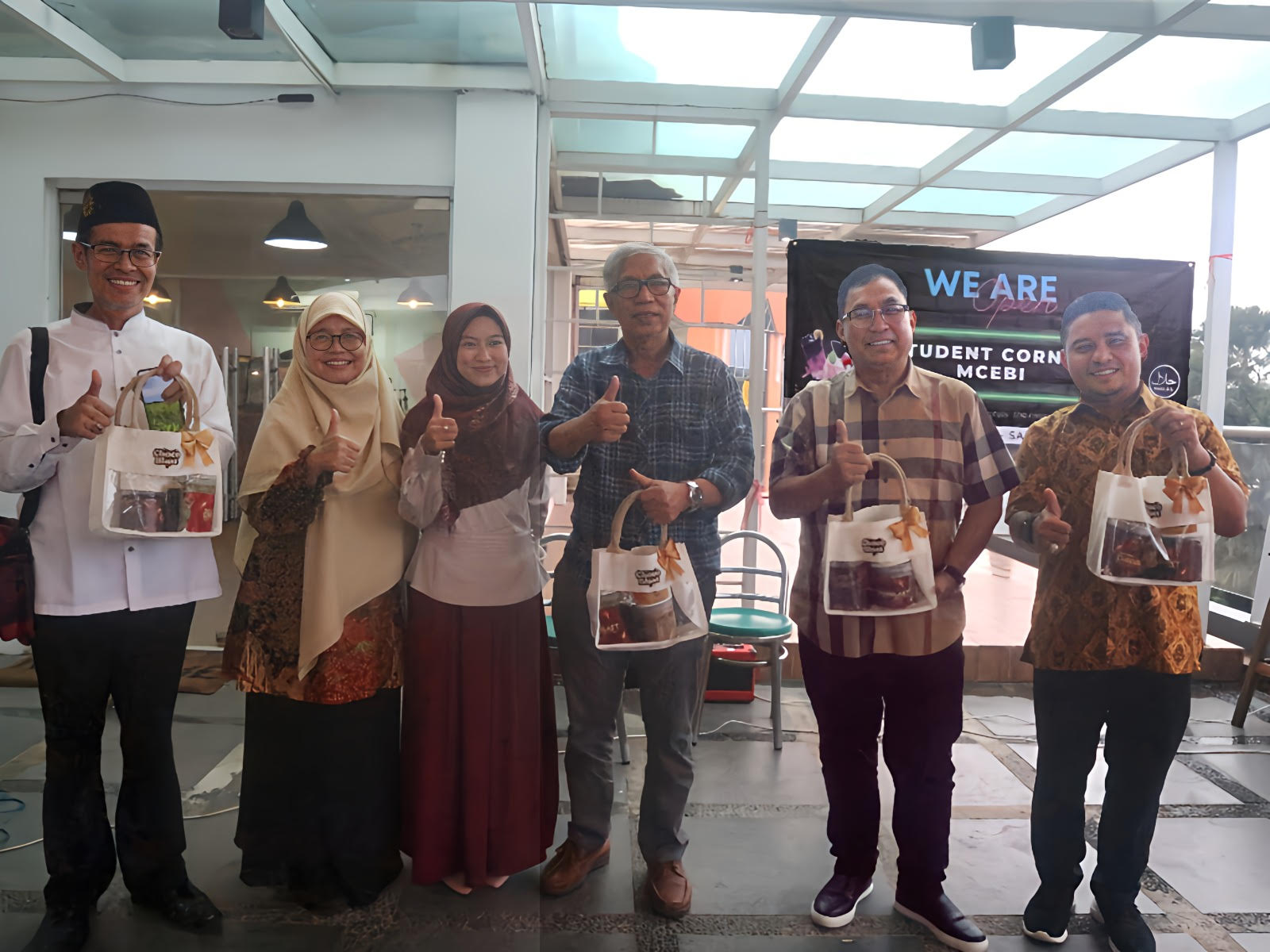
In a move aimed at enhancing zakat performance in Indonesia, the head of the National Zakat Management Agency (Baznas), Sodik Mudjahid, has urged all zakat workers to improve their professional performance during the month of Ramadan. He emphasized that this month is not only a time for worship but also an opportunity for personal development and increasing awareness of the significance of zakat and its impact on society.
During his statements in Jakarta, Mudjahid noted that Ramadan serves as an "intensive training" period to enhance piety, patience, honesty, and discipline, which should be reflected in the performance of zakat workers. He stressed the necessity for the values acquired during this month to be mirrored in individual performance, particularly in maintaining trust and building public confidence in zakat management.
Event Details and Objectives
In the context of enhancing performance, Mudjahid highlighted the importance of elevating Baznas's status in society, emphasizing that the agency should be the first choice when people think of zakat. He also pointed out the significance of easy access to Baznas services, including through digital applications, making it easier for citizens to contribute their zakat.
Baznas has set ambitious goals for national zakat collection, aiming to gather up to 160 trillion rupiah by 2031, with a specific target for Baznas Center reaching 10 trillion rupiah. To achieve these goals, Baznas is working on enhancing digital transformation to improve access to zakat services and foster collaboration with various parties to increase the effectiveness of programs.
Background & Context
The National Zakat Management Agency (Baznas) was established in Indonesia as an independent body aimed at organizing and distributing zakat effectively. Zakat is one of the five pillars of Islam and plays a significant role in achieving social and economic justice in Muslim communities. In recent years, Indonesia has witnessed a notable increase in awareness regarding the importance of zakat, leading to a rise in contributions.
Indonesia is one of the largest Muslim-majority countries in the world; however, there are still many challenges facing zakat management, including transparency and public trust. Therefore, enhancing the professional performance of workers in this field is a vital step toward achieving the desired goals.
Impact & Consequences
Baznas's call for improving the professional performance of zakat workers is an important step toward enhancing public trust in zakat management. By improving performance, the agency can amplify the impact of zakat on beneficiary communities, contributing to an improved standard of living for the most needy.
Moreover, enhancing transparency and credibility in zakat management can lead to an increase in contributions, thereby strengthening Baznas's capacity to achieve its objectives. Amid the economic and social challenges facing Indonesia, zakat represents a powerful tool for achieving sustainable development.
Regional Significance
Indonesia's experience in zakat management serves as a model for Arab countries, where they can benefit from successful practices in enhancing the professional performance of zakat workers. Through the exchange of experiences and cooperation among Islamic countries, the effectiveness of zakat in achieving social and economic development can be enhanced.
In conclusion, enhancing the professional performance of zakat workers is a significant step toward achieving social welfare in Indonesia and can serve as an example for Arab countries in achieving sustainable development goals.