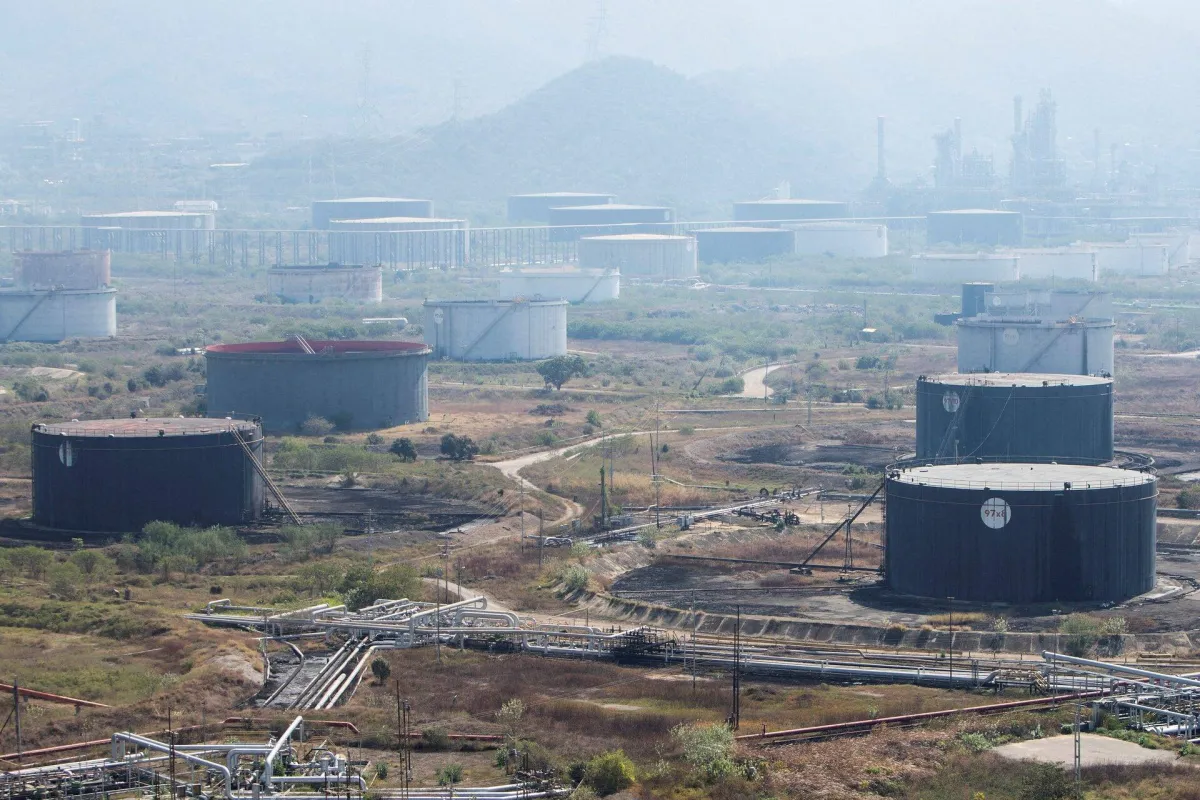
Italian energy giant Eni has announced the resumption of its activities in the heavy crude oil project in the Orinoco Belt, following the signing of an agreement with the Venezuelan Ministry of Oil and the state oil company PDVSA.
In an official statement released on Tuesday evening, Eni confirmed that it has signed a program agreement with the Ministry of Oil and PDVSA to resume oil activities, focusing on the Junin-5 project, where the Venezuelan oil company holds 60% and Eni holds 40%. The Orinoco Belt is considered one of the richest oil fields in the world, containing reserves estimated at 35 billion barrels of proven oil.
Details of the Announcement
This announcement comes at a time when Venezuela is striving to enhance private investment in the oil sector, which has suffered a significant decline in production due to economic sanctions and political crises. The country has undergone radical changes following the arrest of socialist President Nicolas Maduro last January, providing a new opportunity for the interim government led by Delcy Rodriguez to collaborate with the US administration.
The CEO of Eni, Claudio Descalzi, met with Rodriguez in Caracas, where they discussed ways to enhance cooperation between the two sides in the energy sector. This collaboration could contribute to increasing Venezuelan oil production, especially amid the current turmoil in global oil markets.
Background & Context
Historically, Venezuela has been one of the largest oil producers in the world, but US sanctions and internal crises have led to a significant decline in this vital sector. However, the new government is working hard to restore foreign investments, which could revitalize the struggling Venezuelan economy.
This step is part of Venezuela's efforts to rebuild its oil sector, which is considered the backbone of the national economy. In recent years, the country has experienced a sharp decline in production, negatively impacting government revenues.
Impact & Consequences
The resumption of the Junin-5 project is expected to increase oil production, which may help improve the economic situation in Venezuela. Additionally, this project could provide new job opportunities and enhance social stability in the country.
Globally, this development may affect oil prices, especially amid the ongoing disruptions in the Middle East. With the rising demand for oil, an increase in Venezuelan production could help meet the needs of global markets.
Regional Significance
The Arab oil markets are sensitive to any changes in Venezuelan production, as an increase in supplies from Venezuela could impact global prices. Given the ongoing tensions in the Middle East, there may be an urgent need for stability in oil markets, making cooperation among producing countries essential.
In conclusion, the resumption of the heavy oil project in Venezuela represents a positive step towards rebuilding the Venezuelan economy and enhancing international cooperation in the energy sector. This development could open new investment horizons in the region and bolster the stability of global oil markets.