The Federal Institute for Risk Assessment in Germany has issued a warning regarding the potential risks associated with consuming raw eggs, noting that the eggshell and its interior can harbor pathogens, even if the egg appears intact from the outside.
The institute explained that bacteria such as Salmonella and Campylobacter are among the most common microbes found in eggs, which can lead to symptoms including headaches, abdominal pain, nausea, vomiting, and diarrhea. Although laying hens are often healthy, they can transmit these microbes to the eggs during formation, and germs can also transfer from one egg to another during packing and storage.
Event Details
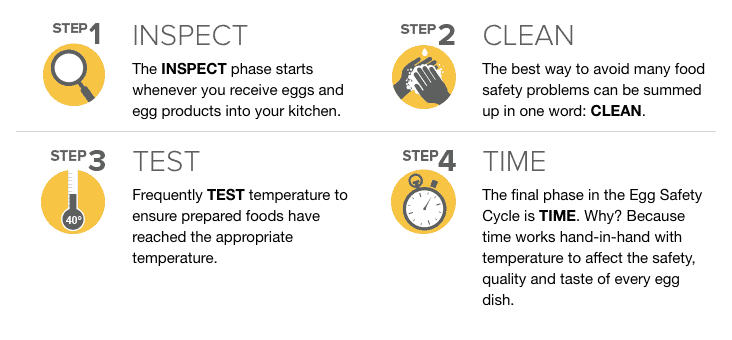
To mitigate these risks, experts recommend storing eggs in the refrigerator at temperatures between 4 and 6 degrees Celsius, as bacteria's ability to multiply decreases under these conditions. It is also advised to avoid exposing eggs to sudden temperature changes after refrigeration, as this can cause moisture to condense on the shell, facilitating the entry of germs into the egg.
Experts emphasize the necessity of cooking eggs thoroughly before consumption, heating them for more than two minutes at a temperature of no less than 70 degrees Celsius, to ensure the elimination of potential pathogens. The risks increase when using raw eggs in certain foods and desserts, such as tiramisu, as this uncooked environment provides suitable conditions for bacterial growth.
Background & Context
According to guidelines, eggs remain consumable for up to 28 days from the date they are laid, with the quality being verifiable through three simple methods. If an egg makes no sound when shaken, it is likely fresh, while a rattling sound indicates it is older. Submerging the egg in water; the higher it floats to the surface, the older it is, and if it completely floats, it is recommended not to consume it.
When breaking the egg, the fresh egg white is thick and cohesive, with a raised yolk, while runniness and flattening indicate a loss of quality. These recommendations confirm that proper handling of eggs, from storage to cooking, remains the most crucial factor in avoiding infections and maintaining food safety.
Impact & Consequences
The risks associated with raw eggs require greater awareness from consumers, especially given the increasing use of eggs in popular foods and desserts. A good understanding of how to check the freshness of eggs can help reduce cases of food poisoning, thereby enhancing overall food safety.
Furthermore, these risks are not limited to Germany but extend to many countries that rely on eggs as a primary food source. Therefore, raising awareness about safe egg handling is essential to protect consumer health.
Regional Significance
In the Arab region, eggs are considered a fundamental ingredient in many traditional dishes. Thus, following guidelines related to the storage and cooking of eggs can contribute to improving public health and reducing health risks. It is important for consumers to be aware of how to check the quality of eggs, especially with the increasing consumption in popular foods.
In conclusion, food safety remains a priority that consumers must pay significant attention to, especially when handling perishable food items like eggs.