Mohamed Nizar Jamaluddin, the head of the Infrastructure, Energy, Water, and Public Transport Committee in Malaysia's Perak state, announced that the water flow from the four main dams in the state remains under control, ensuring local needs are met despite the ongoing heatwave in the region. The four dams, namely the Temenggor Dam, the Bersia Dam, the Chenderoh Dam, and the Kenering Dam, are fully managed by Tenaga Nasional Berhad.
Jamaluddin confirmed that the water flow from these dams exceeds the minimum required level of approximately 120 cubic meters per second. He explained that the government has taken early measures to address the climatic conditions, including mobilizing equipment and machinery from the Department of Irrigation and Drainage (JPS) in case the heatwave persists for an extended period.
Event Details
While some areas in Perak are suffering from high temperatures, with the Malaysian Meteorological Department recording temperatures ranging from 35 to 37 degrees Celsius in 12 regions along the west coast of the Malaysian Peninsula, Jamaluddin assured that the water flow remains sufficient to meet the needs of citizens. Typically, water flow is controlled during the dry season for power generation, but a more flexible approach has been adopted currently as many major agricultural areas have completed their planting season.
Jamaluddin noted that the government is prepared to deploy mobile pumps to water treatment plants in affected areas if the heatwave continues for more than two weeks. This step aims to ensure that water needs are met and that water supplies continue uninterrupted.
Background & Context
Perak is one of the Malaysian states that heavily relies on agriculture and hydropower. With increasing climate changes, heatwaves have become more common, raising concerns among authorities regarding water supplies. Historically, the region has experienced prolonged droughts, affecting agricultural production and sometimes leading to water shortages.
The changing climatic conditions require a swift response from the government as it seeks to balance energy and water needs. In recent years, projects have been implemented to improve water management and storage, enhancing the state's capacity to face climatic challenges.
Impact & Consequences
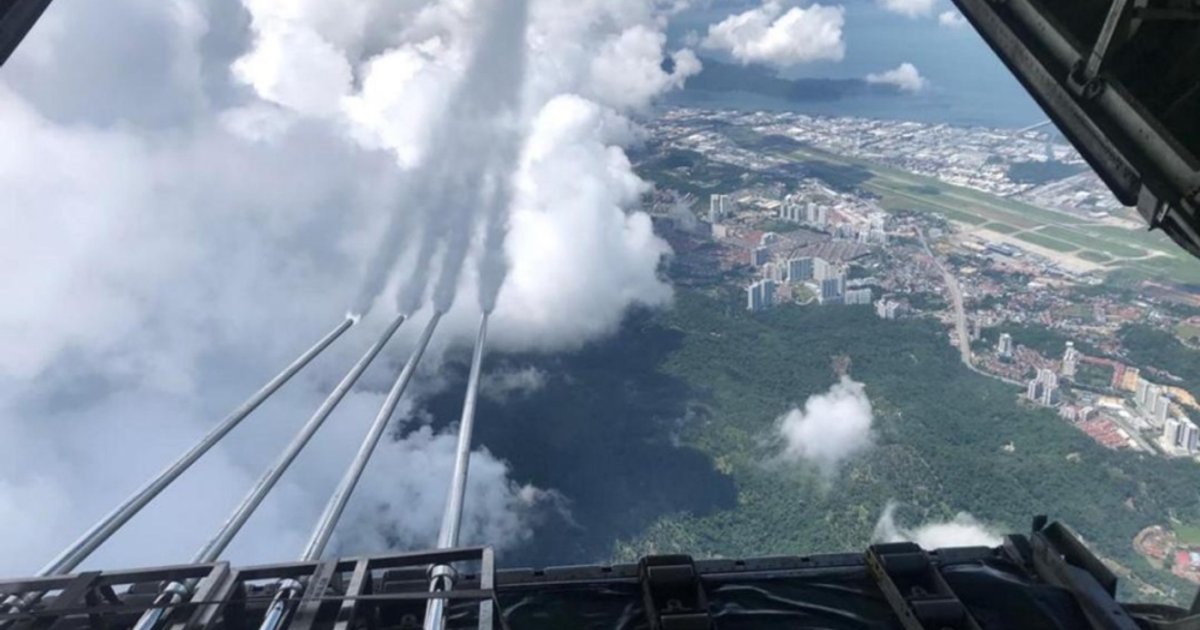
Ongoing heatwaves necessitate an effective response from local authorities, as they can impact agriculture and water supplies. If high temperatures persist for an extended period, this may lead to increased water demand, potentially placing additional pressure on the dams. The use of techniques such as weather modification, including cloud seeding operations, may become essential, but this requires careful study of the terrain and wind conditions.
These measures are crucial to ensure that water supplies in the state are not adversely affected, contributing to the maintenance of social and economic stability. Should these measures fail, the state may face greater challenges in the future.
Regional Significance
Many Arab countries are also facing similar challenges due to climate change, with rising temperatures and decreasing rainfall. Malaysia's experiences in water management and adaptation to climatic conditions could be beneficial for Arab countries suffering from water scarcity. Cooperation among countries in water resource management may positively impact water security in the region.
In conclusion, the situation in Perak serves as an example of how governments are addressing climatic challenges. It is essential to continue efforts to improve water management and plan for adapting to changing climatic conditions.