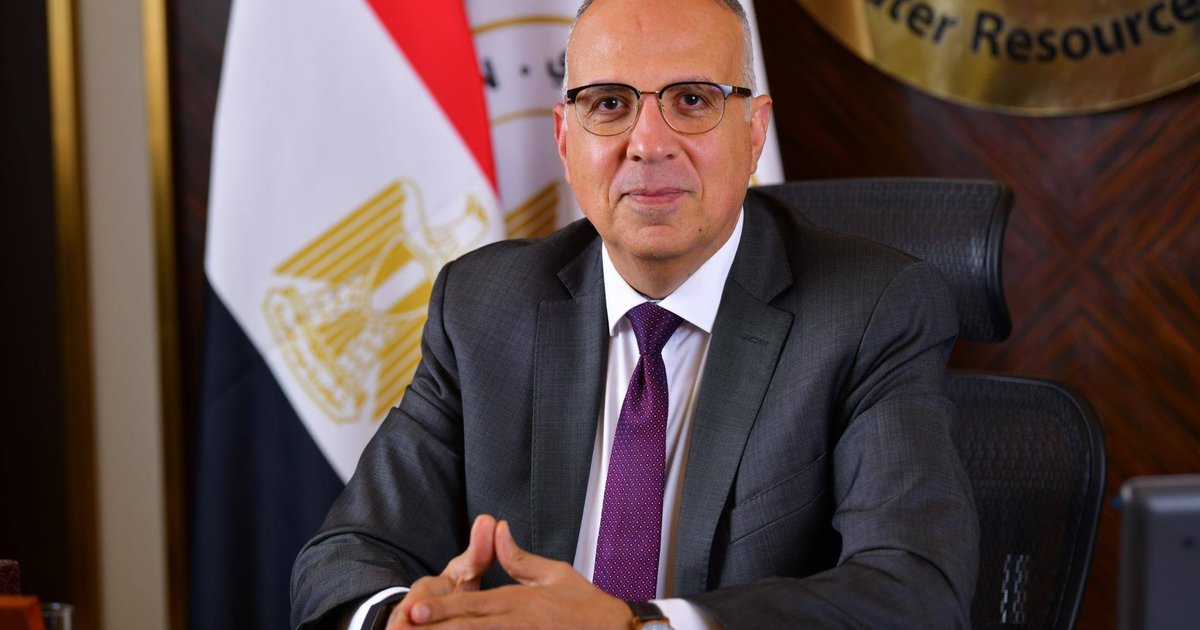
Dr. Hani Sweilem, Minister of Water Resources and Irrigation, emphasized the importance of ensuring the stability of the irrigation network and meeting water needs during the Eid Al-Adha holiday. This came during his review of a report from Engineer Ashraf Darwish, Head of the Irrigation Sector, regarding the water situation in the country.
The report outlined the status of water levels and flows at the main barrages on the Nile River and its branches, in addition to the main irrigation canals. The report indicated that appropriate flows and levels are available to meet current water needs, with the ministry prepared to fulfill any increases in water demand during the holiday, which coincides with a peak period for water needs.
Event Details
The report clarified the ongoing implementation of water balances at the barrages, canals, and main irrigation systems, with water balances being conducted around the clock according to actual withdrawal rates. This ensures stability of levels at drinking water intake points and guarantees the delivery of water to all beneficiaries at the ends of the canals, while maintaining the operational efficiency of the water system without congestion.
As part of the efforts made, field visits by engineers from the Central Administration for Water Affairs and irrigation devices in the governorates have been intensified. The goal is to monitor the implementation of rotations and the irrigation status, ensuring that the required flows and levels are achieved and match telemetry data. Monitoring of the water levels necessary for the efficient operation of pumping stations has also been conducted.
Background & Context
Water resource management is a vital issue in Egypt, where the country's economy heavily relies on the Nile River. With the increasing demand for water due to population growth and agricultural expansion, ensuring the stability of the irrigation network becomes increasingly important. These measures come at a critical time, as Eid Al-Adha coincides with heightened water demand in some areas.
The ministry is taking proactive steps to ensure that there is no water shortage, especially in the most needy areas. Coordination among various ministry agencies is vital to ensure a quick response to any emergencies that may arise during the holiday period.
Impact & Consequences
These efforts underscore the Egyptian government's commitment to providing the necessary water resources to support agriculture and drinking water. In light of climate and environmental challenges, it is essential for the ministry to remain prepared to address any potential water shortages.
These measures also represent a step towards achieving water security in Egypt, reflecting the importance of strategic planning in water resource management. Continued coordination among various sectors contributes to improving water use efficiency.
Regional Significance
Water management is a central issue in many Arab countries, where the region faces increasing challenges in this field. The Egyptian experiences in water resource management could serve as a model for other countries suffering from water scarcity.
These efforts highlight the importance of regional cooperation in water management, where Arab countries can exchange experiences and technologies to enhance water use efficiency. Amid climate changes, it becomes essential for countries to adopt effective strategies to ensure the sustainability of their water resources.
In conclusion, securing water needs during peak periods such as Eid Al-Adha is crucial to ensure the stability of daily life for citizens and support economic activities.