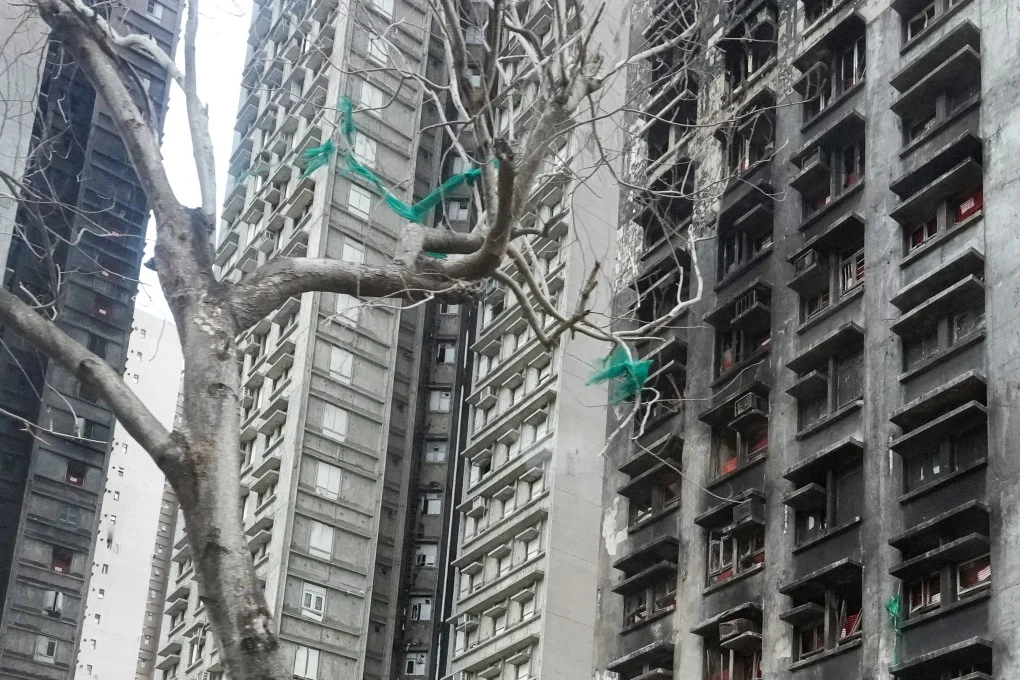
In an incident that raises concerns about public transparency, the 'South China Morning Post' has uncovered errors in the minutes of an official hearing regarding the fire in Hong Kong, which is considered the deadliest in recent decades. These errors relate to vital details such as the number of residents who managed to escape using elevators and the percentage of apartments that suffered severe damage.
This information comes at a sensitive time, as authorities seek to provide satisfactory answers to citizens regarding the circumstances of the fire that claimed many lives and injured others. This issue has sparked calls from academics and experts to enhance transparency by live-streaming upcoming hearings online.
Details of the Incident
The fire, which occurred in the 'Tai Po' area of Hong Kong, resulted in the deaths of several individuals and left others with serious injuries, making it one of the worst disasters in the city's history. A committee was formed to investigate the incident, and an official hearing was held to discuss the circumstances surrounding the fire.
However, a review of the hearing minutes revealed significant errors in the recorded figures, raising questions about the accuracy of the information provided to the public. For instance, an incorrect number was recorded for the residents who used elevators to escape, as well as the percentage of affected apartments, which could impact the public's understanding of the disaster's magnitude.
Context and Background
Historically, Hong Kong has experienced many devastating fires, but the recent incident marks a turning point in how authorities handle such disasters. The incident has raised significant concern among residents regarding the safety of buildings and the available escape routes in emergencies.
Transparency in such investigations is vital, as accurate information can help prevent the recurrence of similar incidents in the future. Some academics have pointed out that live-streaming the hearings could enhance trust between the government and citizens, ensuring that information is accessible to all.
Impact and Consequences
The repercussions of the fire extend beyond Hong Kong, as issues related to transparency and accountability garner global interest. In the information age, citizens expect governments to be more open in their handling of crises. Errors in official minutes could lead to a loss of trust in government institutions, negatively affecting social and political stability.
Furthermore, calls for live-streaming the hearings reflect a global trend towards enhancing government transparency, which could influence how other countries deal with similar crises.
Impact on the Arab Region
In the Arab region, issues of transparency and accountability are hot topics, with many countries suffering from a lack of trust between governments and their citizens. The Hong Kong experience could serve as an important lesson for Arab nations on how to manage crises and disasters by promoting transparency and providing accurate information to the public.
In conclusion, this incident highlights the importance of transparency in crisis management and underscores the need for improved communication mechanisms between governments and citizens to ensure their safety and trust.