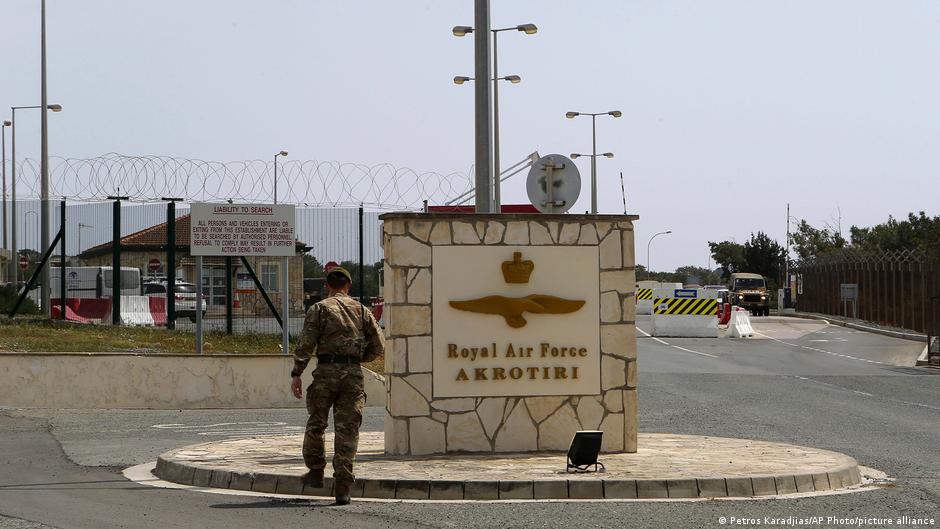
The incident of an Iranian-made drone crashing at the British Akrotiri base in Cyprus, which occurred in early March, has ignited widespread controversy regarding the future of British bases on the island. The incident, believed to be the result of an attack by the Iran-backed Hezbollah group, has led to heightened feelings of anger among local residents who feel that the presence of these bases puts them in the crossfire.
In the aftermath of the incident, many Cypriots expressed concern that Britain's close ties with the United States could increase their vulnerability. One local resident, Panagiotis, stated, "We have been targeted as a nation because of the presence of these bases, so perhaps it is time to reconsider their status." Cypriot President Nikos Christodoulides also indicated that these bases represent "colonial consequences," calling for an open discussion about their future.
Details of the Incident
The roots of the British bases in Cyprus trace back to the 1960 agreement that established the terms of the island's independence from British colonial rule. Britain retains two bases in Cyprus, Akrotiri and Dhekelia, which it considers sovereign territory. However, the recent incident has reopened discussions about these bases, especially in light of increasing tensions in the Middle East.
The incident did not result in any injuries, but it raised widespread concern among the population, as many believe that the presence of British bases endangers them due to regional conflicts. In this context, Christodoulides noted that the bases should be a subject of serious discussion once the current situation in the Middle East stabilizes.
Background & Context
Cyprus's history with British colonialism dates back to the 19th century, when the island was a British colony until its independence in 1960. However, its modern history is fraught with conflicts between Greek and Turkish Cypriot communities, leading to the division of the island in 1974 after the Turkish military intervention. This division remains, with the southern Republic of Cyprus recognized internationally, while the northern Turkish Republic is only recognized by Turkey.
The impact of the British bases on local politics cannot be overlooked, as they are a source of tension among the various communities on the island. The bases are not only a strategic point for Britain but also symbolize colonialism that continues to affect Cypriot relations.
Impact & Consequences
The recent incident may open the door for further discussions regarding the British bases and could lead to changes in Cypriot policy towards foreign military presence. Additionally, the bolstering of European military presence in the region, including the deployment of warships from several European nations, may reflect a shift in security dynamics in the Mediterranean.
Some analysts consider this incident a test of the European Union's ability to function as a military alliance, particularly given Cyprus's non-membership in NATO. However, the presence of Turkish forces in the north may complicate the situation further, raising concerns about a potential escalation of tensions between the two sides.
Regional Significance
The repercussions of this event extend beyond Cyprus, reflecting the current regional tensions in the Middle East. The conflict between Iran and Israel, along with the presence of Western powers in the region, could impact regional security and increase risks for neighboring countries. Furthermore, the situation in Cyprus may serve as a model for the challenges faced by Arab countries in dealing with foreign interventions.
In conclusion, the issue of British bases in Cyprus remains a sensitive topic that requires open dialogue among all concerned parties. As tensions in the region escalate, the future of these bases may have far-reaching implications for security and stability on the island and in the broader region.