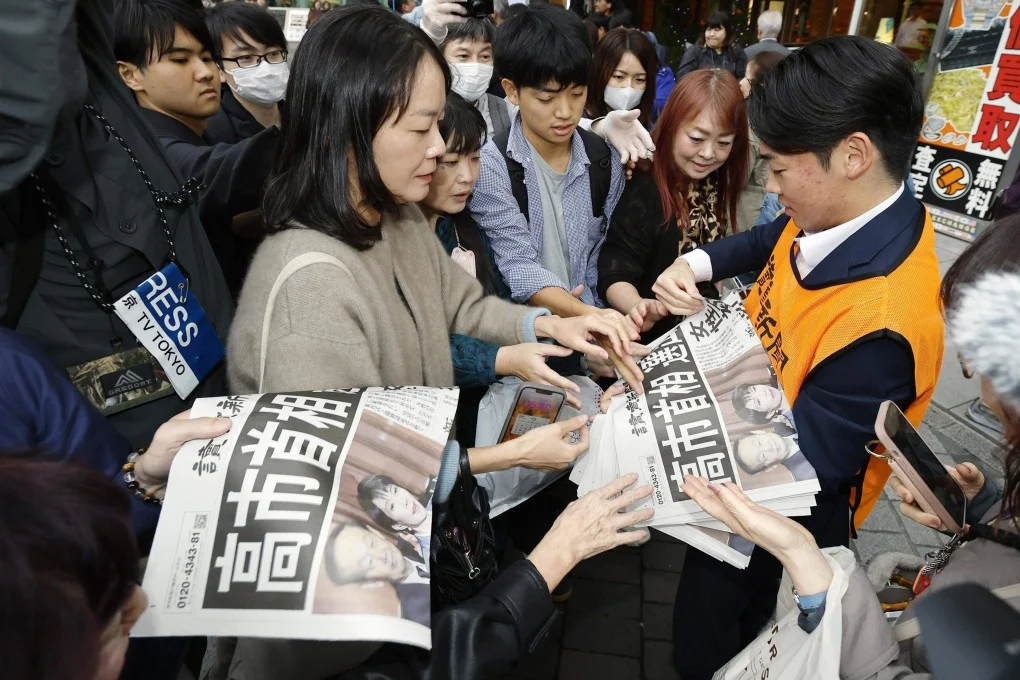
Japan is recognized as one of the most stable democracies in Asia, boasting a developed media sector and constitutional protections for free expression. However, a recent ranking from one of the leading press freedom indicators globally has classified the media environment in the country as a "problem." This classification raises questions about the effectiveness of press freedom in Japan and indicates deep contradictions within the media system.
Analysts and journalists have reported that this ranking reflects a complex reality, where media in Japan does not face direct censorship as seen in authoritarian countries. Nevertheless, political pressures and self-censorship play a significant role in shaping media content, limiting journalists' ability to freely cover sensitive issues.
Details of the Situation
In recent years, Japan has witnessed an increase in political pressures on the media, leading to a decline in freedom of expression. The latest ranking shows that journalists face significant challenges in accessing information, with many refraining from addressing certain topics out of fear of political backlash. This situation raises concerns among human rights advocates, who view press freedom as a cornerstone of democracy.
Several factors have contributed to this situation, including pressures from the government and large corporations. Access to information for journalists is complicated, as many officials prefer not to comment on sensitive issues, hindering the media's ability to perform its watchdog role.
Background & Context
Historically, Japan has been considered a model of democracy in Asia, where the media enjoyed broad freedoms compared to many other countries. However, political and social changes in recent years have led to a decline in these freedoms. The latest ranking indicates that Japan is no longer at the forefront of countries respecting press freedom, raising questions about the future of media in the country.
Reports indicate that self-censorship has become a prominent feature of journalistic work, with many journalists opting to avoid topics that may provoke controversy or elicit negative reactions from the government or corporations. This situation poses a threat to freedom of expression and affects the media's ability to provide accurate and objective information to the public.
Impact & Consequences
Press freedom is a fundamental element of any democratic system, and its decline can lead to serious repercussions for society. When journalists shy away from certain topics, it limits the public's ability to access essential information needed for informed decision-making. Additionally, a decline in press freedom can lead to increased corruption and a lack of transparency in government.
Moreover, the decline of press freedom in Japan may affect the country's image on the international stage. Japan is considered one of the leading countries in human rights, and any regression in freedom of expression could undermine this position and impact international relations.
Regional Significance
Press freedom is an important issue worldwide, including in Arab countries. The situation in Japan demonstrates that political pressures and self-censorship can affect the media even in countries considered democratic. This serves as a lesson for Arab nations striving to enhance freedom of expression, emphasizing the need for mechanisms to protect journalists and ensure their ability to work freely.
In conclusion, the recent ranking of press freedom in Japan shows that the challenges facing the media are not confined to authoritarian countries but can also emerge in stable democracies. The international community must remain vigilant regarding these issues and work to promote freedom of expression globally.