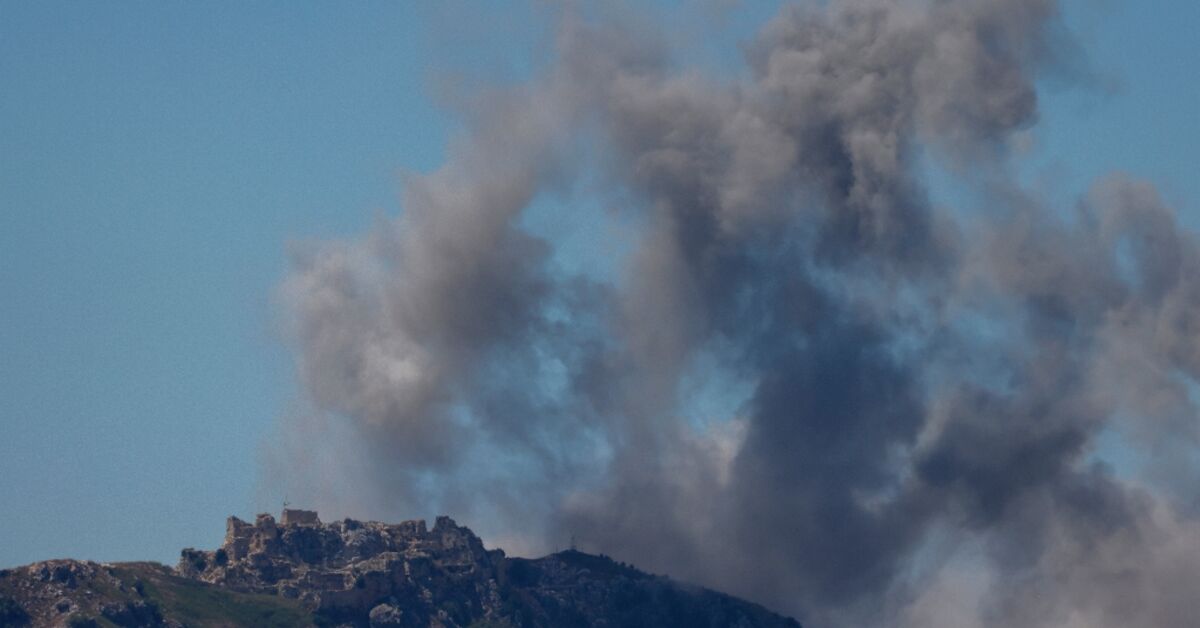
Amid ongoing tensions along the border between Israel and Lebanon, residents of Shlomi, located just 300 meters from the separation wall, are experiencing frustration and a lack of optimism regarding the new ceasefire agreement aimed at ending hostilities with Hezbollah. Sigali Levin, a 60-year-old resident, shares her negative feelings about this agreement, stating, "We cannot continue living in this situation."
Levin lives in Shlomi, one of the Israeli villages that suffer from repeated shelling and security tensions. She adds, "We cannot just take the hits, then turn the other cheek, and then receive more blows," pointing out that this situation is not a life worth living.
Details of the Situation
These statements come at a sensitive time as the involved parties seek to reach an agreement that ensures calm in the region. However, the residents of Shlomi feel that these ceasefires are merely temporary solutions and do not address the root causes of the conflict.
Historically, the region has witnessed numerous conflicts between Israel and Hezbollah, resulting in significant loss of life and property destruction. With each round of fighting, feelings of frustration and fear among local residents increase, as they long for a life of peace and security.
Background & Context
The roots of the conflict between Israel and Hezbollah date back decades, with the region experiencing ongoing tensions due to the Israeli occupation of Lebanon in the 1980s and the subsequent wars that followed. In recent years, the intensity of the conflict has escalated with increased military activities from both sides, exacerbating the humanitarian situation in the area.
Despite international attempts to reach peace agreements, these efforts often encounter political and military obstacles, making it challenging to achieve lasting stability.
Impact & Consequences
These tensions significantly affect the lives of local residents, who live in a constant state of anxiety. Psychological and social pressures on families are increasing, impacting their daily lives. Additionally, the volatile security situation hinders economic and social development in the region.
Furthermore, the ongoing conflict may worsen the humanitarian conditions, as many residents suffer from a lack of basic services such as education and healthcare.
Regional Significance
The situation along the Israeli-Lebanese border represents a part of the larger picture of conflicts in the Middle East. These tensions raise concerns among neighboring Arab countries, as they could lead to greater escalation in the region. The deteriorating humanitarian conditions may also affect relations between Arab countries and Israel, complicating peace efforts in the area.
In conclusion, the residents of Shlomi continue to await radical solutions that guarantee them a normal and safe life, away from the ongoing conflicts.