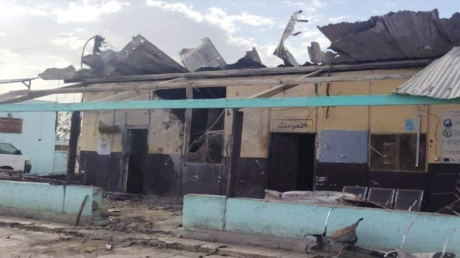
The World Health Organization and UNICEF have issued warnings about the escalating attacks on healthcare facilities in Sudan, which are depriving communities of life-saving care. These attacks, which have noticeably increased recently, come at a time when Sudan is suffering from worsening humanitarian and health crises.
Reports indicate that the assaults on health facilities in Sudan have led to the destruction of numerous hospitals and clinics, negatively impacting the health system's ability to provide essential services. Under these circumstances, patients are facing significant challenges in accessing the necessary treatment and care.
Details of the Attacks
In recent weeks, international organizations have observed a marked increase in armed attacks on health facilities, with hospitals and clinics targeted in various regions of the country. These attacks have not only resulted in property destruction but have also caused injuries among medical staff and patients, further complicating the health situation.
These events coincide with the deteriorating security conditions in Sudan, where the country is experiencing armed conflicts and internal disputes that directly affect civilian lives. The World Health Organization has confirmed that these attacks represent a blatant violation of international humanitarian laws, which prohibit targeting health facilities.
Background & Context
Sudan has been in a state of instability for years, having witnessed revolutions and conflicts that led to the disintegration of the political system and the deterioration of economic conditions. In this context, humanitarian needs have significantly increased, with millions of Sudanese facing severe shortages of food and healthcare.
Health facilities in Sudan are among the most affected, suffering from acute shortages of medicines and medical equipment. As attacks escalate, fears of disease outbreaks rise, threatening the lives of millions of citizens.
Impact & Consequences
The attacks on health facilities directly affect the Sudanese health system's ability to provide basic services. With hospitals and clinics destroyed, patients find themselves forced to seek treatment in distant locations, increasing the risk of their health conditions worsening.
Moreover, these attacks impact medical personnel, as doctors and nurses are put at risk while performing their duties. This situation may lead to the migration of medical staff to other countries in search of safer working environments, exacerbating the healthcare crisis in Sudan.
Regional Significance
The situation in Sudan serves as an indicator of the challenges faced by many Arab countries amid conflicts and disputes. The increasing attacks on health facilities in Sudan could serve as a model for what might happen in other countries experiencing instability.
These conditions require an urgent response from the international community, as Arab and global nations must work together to provide the necessary support to Sudan, whether through humanitarian aid or by pressuring conflicting parties to cease attacks on health facilities.
In conclusion, the escalation of attacks on health facilities in Sudan represents a humanitarian and health crisis that demands urgent attention. International and local efforts must be combined to protect civilians and ensure their access to necessary healthcare.