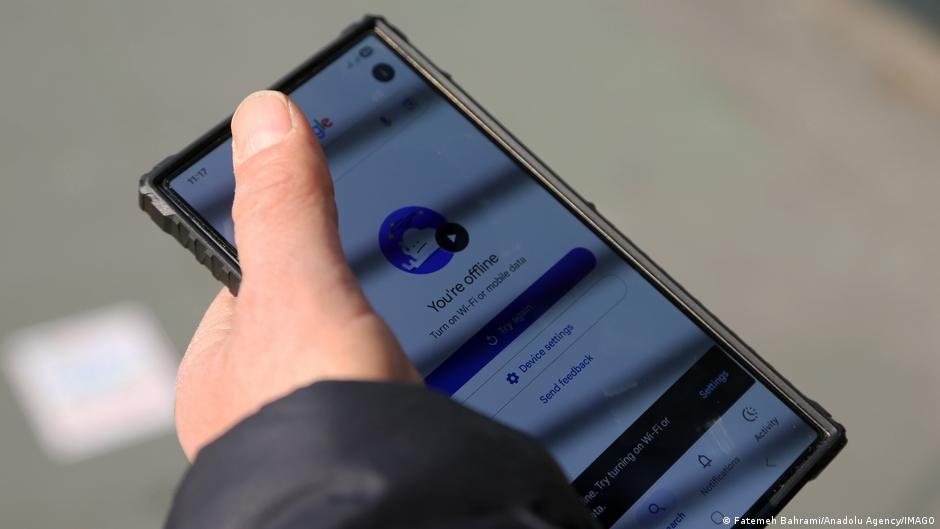
Tehran, the capital of Iran, is engulfed in chaos and anxiety following a surge in Israeli and American airstrikes. Local residents report low-flying fighter jets over the city and massive explosions shaking the ground. Simultaneously, Iranian authorities have imposed a complete internet blackout, heightening the panic and distress among citizens who have lost contact with their families.
On Friday morning, Israeli forces announced they had completed a series of airstrikes targeting what they described as the 'heart of Tehran,' focusing on the infrastructure of the Iranian regime. This comes as former U.S. President Donald Trump has once again threatened to launch attacks on Iranian oil facilities if Tehran does not lift the blockade on the Strait of Hormuz. Thousands of American soldiers have been deployed in the Middle East, raising fears of a potential ground invasion of Iran.
Details of the Event
On Thursday, Iran claimed to have launched missile and drone attacks on targets in Israel and U.S. bases in Gulf countries. Iranian media reported that the country is on the verge of victory over its enemies and ending the war. However, it appears that state media, such as the Islamic Republic of Iran Broadcasting (IRIB), has lost credibility among the public, with a recent poll indicating that the percentage of people relying on these outlets for news has dropped to 12.5% from 51% in 2017.
Despite a 50% increase in the IRIB budget in March 2025, it has failed to regain the trust it once had. Many Iranians now turn to Persian-language media from abroad or social media platforms, such as Instagram, which is used by approximately 24 million people in Iran. Despite the official ban, many use Virtual Private Network (VPN) services to access these platforms.
Background & Context
Since the onset of the war between the United States, Israel, and Iran on February 28, Iranian authorities have reinstated internet blackouts. Even VPN services are only operational with the help of satellite internet providers like Starlink, which is also banned in Iran. However, using these services is often costly, with prices reaching up to ten times the normal rates. According to the Iranian Ministry of Intelligence, hundreds of Starlink systems have been tracked and confiscated across the country.
Internet experts have indicated that security authorities have been able to trace these systems through the signals they send to communicate with satellites. Hundreds of individuals have been arrested in this manner since the war began.
Impact & Consequences
The psychological pressure on Iranian citizens is mounting, as many feel that the internet blackout adds another layer of stress, having lost contact with their loved ones. Numerous residents have expressed that the uncertainty surrounding the situation in the country has become unbearable, further exacerbating their suffering amid the harsh conditions they face.
As attacks intensify, many Iranians remain willing to pay more for access to information, despite the financial difficulties they encounter due to the war and business closures.
Regional Significance
The repercussions of events in Iran extend beyond its borders, affecting regional stability in the Middle East. The escalating tensions between Iran and both the United States and Israel could lead to further escalation of conflicts, threatening security in neighboring countries. Additionally, the internet blackout in Iran may raise concerns among Arab nations that rely on modern technology for communication and media.
In conclusion, the situation in Iran remains tense, with ongoing attacks and internet blackouts increasing public anxiety. What is happening in Tehran is not merely a local conflict but has far-reaching regional implications that could reshape the alliance landscape in the area.