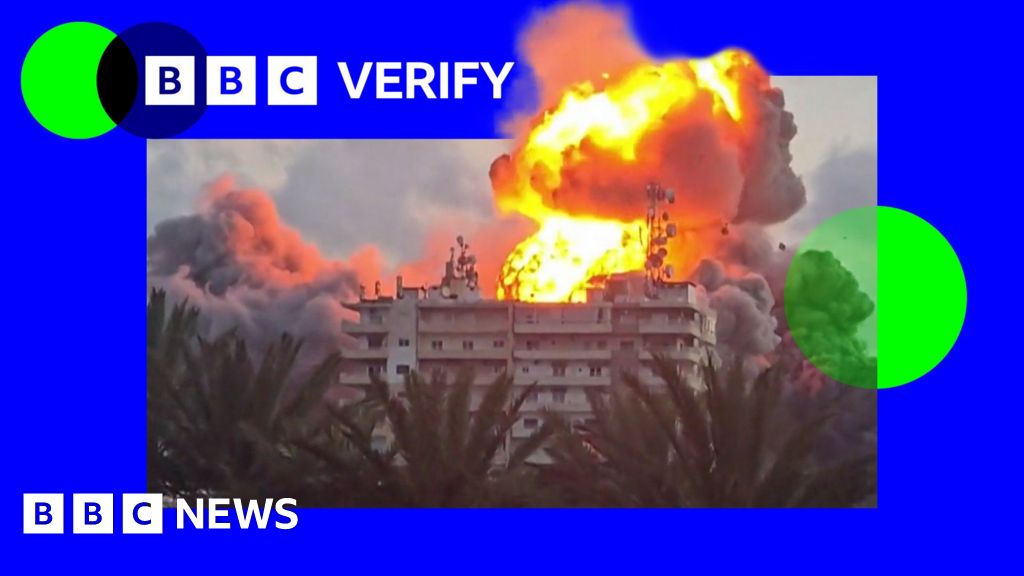
In an unprecedented escalation, Israeli forces have conducted airstrikes on residential areas in southern Lebanon, despite the declared ceasefire. Documented videos show severe damage in densely populated neighborhoods, raising international concerns regarding the humanitarian situation in the region.
These airstrikes come at a sensitive time, as the ceasefire was expected to alleviate tensions between the two sides. However, the Israeli escalation reflects the ongoing conflict and complicates peace efforts in the region.
Details of the Incident
According to local sources, the Israeli airstrikes targeted several areas in southern Lebanon, resulting in civilian casualties and destruction of homes. These strikes have been documented through videos circulated on social media, highlighting the extent of the devastation inflicted on residential areas.
Reports indicate that the airstrikes specifically targeted neighborhoods already suffering from dire humanitarian conditions, exacerbating the plight of local residents. Humanitarian organizations have expressed concern over the situation, calling for the protection of civilians and an end to hostilities.
Background & Context
Historically, Lebanese-Israeli relations have been marked by ongoing tensions, particularly since the 2006 war. These tensions have led to a series of armed conflicts, adversely affecting the humanitarian situation in Lebanon. The recent airstrikes are part of a series of escalations that have occurred in the region in recent years, where political and military dimensions intertwine complexly.
The declared ceasefire aimed to reduce hostilities, but the Israeli escalation reflects the ongoing instability in the region. Additionally, the political situation in Lebanon, which is grappling with economic and political crises, further complicates matters.
Impact & Consequences
The Israeli military escalation in Lebanon may worsen the humanitarian situation, as local populations face significant challenges in accessing essential aid. This escalation could also affect relations between Lebanon and the international community, with expectations that these airstrikes will provoke strong reactions from Arab nations and the global community.
Moreover, the continuation of hostilities could lead to greater escalation in the conflict, threatening regional security and increasing the likelihood of new conflicts erupting. The international community must urgently intervene to halt the escalation and ensure the protection of civilians.
Regional Significance
The events in Lebanon are part of a larger picture concerning security and stability in the Arab region. The Israeli escalation could impact relations between Arab nations and Israel, especially in light of recent normalization attempts by some Arab countries.
Furthermore, the situation in Lebanon could have repercussions for neighboring countries, potentially leading to an influx of refugees and heightened border tensions. Therefore, the situation requires urgent international attention to prevent further deterioration.