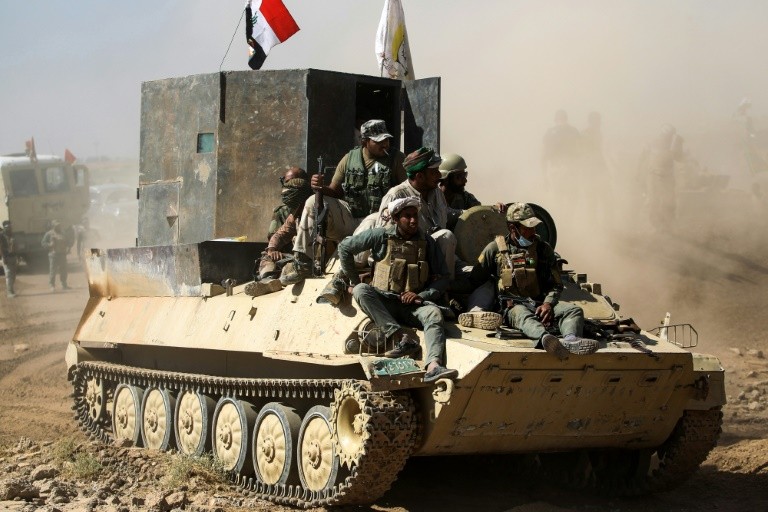
In a serious escalation of security conditions in Iraq, Iraqi Shiite militias, gathering under the banner of Islamic Resistance, have confirmed their entry into an open war alongside Iran following US pressures. This escalation came after US-Israeli airstrikes targeted sites in Iraq, leading to a series of attacks on American and foreign interests.
The attacks, which began on February 28, targeted not only Iraq but also extended to Syria, Jordan, Bahrain, and Kuwait. These military operations indicate a significant escalation in regional conflict, as the militias seek to expand their operations against the American presence in the region.
Details of the Event
Concerns are growing that these attacks could exacerbate the security situation in Iraq, which is already suffering from instability. Reports indicate that Shiite militias have targeted US military bases as well as diplomatic facilities, increasing tensions between Iraq and the United States.
These attacks come at a sensitive time, as the international community seeks peaceful solutions to conflicts in the region. Some Arab countries have expressed concern over the rising violence, which could impact regional security.
Background & Context
Historically, Iraq has witnessed multiple conflicts due to external interventions and internal strife. Since the US invasion of Iraq in 2003, the country has become a battleground for various factions, including Iranian-backed Shiite militias. These factions consider themselves part of the resistance axis against American influence in the region.
In recent years, the power of these militias has increased, allowing them to control vast areas in Iraq, making them a force that cannot be ignored in the political and security equation of the country.
Impact & Consequences
The consequences of these attacks could be severe for Iraq and the entire region. Military escalation may provoke reactions from the United States, potentially leading to greater military intervention. Additionally, these conditions could affect political stability in Iraq, as divisions among different factions may increase.
Moreover, the rise in violence could negatively impact the Iraqi economy, which is already facing significant challenges. Instability may lead to a decline in foreign investments, exacerbating economic conditions.
Regional Significance
Events in Iraq directly affect neighboring countries, as waves of violence could spill over into nations like Jordan and Kuwait. Furthermore, these conditions may lead to increased sectarian tensions in the region, threatening regional security.
In light of these developments, Arab countries must adopt more effective policies to address these challenges and work on enhancing security cooperation among Arab states to confront any potential threats.