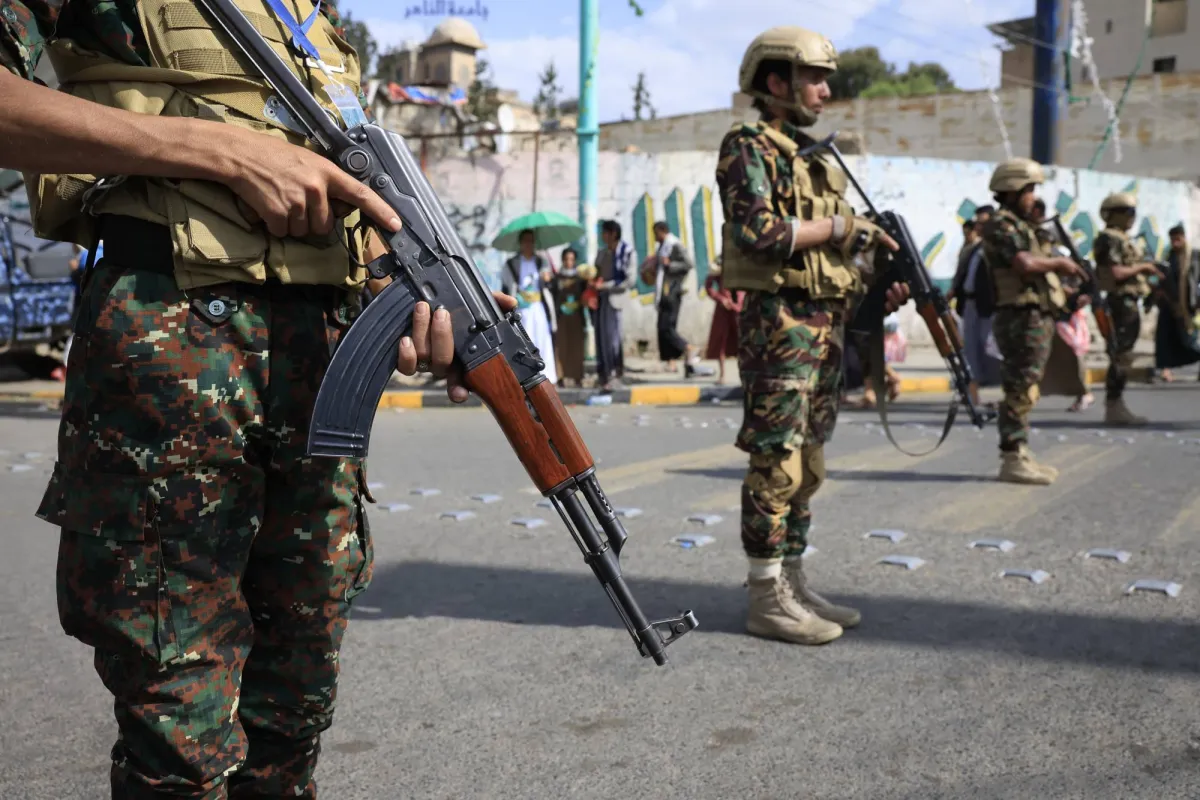
An escalating internal conflict is unfolding in the Yemeni capital, Sana'a, and other cities under Houthi control, as Houthi leaders exchange accusations of corruption and misappropriation of zakat and endowment funds. These developments occur at a time when the country is suffering from a crippling economic crisis, raising fears of worsening humanitarian conditions.
In the context of these conflicts, the so-called Houthi "Endowment Authority" has allocated approximately 250 million Yemeni rials (equivalent to about 470,000 dollars) to mobilize residents in five governorates, including Sana'a and its countryside, with the aim of organizing mass visits to the graves of the deceased and preparing various convoys for fighters on the front lines. These activities are part of the group's efforts to boost morale among its supporters.
Details of the Conflict
Disputes among Houthi leaders erupted following revelations of corruption related to the distribution mechanism of funds allocated for mass visits. Houthi leader Abdul Majid al-Houthi, who heads the Endowment Authority, accused administrative officials of colluding with field supervisors to steal a significant portion of those allocations. On the other hand, the opposing faction launched an attack on the leadership of the authority, accusing it of corruption and mismanagement of resources.
These disputes coincide with the deteriorating living conditions in Yemen, where more than 18 million people are at risk of hunger, according to United Nations reports. The rising prices of essential goods and the decline in job opportunities further complicate the humanitarian crisis.
Background & Context
Historically, the Houthi group has experienced internal conflicts over resources and influence, especially amid declining funding sources. These disputes reflect the challenges the group faces in maintaining its organizational cohesion, as it heavily relies on mobilization activities to enhance loyalty among its supporters.
In recent years, the economic situation in Yemen has significantly worsened, with food prices rising sharply, adversely affecting the purchasing power of the population. Additionally, the suspension of employee salaries has intensified the crisis, making any internal conflict within the Houthi group have serious repercussions on the overall situation in the country.
Impact & Consequences
Estimates suggest that internal disputes may exacerbate corruption within the group, further complicating economic and social conditions. These conflicts could also affect the Houthis' ability to carry out activities that bolster the loyalty of their supporters, potentially leading to a decline in popular support for the group.
Moreover, the continuation of these disputes may open the door to deeper divisions within the group, which could impact its stability in the future. Given the difficult economic conditions, this could exacerbate humanitarian situations in areas under Houthi control.
Regional Significance
The situation in Yemen serves as an indicator of the challenges faced by many Arab countries amid political and economic crises. The internal conflict among the Houthis may have implications for regional stability, especially amid ongoing tensions in the area.
In conclusion, these events highlight the urgent need for international intervention to end the humanitarian crisis in Yemen, as the continuation of internal conflict among the Houthis will only worsen the living conditions for the population, necessitating immediate action from the international community.