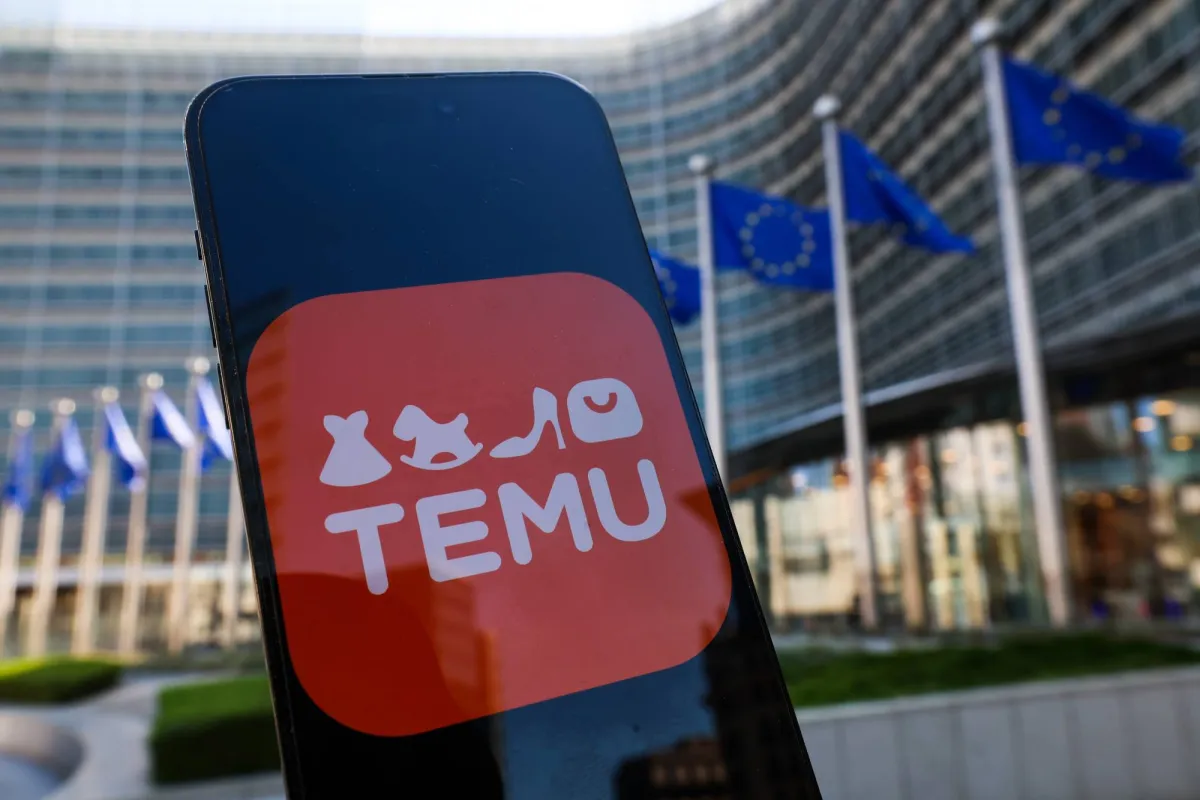
The economic relations between the European Union and China are heading towards a more complex phase, with rising trade and technological tensions between the two sides. Europe aims to reduce its economic dependence on Beijing without reaching a complete rupture, while China attempts to protect its markets and trade influence on the European continent.
In recent days, Brussels has unveiled a new direction to expand its trade defense tools against China, including increased tariffs, import quotas, and regulatory restrictions. These measures target European sectors deemed threatened by Chinese government-supported competition, such as clean technology, metals, chemicals, steel, and electric vehicles.
Details of the Event
Stefan Siegen, the EU Commissioner for Industry, confirmed that the goal is not to "decouple from China" but to achieve a "real balance" in economic relations. He noted that the EU will enhance the use of its trade tools to protect its industries from unfair competition.
These statements come ahead of a special meeting of EU commissioners to discuss the future of relations with China, indicating that Brussels is moving towards a more stringent policy towards Beijing. The trade surpluses between China and Europe have widened in recent years, increasing European concerns about excessive reliance on Chinese imports in strategic sectors.
Background & Context
China has become the largest or second-largest trading partner for most European economies, but this closeness has been accompanied by growing concerns over excessive reliance on Chinese imports. European governments fear that extensive government support for Chinese companies gives them a competitive edge that is difficult for European firms to match, especially in the green industries that Europe is betting on for its economic and environmental transformation.
Despite this, Europe does not seem ready to engage in a comprehensive economic confrontation with China as the United States has done. The EU recognizes that its economy remains deeply linked to the Chinese market, which is why Brussels has adopted a "risk reduction" strategy instead of "decoupling."
Impact & Consequences
Beijing considers the EU's policy as a form of "disguised protectionism," accusing Brussels of "cherry-picking data" to justify claims of trade imbalance. It asserted that European measures harm European consumers and raise costs.
These tensions reflect the reality that the economic relationship between China and Europe has become based on a complex mix of cooperation and competition. Europe needs the Chinese market to maintain its exports, while fearing the loss of part of its industrial base to cheaper Chinese products.
Regional Significance
These economic tensions indirectly affect the Arab region, as China is an important trading partner for many Arab countries. Any escalation in the trade dispute could lead to negative impacts on trade and investments in the region.
Ultimately, it appears that Europe and China are entering a new phase of economic relations, where they must manage a complex balance between cooperation and conflict over interests in a world moving towards further division.