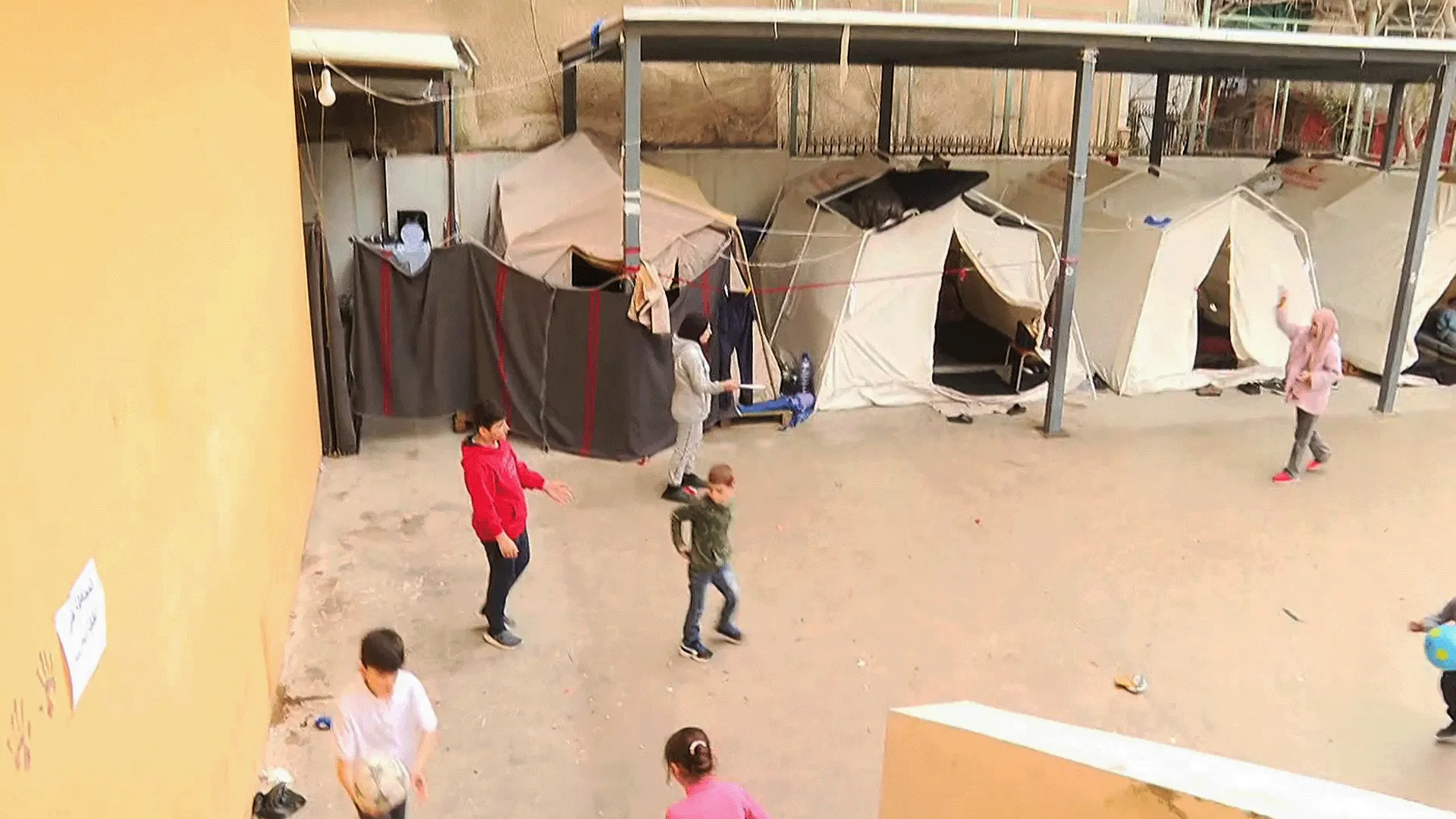
The humanitarian situation for displaced persons in Lebanon is deteriorating, with their numbers surpassing one million, placing increasing pressure on available resources. These displaced individuals live in difficult conditions, whether in shelters or in tents scattered across the streets, raising concerns about their future.
The need for food and living assistance is growing, as many displaced persons depend on civil society efforts and individual initiatives to meet their basic needs. In this context, the importance of cooperation between humanitarian organizations and local governments to provide the necessary support becomes evident.
Details of the Situation
Reports indicate that displaced persons in Lebanon face multiple challenges, including food and water shortages, as well as inadequate healthcare. Additionally, harsh weather conditions exacerbate their suffering, forcing many to live in unsuitable tents.
Some non-governmental organizations are striving to provide assistance, but logistical and funding challenges hinder their efforts. As the number of displaced persons increases, it becomes essential to intensify efforts to meet their growing needs.
Background & Context
The history of displacement in Lebanon dates back to previous periods of conflict, with the country experiencing waves of displacement due to civil wars and regional conflicts. With the outbreak of the current war, the same scenario is repeating, placing an additional burden on the Lebanese community, which is already suffering from economic and social crises.
This humanitarian crisis is part of a larger crisis affecting the region, with the number of displaced persons increasing in countries such as Syria and Iraq. These circumstances require a coordinated response from the international community to address the escalating humanitarian challenges.
Impact & Consequences
The displacement crisis in Lebanon affects the social and economic stability of the country. With increasing pressure on resources, this may exacerbate existing economic and social crises, heightening tensions between local communities and displaced persons.
Moreover, these conditions may impact relations between Lebanon and neighboring countries, as addressing displacement issues requires regional and international cooperation. It is crucial to tackle these crises comprehensively to ensure regional stability.
Regional Significance
The displacement crisis in Lebanon is part of a larger crisis affecting the entire Arab region. With escalating conflicts in countries like Syria and Yemen, many nations face similar challenges related to displacement and asylum.
These conditions necessitate a coordinated response from Arab states and the international community to ensure the necessary assistance is provided to displaced persons, alongside addressing the root causes of conflicts. Cooperation among Arab nations can contribute to improving the humanitarian situation for displaced persons and enhancing stability in the region.
In conclusion, the suffering of displaced persons in Lebanon remains a pressing issue that requires both international and local attention. It is essential to intensify efforts to meet their needs and ensure their human rights, contributing to building a better future for them and the country.