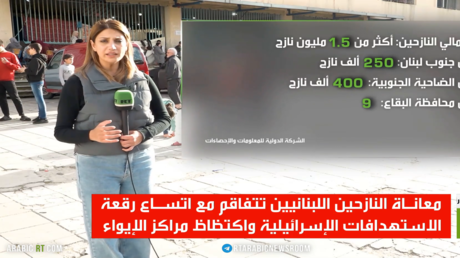
The humanitarian disaster in Lebanon is intensifying unprecedentedly as Israeli airstrikes continue, exacerbating civilian suffering. The current situation demands urgent international response amid the deteriorating humanitarian and economic conditions in the country.
Reports indicate that the Israeli military escalation has resulted in hundreds of civilian casualties, in addition to widespread destruction of infrastructure. Lebanese citizens are living in a state of anxiety and fear, with the need for humanitarian aid increasing daily.
Details of the Incident
In recent days, multiple areas in Lebanon have witnessed intense airstrikes by Israeli warplanes, leading to the destruction of numerous homes and public facilities. Local sources have reported a continuous rise in the number of dead and injured, further exacerbating the suffering of residents who are already grappling with a crippling economic crisis.
These events coincide with rising political tensions in the region, raising fears that these conditions may lead to a larger escalation of the conflict. Many humanitarian organizations have warned that the situation could worsen if immediate actions are not taken.
Background & Context
Historically, Lebanon has suffered from multiple conflicts that have led to the deterioration of humanitarian conditions. Since the outbreak of the Israeli-Lebanese conflict in 2006, tensions between the two sides have not ceased, negatively impacting civilian lives. The current crisis comes at a time when Lebanon is facing severe economic and social crises, with over 70% of the population living in poverty.
This humanitarian crisis is considered one of the worst Lebanon has faced in its modern history, with humanitarian needs rising significantly. International and local organizations are working to provide aid, but logistical and security challenges hinder their efforts.
Impact & Consequences
The humanitarian crisis in Lebanon affects the stability of the entire region. The military escalation may lead to an influx of more refugees into neighboring countries, increasing pressure on those nations. Additionally, the continuation of violence may contribute to worsening political and economic crises in the region.
The humanitarian repercussions also include rising rates of disease and malnutrition, as many suffer from shortages of essential food supplies and healthcare. The situation requires an urgent international response to ensure the necessary aid is provided.
Regional Significance
The humanitarian crisis in Lebanon is not merely a local issue; it has wide-ranging effects on the Arab region. Neighboring countries like Syria and Jordan may face new challenges due to the influx of refugees. Furthermore, the continuation of the conflict could hinder peace and stability efforts in the region.
At the Arab level, the current situation requires greater solidarity from Arab states to help Lebanon overcome this crisis. There must be a collective response from Arab countries and the international community to ensure that necessary aid is provided to affected civilians.